 8 citations
,
November 2021 in “The Journal of Dermatology”
8 citations
,
November 2021 in “The Journal of Dermatology” This review addresses the complexities in trichoscopy terminology and proposes an updated diagnostic flowchart for hair diseases, but it reports no new clinical findings.
50 citations
,
May 2021 in “Frontiers in immunology” This review discusses how tissue resident memory T cells contribute to autoimmune skin diseases like vitiligo and psoriasis, highlighting their role in continuous immune activation, and reports no new clinical results.
 39 citations
,
February 2021 in “Journal of The American Academy of Dermatology”
39 citations
,
February 2021 in “Journal of The American Academy of Dermatology” In this study, low-dose oral minoxidil for hair loss was associated with infrequent systemic adverse effects, and only 1.7% of patients discontinued treatment due to these effects.
 47 citations
,
December 2020 in “Journal of the European Academy of Dermatology and Venereology”
47 citations
,
December 2020 in “Journal of the European Academy of Dermatology and Venereology” This article reviews the classification, diagnosis, and management of hair disorders, emphasizing the role of trichoscopy and early diagnosis for effective treatment but reports no new clinical findings.
 30 citations
,
January 2020 in “Journal of The American Academy of Dermatology”
30 citations
,
January 2020 in “Journal of The American Academy of Dermatology” This review reports no new clinical results but discusses fibrosing alopecia in a pattern distribution as a distinct scarring alopecia with characteristics of both androgenetic alopecia and lichen planopilaris.
 117 citations
,
August 2019 in “Drug Design Development and Therapy”
117 citations
,
August 2019 in “Drug Design Development and Therapy” This review article provides an updated overview of the pharmacology, mechanism of action, clinical efficacy, and adverse events associated with topical minoxidil, a widely used treatment for androgenetic alopecia and other hair loss conditions, while noting that its exact mechanism is still not fully understood.
53 citations
,
June 2019 in “JEADV. Journal of the European Academy of Dermatology and Venereology/Journal of the European Academy of Dermatology and Venereology” This study observed that abnormal hormone levels were associated with lower disease activity in frontal fibrosing alopecia, while thyroid disorders were a common comorbidity among the affected population.
 45 citations
,
April 2019 in “International Immunology”
45 citations
,
April 2019 in “International Immunology” This review discusses the mechanisms behind alopecia areata and primary cicatricial alopecia and reports no new clinical results, aiming to guide the development of targeted treatments.
 37 citations
,
April 2019 in “Journal of The American Academy of Dermatology”
37 citations
,
April 2019 in “Journal of The American Academy of Dermatology” This review assessed the effectiveness of various treatments for frontal fibrosing alopecia and found that intralesional steroids and 5α-reductase inhibitors showed the most positive outcomes in slowing or halting hair loss, though the lack of placebo-controlled studies and consistent outcome measures limits definitive conclusions.
 115 citations
,
March 2019 in “Nature Communications”
115 citations
,
March 2019 in “Nature Communications” This study identified significant genetic associations with frontal fibrosing alopecia at four genomic loci, suggesting it is a genetically predisposed immuno-inflammatory disorder influenced by the HLA-B*07: 02 allele.
 38 citations
,
January 2019 in “International Journal of Women's Dermatology”
38 citations
,
January 2019 in “International Journal of Women's Dermatology” This review discusses potential therapeutic options for frontal fibrosing alopecia by exploring distinct signaling pathways and cellular players, but reports no new clinical findings and emphasizes the need for further trials.
 61 citations
,
January 2019 in “American Journal of Clinical Dermatology”
61 citations
,
January 2019 in “American Journal of Clinical Dermatology” This review discusses the potential causes and treatments for frontal fibrosing alopecia but reports no new clinical findings, highlighting the need for further research to understand its pathogenesis and develop validated treatments.
 32 citations
,
January 2019 in “American Journal of Clinical Dermatology”
32 citations
,
January 2019 in “American Journal of Clinical Dermatology” This review discusses the use of topical minoxidil for various types of alopecia and reports mixed evidence on its efficacy, with stronger support noted for conditions like eyebrow hypotrichosis and chemotherapy-induced alopecia.
 56 citations
,
January 2019 in “Skin appendage disorders”
56 citations
,
January 2019 in “Skin appendage disorders” In this multicenter study, androgenetic alopecia was the most common type of alopecia among both men and women attending specialty hair clinics on four continents.
48 citations
,
November 2018 in “Journal of dermatological treatment” In a study reviewing 291 patients with lichen planopilaris, findings revealed that women were more commonly affected than men, cyclosporine and methotrexate were most effective in achieving remission, and 5-alpha reductase inhibitors and systemic retinoids were particularly beneficial for frontal fibrosing alopecia.
 79 citations
,
September 2018 in “Dermatologic therapy”
79 citations
,
September 2018 in “Dermatologic therapy” This study found that treatment with oral tofacitinib, alone or with other therapies, was associated with clinical improvement in most patients with recalcitrant lichen planopilaris.
 18 citations
,
July 2018 in “Skin appendage disorders”
18 citations
,
July 2018 in “Skin appendage disorders” This review discusses trichoscopic features of hair disorders in individuals with dark skin phototypes and reports no new clinical results; the authors emphasize the need for more specific diagnostic criteria for these populations.
 80 citations
,
April 2018 in “Trends in Molecular Medicine”
80 citations
,
April 2018 in “Trends in Molecular Medicine” This review discusses the roles of interferon-γ and PPAR-γ-mediated signalling in scarring alopecia, suggesting these pathways as potential therapeutic targets, but it reports no new empirical results.
71 citations
,
October 2017 in “Journal of Investigative Dermatology” PPAR-γ agonists like pioglitazone may help manage lichen planopilaris but don't fully reverse scarring.
 41 citations
,
July 2017 in “Journal of The American Academy of Dermatology”
41 citations
,
July 2017 in “Journal of The American Academy of Dermatology” This study observed that frontal fibrosing alopecia also occurs in men, with clinical features and areas of involvement similar to those seen in women, but often affecting sideburns and facial hair.
 95 citations
,
November 2016 in “Journal of The American Academy of Dermatology”
95 citations
,
November 2016 in “Journal of The American Academy of Dermatology” This article reviews primary cicatricial alopecias, focusing on lymphocytic forms such as chronic cutaneous lupus erythematosus, according to a classification by the North American Hair Research Society, and reports no new clinical results.
 243 citations
,
September 2016 in “Dermatology and Therapy”
243 citations
,
September 2016 in “Dermatology and Therapy” This article provides an overview of how dermoscopy can aid in the noninvasive diagnosis of various general dermatological disorders, grouped by clinical presentation, but reports no new clinical results.
62 citations
,
May 2016 in “British journal of dermatology/British journal of dermatology, Supplement”  37 citations
,
May 2016 in “Deutsches Arzteblatt International”
37 citations
,
May 2016 in “Deutsches Arzteblatt International” This review outlines various causes and manifestations of hair loss, highlighting that each type has distinct underlying mechanisms and requires specific treatment approaches, without reporting new clinical results.
 68 citations
,
May 2016 in “Experimental dermatology”
68 citations
,
May 2016 in “Experimental dermatology” This review discusses what is known about the pathobiology of frontal fibrosing alopecia and reports no new clinical findings, highlighting potential environmental and genetic factors in disease pathogenesis.
 15 citations
,
November 2015 in “Journal of Cosmetic Dermatology”
15 citations
,
November 2015 in “Journal of Cosmetic Dermatology” This study reviews existing literature on botanicals for androgenetic alopecia, noting a growing interest and emphasizing research on hair growth stimulants, especially involving green tea and other specific botanicals.
 37 citations
,
October 2015 in “Anais Brasileiros de Dermatologia”
37 citations
,
October 2015 in “Anais Brasileiros de Dermatologia” This study found diverse clinical presentations of lichen planopilaris, with classic lichen planopilaris being the most common, highlighting the importance of recognizing this variability for accurate diagnosis.
 16 citations
,
June 2015 in “Seminars in Cutaneous Medicine and Surgery”
16 citations
,
June 2015 in “Seminars in Cutaneous Medicine and Surgery” This article discusses the challenges of diagnosing and managing hair disorders in patients with skin of color, especially conditions more prevalent in those of African descent, and provides no new clinical results.
58 citations
,
January 2015 in “Journal of the American Academy of Dermatology” Pioglitazone may help treat lichen planopilaris, but more research is needed.
 46 citations
,
January 2015 in “Journal of The American Academy of Dermatology”
46 citations
,
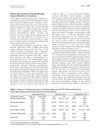
January 2015 in “Journal of The American Academy of Dermatology” This study suggests that trichoscopic features, such as perifollicular erythema and cicatricial white patches, are independently associated with pruritus and the severity of frontal fibrosing alopecia.
12 citations
,
January 2015 in “Skin appendage disorders” This article illustrates that dermoscopy can quickly diagnose hair breakage due to intrinsic and chemical factors in patients of African descent, although published findings are limited.
 86 citations
,
August 2014 in “Journal of The American Academy of Dermatology”
86 citations
,
August 2014 in “Journal of The American Academy of Dermatology” This article discusses the history taking and clinical examination process for diagnosing alopecia and outlines a diagnostic approach, noting that it reports no new clinical results.
 69 citations
,
August 2014 in “Journal of The American Academy of Dermatology”
69 citations
,
August 2014 in “Journal of The American Academy of Dermatology” This review discusses recent advances in trichoscopy for differentiating types of alopecia and presents a systematic approach for using its diagnostic findings, but reports no new clinical results.
 47 citations
,
June 2014 in “Journal of Dermatological Treatment”
47 citations
,
June 2014 in “Journal of Dermatological Treatment” This retrospective review found that while intralesional corticosteroids provided symptomatic improvement for lichen planopilaris, hydroxychloroquine with topical corticosteroids led to higher remission rates but did not result in visible hair regrowth.
 102 citations
,
April 2014 in “International Journal of Dermatology”
102 citations
,
April 2014 in “International Journal of Dermatology” This study found that early intervention and treatment with intralesional triamcinolone acetonide may stabilize hairline recession in patients with frontal fibrosing alopecia, although further research is needed for definitive treatment guidelines.
 16 citations
,
April 2014 in “Dermatologic Clinics”
16 citations
,
April 2014 in “Dermatologic Clinics” Dermatoscopy helps diagnose hair and scalp disorders in people with Afro-textured hair, but more research is needed for better understanding and treatment.
 339 citations
,
February 2014 in “Journal of The American Academy of Dermatology”
339 citations
,
February 2014 in “Journal of The American Academy of Dermatology” This study found that eyelash loss, facial papules, and body hair involvement were linked to severe frontal fibrosing alopecia, and antiandrogens were the most effective treatment.
220 citations
,
June 2013 in “The Journal of Pathology” This study found that immune privilege collapse in the hair follicle bulge and associated immune responses may contribute significantly to the pathogenesis of lichen planopilaris, suggesting a potential autoimmune basis for the disease.
 48 citations
,
May 2013 in “Canadian Medical Association Journal”
48 citations
,
May 2013 in “Canadian Medical Association Journal” This article discusses common causes of hair loss, specifically androgenetic alopecia and alopecia areata, but reports no new clinical findings.
45 citations
,
April 2013 in “Dermatologic surgery” Hair transplantation might work for some people with frontal fibrosing alopecia, but more research is needed.
 117 citations
,
March 2013 in “Journal of the European Academy of Dermatology and Venereology”
117 citations
,
March 2013 in “Journal of the European Academy of Dermatology and Venereology” This study reported that while no effective treatment exists for frontal fibrosing alopecia, oral 5-alpha-reductase inhibitors showed the most promise, inducing a good clinical response in 45% of patients.
 46 citations
,
March 2013 in “Journal of Cosmetic and Laser Therapy”
46 citations
,
March 2013 in “Journal of Cosmetic and Laser Therapy” This study found that non-ablative and/or ablative fractional lasers promoted hair growth in patients with certain uncommon hair disorders, though effectiveness varied among different conditions.
 98 citations
,
January 2013 in “Journal of The American Academy of Dermatology”
98 citations
,
January 2013 in “Journal of The American Academy of Dermatology” This study reported that while various treatments for frontal fibrosing alopecia showed limited effectiveness, dutasteride most effectively stabilized the condition among patients at Duke University.
 86 citations
,
July 2012 in “British journal of dermatology/British journal of dermatology, Supplement”
86 citations
,
July 2012 in “British journal of dermatology/British journal of dermatology, Supplement” This report suggests a causal connection between hyaluronic acid filler injections and the development of xanthelasma, possibly through an inflammatory reaction that increases vascular permeability and LDL leakage.
 166 citations
,
April 2012 in “Journal of The American Academy of Dermatology”
166 citations
,
April 2012 in “Journal of The American Academy of Dermatology” This study reviewed clinical data from 60 patients with frontal fibrosing alopecia and found increasing prevalence and generally poor response to treatment, with the cause remaining unclear.
 62 citations
,
March 2012 in “Journal of the European Academy of Dermatology and Venereology”
62 citations
,
March 2012 in “Journal of the European Academy of Dermatology and Venereology” This study found that dermoscopy-guided scalp biopsies provided a definitive pathological diagnosis in 95% of patients with cicatricial alopecia.
 245 citations
,
March 2012 in “Journal of The American Academy of Dermatology”
245 citations
,
March 2012 in “Journal of The American Academy of Dermatology” This review discusses the dermoscopic features of common hair and scalp disorders and reports no new clinical results, aiming to assist dermatologists in diagnosing conditions like tinea capitis and alopecia areata.
 44 citations
,
November 2011 in “The Journal of Dermatology”
44 citations
,
November 2011 in “The Journal of Dermatology” This review discusses recent advancements in the management and diagnosis of primary cicatricial alopecias but reports no new clinical results; emerging insights suggest sebaceous gland dysfunction may play a role in their etiopathogenesis.
 44 citations
,
January 2011 in “Journal of Cutaneous Pathology”
44 citations
,
January 2011 in “Journal of Cutaneous Pathology” This study introduces the "HoVert" technique, which generates both vertical and horizontal sections from a single biopsy to effectively differentiate lichen planopilaris from discoid lupus erythematosus in alopecia cases.
159 citations
,
August 2010 in “British journal of dermatology/British journal of dermatology, Supplement” In this study, hydroxychloroquine significantly reduced signs and symptoms of frontal fibrosing alopecia after 6 months of treatment, with maximal benefits observed within the first 6 months.
 66 citations
,
January 2010 in “Journal of The American Academy of Dermatology”
66 citations
,
January 2010 in “Journal of The American Academy of Dermatology” This study reported that mycophenolate mofetil was effective in reducing signs and symptoms of active lichen planopilaris in 83% of patients who had failed multiple prior treatments.
 170 citations
,
December 2009 in “Histopathology”
170 citations
,
December 2009 in “Histopathology” This review discusses the histopathological diagnosis of scarring and non-scarring alopecias, emphasizing the importance of adequate tissue sampling and clinical information; it reports no new empirical results.
 105 citations
,
December 2009 in “Archives of dermatology”
105 citations
,
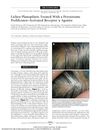
December 2009 in “Archives of dermatology” This overview discusses primary cicatricial alopecias, focusing on lichen planopilaris, and highlights the challenges in treatment and the progressive nature of hair loss despite symptom management, without providing new clinical results.
 64 citations
,
June 2009 in “Journal of The American Academy of Dermatology”
64 citations
,
June 2009 in “Journal of The American Academy of Dermatology” This article discusses frontal fibrosing alopecia, noting potential connections to lichen planopilaris, but reports no new clinical findings.
43 citations
,
March 2009 in “Archives of dermatology” No treatment showed clear superiority for lichen planopilaris.
 160 citations
,
March 2009 in “Seminars in Cutaneous Medicine and Surgery”
160 citations
,
March 2009 in “Seminars in Cutaneous Medicine and Surgery” This article reviews lichen planopilaris, its presentation, and treatment challenges, and emphasizes the need for more research into its pathogenesis and therapy efficacy; it reports no new findings.
 155 citations
,
September 2008 in “British journal of dermatology/British journal of dermatology, Supplement”
155 citations
,
September 2008 in “British journal of dermatology/British journal of dermatology, Supplement” This study observed that frontal fibrosing alopecia predominantly affects postmenopausal women, can be associated with lichen planus, and may lead to progressive hairline recession, though this progression is not consistent in all cases.
 69 citations
,
August 2008 in “Journal of The European Academy of Dermatology and Venereology”
69 citations
,
August 2008 in “Journal of The European Academy of Dermatology and Venereology” Oral dutasteride and topical pimecrolimus can safely and effectively treat Frontal Fibrosing Alopecia, leading to significant hair regrowth.
74 citations
,
July 2008 in “Dermatologic therapy” This review discusses histopathologic findings in diagnosing primary cicatricial alopecias and emphasizes the importance of correlating histology with clinical presentation for accurate diagnosis; it reports no new results.
 90 citations
,
July 2008 in “Dermatologic therapy”
90 citations
,
July 2008 in “Dermatologic therapy” This article reviews lichen planopilaris, a chronic scarring alopecia, and explores recent treatment developments, but it reports no new clinical results.
 76 citations
,
June 2008 in “Journal of the American Academy of Dermatology”
76 citations
,
June 2008 in “Journal of the American Academy of Dermatology” In this study, key histologic features such as mucinous perifollicular fibroplasia were identified to aid in the diagnosis of lichen planopilaris.
 98 citations
,
May 2008 in “British Journal of Dermatology”
98 citations
,
May 2008 in “British Journal of Dermatology” This review discusses evidence-based guidance for managing primary cicatricial alopecias but reports no new clinical results, highlighting significant gaps in knowledge and the need for more quality trials.
113 citations
,
May 2007 in “Journal of the American Academy of Dermatology” This study suggests that tetracycline may be more effective for treating lichen planopilaris than previously thought, alongside topical high-potency and intralesional corticosteroids.
 90 citations
,
June 2006 in “The American Journal of Dermatopathology”
90 citations
,
June 2006 in “The American Journal of Dermatopathology” This review outlines the classification, histopathologic presentation, and pathogenetic concepts of scarring and nonscarring alopecias, reporting no new clinical results and emphasizing the need for clinicopathologic correlation.
 126 citations
,
April 2006 in “International Journal of Dermatology”
126 citations
,
April 2006 in “International Journal of Dermatology” This study found that frontal fibrosing alopecia and lichen planopilaris have similar histopathological features, but FFA exhibits more prominent apoptosis and less inflammation with spared interfollicular epidermis.
 123 citations
,
August 2005 in “Journal of the European Academy of Dermatology and Venereology”
123 citations
,
August 2005 in “Journal of the European Academy of Dermatology and Venereology” In this study, the researchers observed that treatment with intralesional and topical corticosteroids, finasteride, and minoxidil may stop the progression of frontal fibrosing alopecia in postmenopausal and premenopausal women.
 64 citations
,
January 2005 in “International Journal of Dermatology”
64 citations
,
January 2005 in “International Journal of Dermatology” This report discusses cases of frontal fibrosing alopecia developing after hair transplantation for androgenetic alopecia, without presenting new clinical findings.
 179 citations
,
December 2004 in “Journal of The American Academy of Dermatology”
179 citations
,
December 2004 in “Journal of The American Academy of Dermatology” This study observed that frontal fibrosing alopecia in postmenopausal women involves selective follicular inflammation, and finasteride treatment may slow disease progression, suggesting a potential androgen-related component.
254 citations
,
December 2003 in “Journal of the American Academy of Dermatology” This study reviewed the epidemiology and treatment of inflammatory cicatricial alopecias and highlighted the importance of scalp biopsies for accurate diagnosis in a mixed ethnic population at a university hair clinic.
 80 citations
,
March 2000 in “Journal of cutaneous pathology”
80 citations
,
March 2000 in “Journal of cutaneous pathology” This study found that the Verhoeff-Van Gieson stain effectively distinguishes scarred from non-scarred dermis and aids in classifying types of permanent alopecia based on elastic tissue patterns.
 158 citations
,
February 2000 in “Archives of dermatology”
158 citations
,
February 2000 in “Archives of dermatology” This study reports that some patients with androgenetic alopecia may also exhibit clinical and histological features of inflammation and fibrosis, similar to those found in lichen planopilaris.
 329 citations
,
January 1997 in “Journal of the American Academy of Dermatology”
329 citations
,
January 1997 in “Journal of the American Academy of Dermatology” This study reports that progressive frontal fibrosing alopecia, a distinct and gradually stabilizing form of lichen planopilaris affecting elderly women and often involving eyebrow hair loss, lacks effective treatments.
332 citations
,
June 1994 in “Archives of Dermatology” This study found that progressive frontal hairline recession in postmenopausal women may exhibit features similar to fibrosing alopecia, with histologic similarities to lichen planopilaris but lacking lesions of lichen planus.