The Worst Hair Loss Condition You (MAY) have: LPP 8/31/2024
Lichen Planopilaris (LPP) is an autoimmune condition causing permanent hair loss and fibrosis, often misdiagnosed. Treatments include pioglitazone, topical corticosteroids, anti-inflammatory medication, and Jak inhibitors.
View this post in the Community →
Similar Community Posts Join
5 / 5 results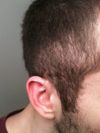
community If You Have DUPA, PLEASE READ THIS: Everyone Should Be Scalp Biopsied
Scalp biopsies are crucial for diagnosing hair loss conditions like Diffuse Unpatterned Alopecia (DUPA) and retrograde hair loss, as treatments like finasteride and dutasteride may not be effective if other conditions are present. Combining PPAR-GAMMA agonists with retinoids could improve treatments for conditions like Lichen Planopilaris.
community DUPA/Retrograde might not be DHT based...GET A BIOPSY QUICK or permanent Hair Loss!
DUPA and retrograde alopecia may not be solely DHT-based, and a biopsy is crucial for accurate diagnosis and treatment. Treatments mentioned include dutasteride, oral minoxidil, pioglitazone, clobetasol, calcipotriol, ketoconazole, and doxycycline, depending on the specific condition.
community Dutasteride Isn't Working? Get a Scalp Biopsy NOW
Dutasteride may not be effective for everyone due to underlying issues, suggesting scalp biopsies for further diagnosis. Users discuss using higher doses of dutasteride, topical treatments, minoxidil, and pyrilutamide for hair loss management.
community Losing Hair on Dutasteride? You might have LPP
Men with hair loss might have lichen planopilaris (LPP), which can mimic androgenetic alopecia, leading to misdiagnosis and ineffective treatment with finasteride or dutasteride. Proper diagnosis, including biopsies, is crucial to distinguish between androgenetic alopecia and conditions like LPP.
community Hair Loss & Lipids: Why you have sebderm, folliculitis, LPP, inflammation, etc...
Excess sebum rich in cholesterol and triglycerides can lead to hair loss through inflammation, with treatments like Ciclopirox shampoo, Benzoyl Peroxide shampoo, and Clindamycin gel recommended for managing conditions like seborrheic dermatitis and folliculitis. Pioglitazone is suggested for Lichen Planopilaris, while Omega-3s and reducing processed foods may improve sebum quality, though genetic factors play a significant role.
Related Research
6 / 6 results
research Lichen Planopilaris and Frontal Fibrosing Alopecia as Model Epithelial Stem Cell Diseases
This review discusses the roles of interferon-γ and PPAR-γ-mediated signalling in scarring alopecia, suggesting these pathways as potential therapeutic targets, but it reports no new empirical results.
research It is not invisible! A case report of 2 patients with scalp Lichen Planopilaris mimicking Androgenic Alopecia
This case report highlights that dermatoscopy and histopathological analysis were crucial for accurately diagnosing Lichen Planopilaris in two patients, leading to a correct diagnosis after initial misdiagnoses.
research Cicatricial (Scarring) Alopecias
Scarring alopecias are complex hair loss disorders that require early treatment to prevent permanent hair loss.
research PPAR-γ Agonists and Their Role in Primary Cicatricial Alopecia
This review discusses the role of PPAR-γ in the pathogenesis of primary cicatricial alopecia, including its involvement in lichen planopilaris and treatment trials using PPAR-agonists, and reports no new clinical results.
research A New Subtype of Lichen Planopilaris Affecting Vellus Hairs and Clinically Mimicking Androgenetic Alopecia
This study identified a new subtype of lichen planopilaris that mimics androgenetic alopecia, selectively affecting vellus hair follicles and presenting unique histopathological features.
research Imposters of Androgenetic Alopecia
This article reviews nonscarring and scarring hair loss conditions that may mimic androgenetic alopecia, reporting no new clinical results and highlighting the need for accurate diagnosis in hair restoration surgery.