January 2025 in “Stem Cells International” This study found that exosomes from human umbilical cord mesenchymal stem cells reduced oxidative stress and inflammation in UVB-induced skin injury in cell and mouse models, suggesting their potential for treating UV-damaged skin by influencing Nrf2 and NF-κB pathways.
1 citations
,
December 2025 in “Stem Cell Research & Therapy” This study found that hucMSC-EXOs delivered via intratympanic injection effectively target vestibular sensory tissues, significantly reducing gentamicin-induced balance issues and high-frequency hearing loss, with some measured outcomes surpassing those achieved with dexamethasone.
 July 2025 in “The FASEB Journal”
 This study reported that exosomes derived from human amniotic mesenchymal stem cells (hAMSC-exo) accelerated hair growth in androgenetic alopecia mice by enhancing signals between hair follicle cells and improving cellular environments, particularly protecting against dihydrotestosterone-induced damage via Wnt/β-catenin signaling.
July 2024 in “Acta Histochemica” This study investigates the potential of umbilical cord mesenchymal stem cells exosome (UCMSC-Exos) to promote hair growth, focusing on its mechanisms of action, though specific results are not reported.
13 citations
,
December 2021 in “Journal of Cellular and Molecular Medicine” This case report observed that treatment with human placental mesenchymal stromal cell-derived exosome-enriched extracellular vesicles may improve symptoms of chronic cutaneous graft-versus-host disease, including hyperpigmentation and skin ulcers, in a patient resistant to conventional therapies.
 January 2026 in “Open Life Sciences”
 This study found that exosomes derived from human amniotic mesenchymal stem cells enhanced stem cell proliferation and structural restoration in irradiated salivary glands of rats, with significant improvements observed by day 7, suggesting activation of the Wnt signaling pathway.
 47 citations
,
February 2021 in “Pharmacological research”
47 citations
,
February 2021 in “Pharmacological research” This review discusses the potential of endogenic and exogenous exosomes in dermatology and cutaneous aesthetics, highlighting their capacity to repair and rejuvenate skin tissue, but reports no new experimental results.
 4 citations
,
February 2021 in “Nano select”
4 citations
,
February 2021 in “Nano select” This review discusses the role and therapeutic potential of mesenchymal cell-derived exosomes in organ development and disease treatment, highlighting their application in cell-free therapeutic strategies and current challenges faced in their use.
 1 citations
,
January 2024 in “Theranostics”
1 citations
,
January 2024 in “Theranostics” This source reviews the role of exosomes in regenerative medicine, highlighting their ability to mediate cell communication and transport biomolecules to enhance or impair biological functions, with potential applications in tissue repair and regeneration.
 March 2026 in “Plastic and Aesthetic Research”
 This review highlights that exosomes from adipose-derived stem cells, particularly those enriched with circ-Ash1l, can inhibit ferroptosis and reduce UVB-induced skin aging by delivering GPX4-promoting signals to damaged cells, thus offering a potential regenerative therapy for photoaged skin.
 January 2024 in “Theranostics”
 This study found that hypoxia-preconditioned HF-MSC-derived exosomes improved therapeutic outcomes in models of ulcerative colitis, potentially through miR-214-3p-mediated pathways affecting mitochondrial function and inflammatory responses.
 January 2018 in “Stem cells in clinical applications”
 This review discusses the potential of exosomes and the secretome in stem cell-based regenerative therapies but reports no new experimental findings.
 13 citations
,
February 2023 in “Aging”
13 citations
,
February 2023 in “Aging” This study found that exosomes from hair follicle mesenchymal stem cells overexpressing lncRNA H19 promoted diabetic skin wound healing by enhancing cell proliferation, migration, and reducing pyroptosis.
 135 citations
,
December 2015 in “Expert Opinion on Biological Therapy”
135 citations
,
December 2015 in “Expert Opinion on Biological Therapy” This review synthesizes recent research on exosomes, highlighting their role as key modulators in regenerative outcomes and suggesting they may offer advantages over stem cell-based therapies in process and regulation.
 72 citations
,
January 2023 in “International Journal of Biological Sciences”
72 citations
,
January 2023 in “International Journal of Biological Sciences” This review discusses recent advances in the therapeutic potential of exosomes for wound healing, highlighting their benefits and challenges but reports no new clinical results.
 15 citations
,
January 2018 in “Biomedical Reports”
15 citations
,
January 2018 in “Biomedical Reports” This review discusses multiple pathways through which exosomes may regulate skin functions and diseases like melanoma, scleroderma, and pigmentation disorders, without providing new clinical results; future therapeutic strategies are suggested.
 1 citations
,
October 2025 in “International Journal of Nanomedicine”
1 citations
,
October 2025 in “International Journal of Nanomedicine” This review explores the potential for using exosomes in treating autoimmune skin diseases and promoting skin regeneration, highlighting current applications, delivery methods, and ongoing clinical trials while also identifying challenges and future research directions within dermatology.
 November 2024 in “Journal of Translational Internal Medicine”
 This study found that umbilical cord mesenchymal stem cell-derived exosomes improved hair growth in mice with androgenetic alopecia by promoting hair follicle stem cell stemness through the RAS/ERK pathway, suggesting a potential new treatment strategy for this condition.

This narrative review highlights the potential of exosomes in regenerative and aesthetic dermatology, particularly in India, but emphasizes that their clinical use is still investigational due to limited and diverse study data, insufficient long-term safety information, and regulatory challenges.
 1 citations
,
October 2025 in “Nano Research”
1 citations
,
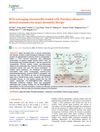
October 2025 in “Nano Research” In this study, researchers developed a dissolvable microneedle patch combining HA-TEMPO and Portulaca oleracea L.-derived nanoparticles, which effectively reduced oxidative stress and inflammation in an atopic dermatitis model while restoring immune balance, suggesting a promising treatment strategy.
 November 2025 in “Eurasian journal of applied biotechnology”
 This study found that 15 clinical trials have been registered to investigate the use of mesenchymal stem cell-derived exosomes for treating skin and subcutaneous tissue diseases, particularly alopecia, with a growing global interest and most trials conducted in the United States and China.
1 citations
,
January 2022 in “Oxidative Medicine and Cellular Longevity” This study found that hair follicle-derived mesenchymal stem cells can alleviate pyroptosis and improve ulcerative colitis symptoms in mice, suggesting potential new treatments for the condition.
 August 2025 in “Stem Cell Research & Therapy”
 This study found that exosomes from human umbilical cord mesenchymal stem cells significantly promoted hair follicle growth and enhanced the transition to the growth phase in a model of androgenetic alopecia, by enriching specific microRNAs that activate key pathways involved in hair regeneration.
10 citations
,
January 2024 in “Burns & Trauma” This meta-analysis found that ADSC-Exo therapy can enhance healing in both general and diabetic wounds by promoting neovascularization, improving epithelization and collagen fiber deposition, and reducing scar formation, suggesting significant potential for clinical and research applications.
1 citations
,
December 2025 in “Journal of Pharmacology and Experimental Therapeutics” Exosomes show promise in improving skin health and appearance.
 March 2026 in “Journal of Nanobiotechnology”
 This study developed a hydrogel microneedle system combining ginseng-derived exosomes and biomimetic nanoparticles to address oxidative stress, inflammation, and melanocyte deficiency in vitiligo, showing significant repigmentation in mice within 3 weeks by enhancing melanocyte protection and keratinocyte proliferation.
 May 2025 in “World Journal of Stem Cells”
 This study discusses the potential of exosomes from human adipose-derived mesenchymal stem cells in enhancing dermal papilla cell proliferation via the Wnt/β-catenin pathway, suggesting a novel treatment approach for androgenetic alopecia by counteracting excessive dihydrotestosterone effects.
 March 2025 in “World Journal of Stem Cells”
 This study found that human adipose-derived MSC exosomes (hADSC-Exos) may enhance dermal papillary cell proliferation and migration by activating the Wnt/β-catenin signaling pathway, potentially reversing the effects of dihydrotestosterone in androgenetic alopecia.
 September 2023 in “Stem Cells International”
 This study using human and animal models found that adipose-derived stem cell exosomes promoted hair growth and counteracted dihydrotestosterone's inhibitory effects, suggesting potential therapeutic applications for androgenetic alopecia.
22 citations
,
November 2024 in “Bioactive Materials” This study found that 3D-printed polyamine-modified hydrogels facilitate M2 macrophage polarization and exosome secretion, enhancing skin cell compatibility and promoting wound healing and hair follicle induction in an animal model through specific signaling pathways, suggesting potential for skin disorder therapies.