November 2024 in “Stem Cell Research & Therapy”
 This study found that human umbilical cord mesenchymal stem cells (hUCMSCs) promoted hair regeneration in androgenetic alopecia model mice by activating Wnt/β-catenin signaling, enhancing hair follicle stem cell proliferation, and reducing dermal papilla cell apoptosis.
 December 2023 in “European Journal of Pharmacology”
 This study found that Cyanidin-3-O-glucoside and Vitisin A were able to penetrate mouse skin and improve issues related to hair follicle miniaturization and apoptosis in androgenetic alopecia, suggesting these compounds as potential alternative treatments for hair loss.
 September 2023 in “Medicine”
 In this case report, a 41-year-old man with moderate androgenic alopecia showed an increase in hair density and improvements in hair characteristics after using Zimmer aqueous spray containing Zimmer herbal extract powder for 3 months, suggesting its potential as an alternative treatment for hair loss.
 July 2023 in “JAAD International”
 This study describes androgenetic alopecia as a common non-scarring hair loss condition primarily influenced by genetic factors and androgen sensitivity, notably impacting psychosocial well-being, especially in females and younger males seeking treatment.
 July 2023 in “Journal of Microbiology and Biotechnology”
 This study found that oral administration of Terminalia bellirica enhanced hair growth in testosterone-suppressed conditions in both human cell and mouse models, outperforming finasteride, a current commercial hair loss treatment.
 June 2023 in “Clinica Chimica Acta”
 This study observed that both finasteride and dutasteride significantly decreased dihydrotestosterone concentrations in hair, with dutasteride showing the greatest reduction.
 June 2023 in “Food frontiers”
 In this animal study, researchers observed that ginsenoside CK significantly reduced hair loss, improved sexual organ health, and encouraged hair growth in mice with androgenetic alopecia by modulating key signaling pathways and normalizing hormone metabolism, highlighting its potential as a therapeutic agent.
April 2023 in “Pharmacognosy Magazine” In a study using a mouse model, Cerasus serrulata flower extracts significantly increased β-catenin and VEGF expression, promoting hair blackening and suggesting potential as a treatment for premature greying.
 March 2023 in “International Journal of Biomedicine”
 This review discusses telogen effluvium, including its causes, symptoms, diagnostic methods, and treatment strategies, without presenting new clinical findings.
January 2023 in “Dermatology” This review summarizes biological links between aging and androgenetic alopecia, particularly focusing on cellular senescence, and discusses potential therapeutic strategies, but reports no new clinical results.
3 citations
,
December 2021 in “Frontiers in Pharmacology” This study found that Ficus benghalensis leaf extracts reduced the activity of 5 α-reductase II and promoted hair growth in rabbits by elongating the hair follicle's anagen phase, suggesting potential for treating hair loss.
31 citations
,
June 2021 in “Biomedicine & Pharmacotherapy” This study found that liposomal honokiol promoted hair growth in mice by activating the Wnt/β-catenin pathway and accelerating the transition from the telogen to anagen stage.
 14 citations
,
April 2021 in “Biology”
14 citations
,
April 2021 in “Biology” This study found that ethanol extract of Tubtim Chumphae rice bran downregulates SRD5A gene expression, similarly to finasteride, suggesting potential use as an anti-hair loss product.
 5 citations
,
January 2021 in “Biomedicine & Pharmacotherapy”
5 citations
,
January 2021 in “Biomedicine & Pharmacotherapy” This study suggests that policosanol may prevent androgenetic alopecia in mice by regulating hormone levels and suppressing premature hair follicle entry into the regression phase.
 28 citations
,
March 2019 in “Journal of Dermatological Science”
28 citations
,
March 2019 in “Journal of Dermatological Science” This review discusses methods for evaluating hair growth-promoting effects of candidate substances for androgenetic alopecia, focusing on cell assays, organ cultures, and animal models, and reports no new results.
 17 citations
,
December 2015 in “BMC Complementary and Alternative Medicine”
17 citations
,
December 2015 in “BMC Complementary and Alternative Medicine” This study found that Avicennia marina extract significantly inhibited 5α-reductase type 1 activity in human hair dermal papilla cells, suggesting its potential use for treating androgenic alopecia.
 17 citations
,
August 2015 in “Expert Opinion on Pharmacotherapy”
17 citations
,
August 2015 in “Expert Opinion on Pharmacotherapy” This article discusses the social and psychological impact of hair disorders and the challenges in their treatment, but reports no new clinical results.
 149 citations
,
July 2014 in “Cold Spring Harbor Perspectives in Medicine”
149 citations
,
July 2014 in “Cold Spring Harbor Perspectives in Medicine” This article provides contact information for Bruce A. Morgan and features no new research findings.
 53 citations
,
March 2014 in “Growth Hormone & IGF Research”
53 citations
,
March 2014 in “Growth Hormone & IGF Research” This study found that IGF-1 injections increased hair follicle number and growth phase duration in wild-type mice, suggesting potential for baldness treatment.
 31 citations
,
February 2014 in “Journal of dermatological science”
31 citations
,
February 2014 in “Journal of dermatological science” This study found that placental growth factor (PlGF) enhanced hair shaft elongation and accelerated hair follicle growth, suggesting its potential as a therapeutic target for alopecia.
 28 citations
,
March 2010 in “Histochemistry and cell biology”
28 citations
,
March 2010 in “Histochemistry and cell biology” Skin cells can help create early hair-like structures in lab cultures.
 8 citations
,
September 2008 in “Medical Hypotheses”
8 citations
,
September 2008 in “Medical Hypotheses” This article proposes a novel hypothesis that androgenetic alopecia may be mainly caused by skull bone expansion affecting blood supply to hair follicles rather than differences in individual follicle programming, and calls for more genetic research into skull development.
 375 citations
,
February 2006 in “Journal of Cell Science”
375 citations
,
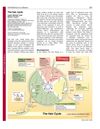
February 2006 in “Journal of Cell Science” This article reviews the stages and regulation of the hair cycle, highlighting molecular regulators involved, but it does not present new research findings.
 58 citations
,
January 2006 in “Skin Pharmacology and Physiology”
58 citations
,
January 2006 in “Skin Pharmacology and Physiology” This study found that testosterone and 5α-dihydrotestosterone induced apoptosis in dermal papilla cells from nonbalding scalp regions, suggesting a high androgen stimulus can trigger cell death related to androgenetic alopecia.
 112 citations
,
October 2005 in “Mayo Clinic Proceedings”
112 citations
,
October 2005 in “Mayo Clinic Proceedings” This article reviews the clinical, psychological, and management aspects of androgenetic alopecia in men, stating that it can be effectively managed by generalist clinicians with pharmacotherapy and surgical advancements.
 62 citations
,
April 2004 in “Expert Opinion on Pharmacotherapy”
62 citations
,
April 2004 in “Expert Opinion on Pharmacotherapy” This article reviews the use of finasteride for treating male pattern hair loss, highlighting its mechanism of action in reducing DHT and noting its safety profile with some common adverse effects.
 397 citations
,
February 2004 in “British Journal of Dermatology”
397 citations
,
February 2004 in “British Journal of Dermatology” This article reviews the mechanisms by which minoxidil stimulates hair growth and reports no new clinical findings.
 190 citations
,
October 2002 in “The FASEB journal”
190 citations
,
October 2002 in “The FASEB journal” In this study, androgen did not affect keratinocyte growth in coculture with androgenetic alopecia-derived dermal papilla cells, but did significantly suppress keratinocyte growth when androgen receptor was overexpressed in the papilla cells.
164 citations
,
December 2000 in “Journal of Dermatological Science” This review explores mechanisms of skin angiogenesis and suggests targeting blood vessels as a promising therapy for skin diseases, but it reports no new research results.
105 citations
,
December 1998 in “Archives of Dermatological Research” This study found that dermal papilla cells in human hair follicles exhibit stronger expression of VEGF mRNA and protein compared to other follicular cells, suggesting their key role in angiogenic processes related to hair growth.
 23 citations
,
July 1993 in “Pharmacotherapy”
23 citations
,
July 1993 in “Pharmacotherapy” Finasteride treats enlarged prostate and baldness, but may cause limited urinary improvement and sex-related side effects.
42 citations
,
July 1993 in “Journal of Investigative Dermatology” 82 citations
,
March 1992 in “Journal of Investigative Dermatology”