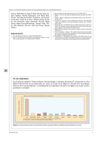
The document corrects a mistake by stating that pimecrolimus, not tacrolimus, is the drug that concentrates in the skin.
151 citations
,
December 2004 in “Neuropharmacology” Progesterone reduces anxiety without needing progesterone receptors.
 May 2024 in “Journal of the Egyptian Women's Dermatologic Society /Journal of the Egyptian Women's Dermatologic Society”
 In this split-scalp study, researchers observed that combining fractional CO2 laser and PRP treatment was significantly more effective in improving hair parameters in women with female pattern hair loss than using each intervention alone or placebo.
 3 citations
,
March 2015 in “Biomolecules & Therapeutics”
3 citations
,
March 2015 in “Biomolecules & Therapeutics” In this study, BP201, derived from porcine lung phospholipids, promoted hair growth in mice, especially when combined with minoxidil, and increased hair follicle numbers and dermal papilla cell proliferation.

This study found that plasma-activated water significantly improved wound healing in diabetic rats compared to both atmospheric pressure cold plasma and conventional dressings.
 5 citations
,
January 2022 in “Molecular Medicine Reports”
5 citations
,
January 2022 in “Molecular Medicine Reports” In this study, topical application of Korean maritime pine bark extract at 2% concentration significantly promoted hair growth in mice, suggesting its potential use for hair loss prevention or treatment.
 May 2026 in “Repository of the University of Ljubljana (University of Ljubljana)”
 This study analyzed the composition and cost of 50 cosmetic body scrubs for keratosis pilaris, finding that chemical exfoliants with glycolic acid may reduce symptoms by enhancing skin shedding and reducing water loss, but further clinical studies are needed to confirm their effectiveness.
January 2025 in “International journal of research studies in biosciences” This abstract discusses the prevalence and forms of lichen planopilaris, a type of scarring hair loss, but reports no new clinical findings.
 September 2021 in “Research Square (Research Square)”
 This study found that measuring specific steroid hormone levels can aid in diagnosing P450 oxidoreductase deficiency, a subtype of congenital adrenal hyperplasia, by distinguishing affected patients from healthy individuals.
 September 2023 in “International journal of biological macromolecules”
 This study found that a chitosan/PDRN nanopolyplex significantly improved diabetic wound healing in rats by enhancing cell proliferation, migration, and antimicrobial activities, suggesting its potential as a therapeutic product.
 March 2025 in “Pain Physician”
 This retrospective study found that applying local skin precooling before scalp nerve block significantly reduced injection site pain during PRP mesotherapy for patients with androgenetic alopecia, compared to those who did not receive precooling, thus improving patient comfort and compliance.
 68 citations
,
November 2012 in “Journal of Investigative Dermatology”
68 citations
,
November 2012 in “Journal of Investigative Dermatology” This study found that PGD2 inhibits hair follicle regeneration in mice through the Gpr44 receptor, suggesting that blocking PGD2 or Gpr44 may enhance skin regeneration after wounds.
January 2013 in “Chinese Journal of Hospital Pharmacy” This study developed a precise and sensitive HPLC-MS/MS method for analyzing the pharmacokinetics of perospirone hydrochloride in human plasma, establishing it as suitable for clinical studies.
116 citations
,
April 2022 in “Science Translational Medicine” This study found that the hydrophilic PTK-UR foam with EG7 repeats significantly improved wound healing in porcine skin wounds compared to other scaffolds, suggesting potential for synthetic biomaterial applications.
 September 2022 in “Journal of The American Academy of Dermatology”
 This study found that PRP is most commonly used for treating androgenetic alopecia and facial rejuvenation, with no serious adverse events reported among participants.
14 citations
,
March 2023 in “Bioengineering” In this retrospective study at Lausanne University Hospital, 61% of 48 patients with tendinopathies reported favorable outcomes after a single standardized autologous PRP injection, while 36% needed two, and effectiveness was unrelated to platelet concentration, activity level, age, or gender.
1 citations
,
December 2011 in “Arzneimittelforschung” This study developed a sensitive HPLC-MS/MS method for determining cyproterone acetate levels in human plasma and found no significant difference in its concentration between two oral formulations in bioequivalence testing.
 18 citations
,
February 2018 in “International Journal of Molecular Sciences”
18 citations
,
February 2018 in “International Journal of Molecular Sciences” This study found that prostaglandin D2 promotes androgen receptor and AKT signaling in human dermal papilla cells through the DP2 receptor, potentially contributing to androgenetic alopecia.
 October 2025 in “INSOLOGI Jurnal Sains dan Teknologi”
 In this laboratory study on rabbits, the researchers observed that both FET and FHE fractions improved hair length and weight, but minoxidil still led to better results, highlighting the comparative effects of different treatments on hair growth over 28 days.
 8 citations
,
September 2003 in “Journal of dermatological science”
8 citations
,
September 2003 in “Journal of dermatological science” This study investigated the effects of substance P on human hair growth but found its role in hair follicle physiology remains unclear.
 7 citations
,
March 2021 in “Journal of animal science/Journal of animal science ... and ASAS reference compendium”
7 citations
,
March 2021 in “Journal of animal science/Journal of animal science ... and ASAS reference compendium” In this study, bromocriptine's inhibition of prolactin promoted secondary follicle development during anagen in cashmere goats, likely via changes in specific gene expressions, despite not affecting fiber characteristics or primary follicle activity.
 April 2017 in “Plastic surgical nursing”
 Platelet-rich plasma (PRP) is an effective treatment for hair loss that involves scalp injections and requires ongoing maintenance.
July 2014 in “Faculty Opinions – Post-Publication Peer Review of the Biomedical Literature” AA-PRP injections significantly promote hair growth but need better study design for clear efficacy.
January 2005 in “日本機械学會論文集. C編” This study suggests that minoxidil sulfate and pinacidil do not activate K channel currents in hair follicles, indicating their hair growth effects may occur through other mechanisms like increased blood flow.
 May 2022 in “Benha Journal of Applied Sciences”
 This study found that programmed death-ligand 1 (PD-L1) levels correlated with the severity of alopecia areata, suggesting its potential as an indicator and possible target for new treatments.
December 2021 in “Jurnal Farmanesia” This study compared the effects of palm kernel oil and virgin coconut oil to pure coconut oil on hair growth in rabbits, noting measurements over a 30-day period.
 15 citations
,
August 2017 in “International Journal of Molecular Medicine”
15 citations
,
August 2017 in “International Journal of Molecular Medicine” This study reported that Panax ginseng extract significantly inhibited DKK-1-induced catagen-like changes in human hair follicles by promoting cell proliferation and reducing apoptosis, suggesting it may help mitigate hair loss associated with DKK-1.
1 citations
,
February 2022 in “Brain Research Bulletin” This study found that finasteride reduced impulsivity in a rat model of pramipexole-induced probability discounting, possibly by normalizing D3 receptor expression in the nucleus accumbens.
January 2009 in “ScholarlyCommons (University of Pennsylvania)” This study provided the first X-ray crystal structure of the mammalian steroid hormone reductase AKR1D1 and identified a disease-related mutant, P133R, which may impact bile acid metabolism and cause clinical symptoms.
176 citations
,
February 2006 in “Cancer Research” This study found that loss of Ptch1 function in mouse skin's basal cells is sufficient to rapidly induce tumors resembling human basal cell carcinoma, suggesting Ptch1 as a key tumor suppressor.