3 citations
,
February 2022 in “Frontiers in Genetics”
3 citations
,
February 2022 in “Frontiers in Genetics” This study found that overexpression of the lncRNA AC010789.1 in hair follicle stem cells may suppress androgen alopecia progression by modulating several molecular pathways, suggesting a potential new treatment strategy.
59 citations
,
January 2021 in “Genes” This study reports identifying 12 candidate genes potentially involved in regulating hair follicle development in cashmere goats, which could contribute to improving cashmere production.
 6 citations
,
November 2020 in “Molecular and Cellular Endocrinology”
6 citations
,
November 2020 in “Molecular and Cellular Endocrinology” This study found that androgens downregulate BMP2 in dermal papilla cells, inhibiting hair follicle stem cell differentiation, while BMP2 addition may restore hair lineage differentiation through the Wnt/β-catenin pathway.
34 citations
,
June 2020 in “British journal of dermatology/British journal of dermatology, Supplement” In this study, researchers observed that follicular damage and stem cell loss in frontal fibrosing alopecia may be mediated by immune attacks at the bulge region, suggesting potential for JAK/STAT-targeting treatments to prevent progression.
 59 citations
,
March 2020 in “Journal of Biomedical Science”
59 citations
,
March 2020 in “Journal of Biomedical Science” This study explored the complex roles of niche cells in regulating hair follicle stem cells, identifying specific cell functions such as signaling, sensing, and relaying messages, which could provide insights into treating hair loss conditions like androgenetic alopecia and alopecia areata.
 53 citations
,
February 2020 in “Expert Opinion on Pharmacotherapy”
53 citations
,
February 2020 in “Expert Opinion on Pharmacotherapy” This review discusses pharmacologic and non-pharmacologic treatments for androgenetic alopecia, noting that current medications like finasteride and minoxidil can slow hair loss but only partially restore hair growth, with early treatment offering better outcomes.
 27 citations
,
January 2020 in “Experimental Dermatology”
27 citations
,
January 2020 in “Experimental Dermatology” This review discusses the role of immune cells in mammalian hair cycle control and highlights their potential relevance to human hair cycling disorders, reporting no new clinical findings.
 19 citations
,
August 2019 in “Expert Opinion on Therapeutic Targets”
19 citations
,
August 2019 in “Expert Opinion on Therapeutic Targets” This review discusses emerging targets for developing drugs to treat hair loss and reports no new clinical results; the authors emphasize the potential for therapies that regenerate hair follicles.
 56 citations
,
August 2019 in “Clinical, Cosmetic and Investigational Dermatology”
56 citations
,
August 2019 in “Clinical, Cosmetic and Investigational Dermatology” This essay discusses telogen effluvium, the issues surrounding its diagnosis and differentiation from other forms of hair loss, and emphasizes the need for empathetic patient care; it reports no new clinical findings.
 45 citations
,
April 2019 in “International Immunology”
45 citations
,
April 2019 in “International Immunology” This review discusses the mechanisms behind alopecia areata and primary cicatricial alopecia and reports no new clinical results, aiming to guide the development of targeted treatments.
 21 citations
,
March 2019 in “Experimental Dermatology”
21 citations
,
March 2019 in “Experimental Dermatology” This review discusses the role of perifollicular macrophages in hair growth and suggests targeting them could be relevant for managing hair growth disorders, but reports no new results.
 28 citations
,
August 2018 in “BMC genomics”
28 citations
,
August 2018 in “BMC genomics” This study found that the DNA methylation status of skin samples from cashmere goats was higher during the telogen stage compared to the anagen stage, identifying genes potentially important for hair follicle development and growth.
 3 citations
,
May 2018 in “Journal of Cosmetic Dermatology”
3 citations
,
May 2018 in “Journal of Cosmetic Dermatology” This study reported that the most reliable way to differentiate alopecia areata from androgenic alopecia is by detecting intrafollicular CD3 and CD8 cell density, with CD3 being the most specific and sensitive marker.
 20 citations
,
January 2018 in “Expert Opinion on Drug Safety”
20 citations
,
January 2018 in “Expert Opinion on Drug Safety” This review discusses androgenetic alopecia management with 5α-reductase inhibitors, emphasizing that while dutasteride shows superior efficacy, finasteride is suggested as preferable due to predictable adverse effects and preservation of physiological roles.
 11 citations
,
July 2017 in “Expert Opinion on Investigational Drugs”
11 citations
,
July 2017 in “Expert Opinion on Investigational Drugs” This review discusses current and emerging therapeutic strategies for androgenetic alopecia, noting limited evidence but suggesting areas such as prostaglandin analogs, PRP, and progenitor cell therapies as promising future directions.
 43 citations
,
April 2017 in “Experimental Dermatology”
43 citations
,
April 2017 in “Experimental Dermatology” This review summarizes the genetic studies on female pattern hair loss, highlighting the lack of clearly identified susceptibility loci and suggesting distinct aetiological differences from male pattern hair loss.
 178 citations
,
April 2017 in “Journal of The American Academy of Dermatology”
178 citations
,
April 2017 in “Journal of The American Academy of Dermatology” This systematic review and meta-analysis found that minoxidil, finasteride, and low-level laser light therapy significantly improve hair growth in men with androgenetic alopecia, while minoxidil is also effective for women, compared to placebo.
 153 citations
,
March 2017 in “Endocrine”
153 citations
,
March 2017 in “Endocrine” This review examines recent advances in understanding the pathophysiology and molecular mechanisms of androgenetic alopecia, highlighting two major genetic risk loci, but does not report new clinical findings.
 64 citations
,
March 2017 in “Nature communications”
64 citations
,
March 2017 in “Nature communications” This study identified 63 genetic loci associated with male-pattern baldness, uncovering genes and pathways that may help develop treatments and suggesting its connection to other human conditions.
 110 citations
,
August 2016 in “Drugs”
110 citations
,
August 2016 in “Drugs” Minoxidil is the only FDA-approved topical drug for treating male or female pattern hair loss, and other medications like finasteride and dutasteride can also increase hair growth.
 242 citations
,
February 2016 in “Science”
242 citations
,
February 2016 in “Science” This research found that Foxc1 transcription factor and COL17A1 are critical in regulating quiescence and hair thinning in hair follicle stem cells, with aging-related DNA damage leading to hair loss.
 46 citations
,
February 2016 in “Experimental Dermatology”
46 citations
,
February 2016 in “Experimental Dermatology” This review discusses the genetic research developments in androgenetic alopecia, reporting no new clinical results, and highlights the potential for discovering novel therapeutic targets.
 66 citations
,
July 2015 in “Journal of Molecular Biology”
66 citations
,
July 2015 in “Journal of Molecular Biology” This review discusses how macro-environmental factors such as intradermal adipose tissue and sex hormones influence hair and feather stem cell niches, suggesting environmental targets for regenerative medicine, but reports no new clinical results.
 93 citations
,
February 2015 in “Journal of Investigative Dermatology”
93 citations
,
February 2015 in “Journal of Investigative Dermatology” This study suggests that oxidative stress may contribute to androgenetic alopecia by inducing premature senescence and secretion of hair growth inhibitors in dermal papilla cells from balding scalp.
 175 citations
,
December 2014 in “PLoS Biology”
175 citations
,
December 2014 in “PLoS Biology” This study found that macrophages near hair follicles contribute to the activation of skin epithelial stem cells in mice, suggesting a novel role for macrophages in regulating hair growth.
701 citations
,
August 2014 in “Nature medicine” This study found that JAK inhibitors promote hair regrowth in both mice and human alopecia areata cases by blocking key immune pathways involved in disease development.
 426 citations
,
August 2014 in “Nature Medicine”
426 citations
,
August 2014 in “Nature Medicine” This narrative review examines the interactions between skin stem cells and their niches, finding new insights from advancements in genetic and imaging tools but reporting no new experimental results.
 59 citations
,
May 2014 in “Expert Opinion on Therapeutic Targets”
59 citations
,
May 2014 in “Expert Opinion on Therapeutic Targets” This review discusses current therapeutic targets and treatments for androgenic alopecia but reports no clinical results; the authors highlight the challenge of developing multi-target drugs for effective treatment.
 151 citations
,
May 2014 in “American Journal of Clinical Dermatology”
151 citations
,
May 2014 in “American Journal of Clinical Dermatology” This review concluded that oral finasteride for men and topical minoxidil for both genders have the most evidence supporting their effectiveness and safety for treating androgenetic alopecia.
 19 citations
,
April 2014 in “Hormones”
19 citations
,
April 2014 in “Hormones” Hormones and genetics play key roles in male and female baldness, which can affect mental health and may be linked to other health issues.
2152 citations
,
November 2013 in “Urologia Internationalis” This study reviews the significant prevalence of organic etiologies, especially vascular causes, in erectile dysfunction among men under 40 and emphasizes thorough evaluation and consideration of treatment options like exercise and PDE-5 inhibitors.
 56 citations
,
September 2013 in “Journal of Biochemistry and Molecular Biology”
56 citations
,
September 2013 in “Journal of Biochemistry and Molecular Biology” This study observed that androgen treatment increased ROS production and TGF-β1 secretion in rat hair follicle dermal papilla cells, suggesting that the androgen-induced TGF-β1 is mediated by ROS.
 33 citations
,
November 2012 in “Journal of The American Academy of Dermatology”
33 citations
,
November 2012 in “Journal of The American Academy of Dermatology” This study reported that female pattern hair loss was prevalent in 11.8% of women aged 30 and older and was associated with high fasting glucose, fewer childbirths, oral contraceptive use, and excessive ultraviolet exposure.
19 citations
,
December 2011 in “PubMed” This study found that women with androgenetic alopecia showing a positive immunoreactant profile responded well to combined therapy with minocycline, topical steroids, and red light, indicating an immunologically driven trigger.
 19 citations
,
September 2011 in “Journal of Dermatological Science”
19 citations
,
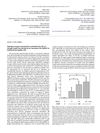
September 2011 in “Journal of Dermatological Science” TGF-β1 increases androgen receptor activity in hair loss, but Hic-5/ARA55 can counter this effect.
 44 citations
,
July 2011 in “Dermatologic Therapy”
44 citations
,
July 2011 in “Dermatologic Therapy” This study found that finasteride 1 mg was effective in improving androgenetic alopecia over 10 years in men, particularly those older than 30, with some reporting beneficial results even after 5 years.
 185 citations
,
March 2011 in “The Journal of Sexual Medicine”
185 citations
,
March 2011 in “The Journal of Sexual Medicine” This study found that 94% of healthy men reported low libido and 92% reported erectile dysfunction as persistent sexual side effects after using finasteride for male pattern hair loss, with these effects lasting on average 40 months post-discontinuation.
 235 citations
,
January 2011 in “Journal of Clinical Investigation”
235 citations
,
January 2011 in “Journal of Clinical Investigation” This study found that androgenetic alopecia may involve a defect in the conversion of hair follicle stem cells to progenitor cells, as demonstrated by a reduced presence of progenitor cells in bald scalp samples.
 122 citations
,
November 2010 in “Journal of Dermatological Science”
122 citations
,
November 2010 in “Journal of Dermatological Science” This study found that increased expression of type II 5α-reductase, androgen receptors, and Hic-5/ARA55 in dermal papilla cells upregulates androgen sensitivity, playing a key role in androgenetic alopecia pathogenesis.
 100 citations
,
April 2010 in “Expert Opinion on Pharmacotherapy”
100 citations
,
April 2010 in “Expert Opinion on Pharmacotherapy” This article reviews existing treatments for male-pattern hair loss, noting that while they can slow progression, they generally achieve only partial hair regrowth.
 77 citations
,
April 2009 in “British Journal of Dermatology”
77 citations
,
April 2009 in “British Journal of Dermatology” In this study, genetic variation in the CYP19A1 gene, particularly the common rs4646 C allele, was associated with an increased risk of female pattern hair loss, especially in women under 40.
 190 citations
,
October 2002 in “The FASEB journal”
190 citations
,
October 2002 in “The FASEB journal” In this study, androgen did not affect keratinocyte growth in coculture with androgenetic alopecia-derived dermal papilla cells, but did significantly suppress keratinocyte growth when androgen receptor was overexpressed in the papilla cells.
 10 citations
,
August 1991 in “PubMed”
10 citations
,
August 1991 in “PubMed” This study supports the idea that inflammation may play a role in the development of androgenetic alopecia, as indicated by certain immune deposits and porphyrins found more frequently in bald scalp biopsies compared to controls.