January 2026 in “International Journal of Molecular Sciences” This review suggests that topically applied peptides may offer a promising alternative for managing pain in chronic wounds, with additional potential benefits of anti-inflammatory and regenerative activities, but acknowledges the challenges of delivering these peptides across damaged skin barriers.
January 2026 in “Burns & Trauma” This review synthesizes evidence on how RNA modifications affect wound healing, particularly in skin, bone, and corneal injuries, emphasizing potential therapeutic strategies for burns and trauma in relation to these cellular processes.
November 2025 in “Journal of Clinical Medicine” This study found that platelet-rich plasma may improve patient-reported outcomes for scar symptoms like pain and itching at six months, although no significant changes in scar appearance were observed at three months.
November 2025 in “Biomedicines” This review highlights hypochlorous acid's potential benefits in various medical fields due to its antimicrobial and healing properties but stresses the need for further research on dosing and product development.
October 2025 in “Burns & Trauma” This review highlights recent advancements in engineered probiotics for wound healing, reporting that genetically engineered strains of Lactobacillus reuteri and Lactococcus cremoris have shown promise in promoting faster wound healing in pre-clinical and clinical settings, particularly for diabetic foot ulcers.
October 2025 in “Preprints.org” This research concludes that adipose mesenchymal stem cells are uniquely evolved to manage skin inflammation in newborns and their released molecules are the safest and most effective for skin therapeutics.
October 2025 in “Bioactive Materials” This review highlights the potential of microneedle technology in traditional Chinese medicine as a promising transdermal delivery system for skin diseases, showcasing improved efficacy and reduced side effects of TCM ingredients while discussing the challenges of its clinical application.
October 2025 in “International Journal of Molecular Sciences” This review highlights the lack of a comprehensive synthesis of stem cell therapy research by categorizing current studies according to medical specialty and stem cell type, while analyzing their advantages and limitations across various medical disciplines.
August 2025 in “World Academy of Sciences Journal” This scoping review revealed that topical metformin shows potential in dermatology, displaying anti-inflammatory, antioxidant, anti-photoaging, wound-healing, and antitumor properties, while also being effective for conditions like melasma and acne vulgaris; further clinical trials are needed to confirm its safety and efficacy for long-term human use.
July 2025 in “Nano Research” This article discusses how designing biomaterials to modulate immune responses has become a promising strategy for enhancing tissue repair and regeneration.
 December 2024 in “International Journal of Molecular Sciences”
 This study provides a comprehensive overview of human umbilical cord mesenchymal stem cell-derived extracellular vesicles (HUCMSC-EVs), suggesting their potential to combat aging and alleviate age-related disorders by rejuvenating multiple organs in animal models and discussing engineering strategies to harness their full anti-aging potential.
 December 2024 in “Health Science Reports”
 This review found that topical metformin shows potential as a treatment in dentistry for periodontitis and in dermatology for conditions like wound healing and acne, but results for melasma are inconsistent.
 October 2024 in “Frontiers in Neurology”
 This study at Shandong Provincial Hospital evaluated interventional embolization for scalp arteriovenous fistulas, finding a cure rate of 85.71% among 21 patients, with swelling as a common postoperative complication, suggesting this method is both effective and safe.
This systematic review reports positive outcomes for platelet-rich plasma in aesthetic dermatology applications like skin rejuvenation, hair restoration, wound healing, and fat grafting, but highlights the need for standardized protocols in future research.
April 2024 in “Surgical Techniques Development” This article describes the significance of the Italian Association of Plastic Aesthetic Surgery's annual congress in European aesthetic plastic surgery, but reports no new research findings.
April 2024 in “Journal of composites science” This review details how hydrogel composites play crucial roles in regenerative medicine, tissue engineering, and drug delivery systems, highlighting innovations in these applications and addressing challenges like bioactivity, biomechanical compatibility, and controlled drug release.
 March 2024 in “EMBO molecular medicine”
 This study found that the antiviral drug daclatasvir significantly improved fibrosis and quality of life in a mouse model of recessive dystrophic epidermolysis bullosa, suggesting potential for treating this and other fibrotic diseases.
 January 2024 in “Authorea (Authorea)”
 This review examined the use of nanomaterials in different stages of wound healing, describing their mechanisms, current challenges, and potential future applications, including intelligent healing through real-time monitoring and precision regulation, to guide future research in wound treatment.
January 2024 in “Medicina” This study assessed outcomes and complications of upper-face feminization surgery among 20 transgender patients, highlighting that insufficient browbone reduction was a common issue in prior surgeries, and emphasizing meticulous planning to prevent revisions and dissatisfaction.
 January 2024 in “Dermatologic therapy”
 This review describes the characteristics and treatment of acne keloidalis nuchae, focusing on related conditions and available therapeutic approaches, but presents no new clinical findings.
 December 2023 in “Regenerative therapy”
 In this review, the authors reported that exosomal miRNA-based therapies showed promising therapeutic effects on nine skin diseases in animal models, with enhanced outcomes observed when using miRNA-overexpressing exosomes compared to natural ones; however, no comparisons to standard treatments were available.
 August 2023 in “Skin Research and Technology”
 This study found that platelet-rich plasma is effective and safe for treating chronic wounds, particularly diabetic and venous ulcers, and vitiligo, without increasing the risk of infection.
This review summarizes the current applications and mechanisms of self-assembled peptide hydrogels in promoting skin, bone, and nerve regeneration, highlighting their potential due to their biocompatibility and supportive role in tissue healing.
 May 2023 in “Antioxidants”
 In this study, researchers found that supramolecular peptide self-assembling materials derived from Pacific oysters exhibit promising effects for skin wound healing in vitro and in vivo, demonstrating procoagulant, antioxidant, anti-inflammatory, and regenerative properties that suggest potential as a natural treatment option.
 April 2023 in “Dentistry”
 This chapter reviews the potential of stem cells from discarded deciduous teeth in regenerative medicine and dentistry, with no new clinical results presented.
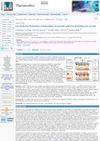 January 2023 in “Theranostics”
 This study reported that a curcumin-zinc microneedle patch improved hair regrowth and wound healing in animal models, suggesting potential as a versatile treatment for hair loss.
 January 2023 in “Burns & Trauma”
 This study introduced a volar skin excisional wound model that closely mirrors human wound healing and supports evaluation of skin regeneration with multiple appendages and innervation.
November 2022 in “IntechOpen eBooks” This review discusses nanoparticle-based wound-healing materials, detailing their benefits, limitations, and recent advancements, and emphasizes the need for further understanding to enhance therapeutic outcomes.
June 2022 in “Plastic & Reconstructive Surgery Global Open” This document reviews various studies presented at the Plastic Surgery Research Council (PSRC) Annual Meetings and reports no new research findings; it discusses topics ranging from reconstructive techniques to gender-affirming surgeries.
 September 2021 in “VNU Journal of Science: Medical and Pharmaceutical Sciences”
 This review discusses the diverse applications of platelet-rich plasma (PRP) across various medical fields and reports no new clinical results, advocating PRP as a promising therapy for future use.