 9 citations
,
April 2000 in “Plastic and Reconstructive Surgery”
9 citations
,
April 2000 in “Plastic and Reconstructive Surgery” This article describes a refined technique for improving hair transplant results by recycling oversized plugs into smaller grafts, integrating advanced methods like scalp lifting and occipital harvesting.
 July 2024 in “International Journal of Molecular Sciences”
 In this study, Nigella sativa oil was found to promote dermal papilla cell proliferation and may reduce oxidative stress, suggesting its potential as a hair loss intervention.
 January 2022 in “DOAJ (DOAJ: Directory of Open Access Journals)”
 This study found that the optimized nanostructured lipid carrier formulation effectively enabled caffeine to penetrate and accumulate in hair follicles, suggesting potential for intrafollicular delivery in treatments for hair loss.
January 2010 in “USFEU Scientific Library (Ural State Forest Engineering University)” This study developed a grooved microneedle platform enabling precise transdermal delivery of triamcinolone acetonide for alopecia areata, achieving accurate dosing by controlling groove position and drug concentration.
 19 citations
,
January 2009 in “Journal of Young Pharmacists”
19 citations
,
January 2009 in “Journal of Young Pharmacists” This study found that the alcoholic extract of Eclipta alba exhibited dose-dependent antianaphylactic effects in animal models, possibly due to membrane stabilization and reduced histamine release.
 27 citations
,
January 2005 in “American Journal of Clinical Dermatology”
27 citations
,
January 2005 in “American Journal of Clinical Dermatology” This pilot study found that azelaic acid treatment for patchy alopecia areata had similar hair regrowth results as anthralin, suggesting it may be an effective topical therapy.

In this case report, combination therapy with topical tretinoin, topical and intralesional steroids, and systemic doxycycline showed improvement in AKN lesions for a 19-year-old man, with notable reductions in lesion size and number observed by the second week.
 4 citations
,
January 2022 in “Drug design, development and therapy”
4 citations
,
January 2022 in “Drug design, development and therapy” This study demonstrated that intramuscular corticosteroids were effective for severe alopecia areata, with significant hair regrowth in 80.2% of patients, though a high relapse rate was noted post-treatment. Nail involvement and disease duration over six months negatively impacted outcomes.
November 2022 in “Journal of Investigative Dermatology” This study suggests that the Anetholea anisita extract improved scalp health by increasing specialized pro-resolving mediators and reducing pro-inflammatory markers, leading to decreased dandruff and enhanced hair brightness in dandruff sufferers.
 22 citations
,
January 2021 in “Pharmacognosy Journal”
22 citations
,
January 2021 in “Pharmacognosy Journal” This review discusses the traditional uses, phytochemical, and pharmacological studies on Ageratum conyzoides, Tridax procumbens, and Bidens pilosa, emphasizing the need for further clinical research into their medicinal potential, but it does not report new results.
 February 2025 in “Jurnal Kesehatan Bakti Tunas Husada Jurnal Ilmu-ilmu Keperawatan Analis Kesehatan dan Farmasi”
 This study formulated nanostructured lipid carriers with curcumin, using specific surfactants, to enhance its stability and bioavailability for more effective androgenetic alopecia treatment.
 February 2020 in “International research journal of pharmacy”
 This study suggests that a topical emulsion containing Camellia sinensis and Allium cepa extracts may show promise for treating alopecia areata in Wistar rats.
 March 2024 in “International Research Journal Of Modernization In Engineering Technology And Science”
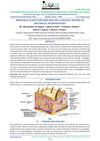
 This review highlights the beneficial effects of certain herbal drugs in treating skin diseases, such as their healing, antifungal, antiviral, antibacterial, anti-inflammatory, and antitumor-promoting activities, emphasizing recent technical advancements in the field over the past 17 years.
 1 citations
,
January 2023 in “Research Square (Research Square)”
1 citations
,
January 2023 in “Research Square (Research Square)” This study found that a neem-based herbal formulation may be more effective than ivermectin in treating sarcoptic mange in dromedary camels, leading to complete recovery without scarring or keratinization.
 January 2026 in “Lumbung Farmasi Jurnal Ilmu Kefarmasian”
 This study found that a topical emulsion containing purified extracts of sidr leaves and roasted candlenut seeds significantly increased hair growth compared to the base and 2% minoxidil, potentially through their antioxidant and anti-inflammatory properties.
June 2021 in “Zenodo (CERN European Organization for Nuclear Research)” This study reported the preparation of stable oil-in-water nanoemulsions that effectively incorporate ceramide-like molecules and minoxidil, suggesting these formulations may enhance distribution and availability of hydrophobic compounds in cosmetic applications.
 June 2025 in “International Journal of Latest Technology in Engineering Management & Applied Science”
 This study developed and evaluated a herbal hair oil formulated with plant-derived ingredients, assessing its ability to minimize hair loss, promote scalp wellness, and improve hair texture through in vitro tests, with positive implications for herbal cosmetic product advancements.
 18 citations
,
October 2018 in “Nutrients”
18 citations
,
October 2018 in “Nutrients” This study found that Annurca apple polyphenolic extracts reprogram hair follicle metabolism in mice, enhancing mitochondrial activity and keratin production while inhibiting some metabolic pathways.
 November 2025 in “Discover Pharmaceutical Sciences”
 In this study, a nanoemulsion containing lavender, peppermint, and rosemary essential oils was developed and shown to promote hair growth in mice at a rate comparable to 2% topical minoxidil, suggesting a promising natural alternative due to its antioxidant and anti-inflammatory effects.
 3 citations
,
August 2020 in “PubMed”
3 citations
,
August 2020 in “PubMed” This review discusses the absence of clinical trials on natural ingredients for managing Central Centrifugal Cicatricial Alopecia and highlights a need for more research.
1 citations
,
December 2025 in “Inorganics” This review analyzes the role of silver nanoparticles in wound healing, highlighting their antimicrobial, anti-inflammatory, and tissue-regenerating properties, and emphasizes the need for further research to optimize formulations and ensure safety.
14 citations
,
January 1991 in “PubMed” This study reports that once-daily oxiconazole cream effectively achieves mycologic and clinical cures for various fungal infections, with success rates of at least 80% in patients.
3 citations
,
October 2018 in “Revista de Chimie” This review discusses the potential medicinal properties and pharmacokinetic features of nettle compounds ursolic acid and quercetin, highlighting quercetin as a promising candidate for antioxidant and anti-aging effects, but reports no new clinical results.
7 citations
,
October 2012 in “PubMed” This study found that intralesional triamcinolone was more effective than topical anthralin in promoting hair regrowth in alopecia areata patients, but it also had a higher relapse rate.
This review discusses the potential effectiveness of certain essential oils in promoting hair growth for alopecia and reports no new clinical trials; the authors suggest these oils may increase hair thickness and volume.
This chapter reviews nanocarriers for acne therapy, highlighting their ability to reduce lesions and inflammation while improving the safety and effectiveness of treatment, though no new clinical results are reported.
June 2025 in “Formosa Journal of Sustainable Research” In this study, the NADES extract of mangkokan leaves (Polyscias scutellaria) demonstrated antibacterial activity against Escherichia coli and Staphylococcus aureus, with a total flavonoid content measured at 4.944 mgEQ/gSimplisia using the disc diffusion method.
 March 2026 in “Archives of Dermatological Research”
 Amlodipine cream may help hair growth by improving blood flow.
5 citations
,
December 2020 in “Materials Research Express” This study found that silver nanoparticles biofabricated using Ostericum koreanum leaf extract inhibited inflammatory cytokine production in stimulated human mast cell lines, suggesting potential use in treating mast cell-mediated allergic diseases.

In this study, a nanoemulsion containing Lavender, Peppermint, and Rosemary oils significantly promoted hair growth in C57BL/6 mice, showing effects comparable to 2% minoxidil, following formula optimization and ex vivo skin permeation testing.