 7 citations
,
August 2020 in “Animal biotechnology”
7 citations
,
August 2020 in “Animal biotechnology” This study found that lncRNA-599547 positively regulates the expression of the Wnt10b gene by interacting with miR-15b-5p, enhancing the inductive property of dermal papilla cells in cashmere goats.
7 citations
,
December 2019 in “Experimental and Therapeutic Medicine” This study examined the effects of WNT10B on dermal papilla cells in vitro, finding that it alters gene expression, decreases protein synthesis, and upregulates a specific signaling pathway, potentially influencing hair follicle morphogenesis.
6 citations
,
January 2025 in “Differentiation” This review highlights the role of the glycoprotein WNT10A in human tissue and organ development, exploring its genetic structure, expression, and association with disorders like ectodermal dysplasia and pathological conditions such as fibrosis and cancer.
 5 citations
,
May 2019 in “Archives of Dermatological Research”
5 citations
,
May 2019 in “Archives of Dermatological Research” This study reported that narrowband UVB treatment significantly increased WNT7B, WNT10B, and TCF7L2 gene expression in lesional skin of psoriasis patients, suggesting these genes may play a role in psoriasis pathogenesis.
 3 citations
,
January 2023 in “Journal of Hard Tissue Biology”
3 citations
,
January 2023 in “Journal of Hard Tissue Biology” This study found that Wnt10a expression in odontoblasts increased with dental pulp regeneration and may be a potential non-cellular agent for inducing dental pulp regeneration with dentine-inducing capacity.
 2 citations
,
August 2023 in “Ecotoxicology and environmental safety”
2 citations
,
August 2023 in “Ecotoxicology and environmental safety” This study found that vitamin A significantly enhanced the proliferation and inhibited apoptosis of rabbit dermal papilla cells under heat stress, likely by modulating miR-195/IGF1 and Wnt10b/β-catenin signaling pathways.
1 citations
,
November 2020 This study found that a pro-fibrotic Wnt1/βcatenin injury response is crucial for maintaining cardiac function following acute ischaemic cardiac injury by activating the epicardium and cardiac fibroblasts.
 1 citations
,
June 2021 in “bioRxiv (Cold Spring Harbor Laboratory)”
1 citations
,
June 2021 in “bioRxiv (Cold Spring Harbor Laboratory)” This study found that β-catenin stabilization in specific mammary epithelial lineages leads to cellular changes and the formation of hyperplastic lesions, revealing its role in initiating mammary neoplastic development.
1 citations
,
June 2025 in “Stem Cell Reviews and Reports” 1 citations
,
May 2024 in “Preprints.org” This study observed that age influences fur quality and hair follicle traits in Rex rabbits, with significant differences in the Wnt10b/β-catenin signaling pathways during hair follicle development, suggesting the ideal slaughter age should not be earlier than 120 days to maximize fur characteristics.
1 citations
,
December 2023 in “Animals” In this study, researchers observed that the skin quality and hair follicle development of Rex rabbits improved when slaughtered in winter compared to summer, with findings suggesting seasonal regulation via multiple signaling pathways affecting fur characteristics.
October 2019 in “Journal of Pakistan Association of Dermatologists” In this study, NB-UVB therapy significantly increased Wnt1 and β-catenin expression in hair follicles, which may play a role in vitiligo perifollicular repigmentation.
 June 2023 in “Food frontiers”
 In this animal study, researchers observed that ginsenoside CK significantly reduced hair loss, improved sexual organ health, and encouraged hair growth in mice with androgenetic alopecia by modulating key signaling pathways and normalizing hormone metabolism, highlighting its potential as a therapeutic agent.
 November 2018 in “Atlas of genetics and cytogenetics in oncology and haematology”
 The review discusses the diverse roles of WNT10B in mammary gland development, immune function, and its potential implications in cancer and regenerative processes, with no new experimental results.
 February 2026 in “Orphanet Journal of Rare Diseases”
 This study identified pathogenic or likely pathogenic gene variants in 70.1% of Russian families affected by hypohidrotic ectodermal dysplasia, expanding knowledge of causative mutations.
 November 2025 in “Stem Cell Research & Therapy”
 In this study, the authors reported that combining PMSC-secretome and Wnt10b in a GelMA hydrogel scaffold promoted effective hair follicle biofabrication and hair growth in a small in vivo experiment. They emphasized the need for larger studies to confirm these results.

This study found that melatonin promotes the growth of secondary hair follicles in Inner Mongolian cashmere goats by enhancing the activity and proliferation of dermal papilla cells through involving the Wnt10b gene, though the detailed mechanisms remain undetermined.
 January 2024 in “bioRxiv (Cold Spring Harbor Laboratory)”
 In this mouse study, the absence of the Ascl4 gene did not affect the development of hair follicles, teeth, or mammary glands, suggesting it is non-essential for these processes.
 June 2021 in “Dermatology Online Journal”
 This case report documents the first known occurrence of alopecia areata in a patient with ectodermal dysplasia linked to a WNT10A mutation, suggesting potential shared genetic factors in hair loss pathways.
 April 2016 in “Chinese Journal of Dermatology”
 This study found that Wnt10b induces hair follicle regeneration in mice, likely by activating the canonical Wnt signaling pathway in stem cells and their daughter cells.
This study found that the Wnt10b gene promotes, while the SFRP2 gene inhibits, hair growth in Wanxi Angora rabbits, influencing the hair growth cycle and follicle regeneration.
 September 2017 in “Journal of Investigative Dermatology”
 This study found that in AGA, the risk allele at locus 2q35 alters WNT10A expression through EBF1, suggesting a potential androgen-dependent regulatory mechanism.
 75 citations
,
August 2008 in “PLOS ONE”
75 citations
,
August 2008 in “PLOS ONE” This study found that Wnt3a liposomes can induce hair follicle neogenesis when delivered subcutaneously, demonstrating their potential for regenerative applications.
 56 citations
,
February 2010 in “PLOS ONE”
56 citations
,
February 2010 in “PLOS ONE” This study demonstrates that canonical Wnt signaling is crucial for maintaining thymic epithelial microenvironments in postnatal thymus, possibly by affecting TEC progenitor cells.
 25 citations
,
November 2017 in “Molecular Medicine Reports”
25 citations
,
November 2017 in “Molecular Medicine Reports” This study found that PlncRNA‑1 may enhance the proliferation and differentiation of hair follicle stem cells by upregulating the TGF‑β1-mediated Wnt/β-catenin signaling pathway.
11 citations
,
February 2023 in “British Journal of Pharmacology” This study found that ISX9 may activate the Wnt/β-catenin signaling pathway and holds potential as a therapeutic agent for treating alopecia.
11 citations
,
April 2022 in “International Journal of Molecular Sciences” This review discusses the role of the Wnt/β-catenin pathway in skin wound repair and explores how photobiomodulation may affect chronic wound healing, but it reports no new clinical results.
2 citations
,
May 2022 in “Journal of trace elements in medicine and biology” This study found that administering lower doses of sodium pentaborate pentahydrate increased hair growth in rats via specific molecular pathways, while a higher dose suppressed these pathways and impaired hair growth.

This study found that garlic exosomes induced hair growth in rats by increasing anagen follicle counts and activating multiple signaling pathways, including Wnt-1, β-catenin, and TGF-β1.
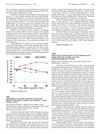 April 2010 in “The Journal of Urology”
 Human prostate cells produce more WISP1/CCN4 when there's not enough oxygen.