
This study analyzed the phytochemical content of two Portulaca species and found that extracts from Portulaca oleracea L. and Portulaca grandiflora H. demonstrated suitable characteristics for hair tonic formulations, meeting Indonesian National Standards for cosmetic products.
 March 2024 in “Journal of Pharmaceutical and Sciences”
 This study investigated the phytochemical composition and antibacterial and antioxidant activities of Zaleya pentandra extracts, finding high total polyphenol and flavonoid content and significant antibacterial effects, particularly in acetone extract, which may be suitable for developing antibacterial agents.
 1 citations
,
December 2019 in “JURNAL BIOSAINS”
1 citations
,
December 2019 in “JURNAL BIOSAINS” This study evaluated krokot extract as a hair tonic and found it to be microbiologically safe, effective at extending and increasing hair weight, non-irritating, and generally well-received in terms of aroma and color when tested on rabbits.
 January 2026 in “Dermatology Practical & Conceptual”
 This systematic review found that exosome-based therapies significantly improve skin elasticity, reduce wrinkle depth, enhance hydration, and modulate pigmentation, with minimal adverse events reported across multiple studies. However, further clinical trials are necessary to confirm long-term efficacy and safety.
 5 citations
,
September 2023 in “Journal of ethnopharmacology”
5 citations
,
September 2023 in “Journal of ethnopharmacology” This review from this study outlines the traditional uses, phytochemicals, and diverse pharmacological activities of Portulaca oleracea L. (purslane), suggesting its potential application in food, pharmaceuticals, and animal husbandry due to its various health benefits and nutritional properties.
 54 citations
,
May 2017 in “Biomedicine & Pharmacotherapy”
54 citations
,
May 2017 in “Biomedicine & Pharmacotherapy” This review discusses the nutrient profile and potential health benefits of pumpkin and watermelon seeds, concluding they are underutilized and could be developed into various nutraceuticals.
130 citations
,
December 2022 in “Antioxidants” This review discusses the antioxidant activity of natural polysaccharides, highlighting their potential applications in areas like drug delivery and tissue engineering, but reports no new experimental findings.
April 2024 in “Molecules/Molecules online/Molecules annual” This review discusses the potential of P. polyphylla saponins to treat acne through antibacterial, anti-inflammatory, immunomodulatory, and antioxidant effects, noting that acne's complex pathogenesis makes this line of research promising for future studies.
 1 citations
,
January 2025 in “International Research Journal of Multidisciplinary Scope”
1 citations
,
January 2025 in “International Research Journal of Multidisciplinary Scope” This review systematically summarizes the ethnopharmacology, phytochemistry, and pharmacological activities of Caryota mitis, highlighting its rich phytochemical profile and potential uses in treating various ailments, though many traditional uses still require further scientific validation.
 1 citations
,
October 2025 in “Nano Research”
1 citations
,
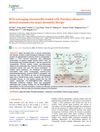
October 2025 in “Nano Research” In this study, researchers developed a dissolvable microneedle patch combining HA-TEMPO and Portulaca oleracea L.-derived nanoparticles, which effectively reduced oxidative stress and inflammation in an atopic dermatitis model while restoring immune balance, suggesting a promising treatment strategy.
 1 citations
,
August 2023 in “Frontiers in immunology”
1 citations
,
August 2023 in “Frontiers in immunology” This review highlights the potential of TCM medicinal foods for managing post-COVID disorders and suggests they could provide a safe and efficient long-term therapy due to their milder nature.

This research highlights selenium's critical roles in various biological processes and underscores the potential health impacts of both its deficiency and excess, including increased mortality risk, poor immune function, and neurological issues.
 October 2023 in “Cognizance journal”
 This study explores using agent-based modeling and nutrition science to predict and treat oral and dental diseases as alternatives to traditional incarceration for managing criminal behavior, but results are not reported.
 October 2020 in “Misr journal of agricultural engineering”
 This study examined the drying of pomegranate peel as a method for reducing waste and found that drying efficiency varied with temperature and air velocity, potentially adding value to this by-product.
This book overview summarizes advances in integrative dermatology without presenting any new research findings.
9 citations
,
July 2025 in “Pharmaceuticals” This review highlights the therapeutic potential of plant-derived exosomes, noting their larger size compared to animal-derived exosomes and usefulness in targeted drug delivery and inter-kingdom communication. It summarizes existing research on their biogenesis, characterization, and engineering for drug delivery, indicating significant opportunities for biotechnological advancements.

This review explores plant-derived exosomes as promising alternatives to synthetic wound-healing agents due to their ability to regulate signaling pathways involved in skin repair, while also addressing challenges in their clinical application.
54 citations
,
June 2023 in “International Journal of Molecular Sciences” This review reports that myricetin, a naturally occurring antioxidant in plants, may assist in cancer management by enhancing the effects of existing drugs and inhibiting inflammatory markers, based on in vivo and in vitro studies.
41 citations
,
September 2021 in “Materials” This review discusses the role of biomaterials and colloidal drug delivery systems in promoting tissue regeneration within regenerative medicine, but it reports no new clinical results.
26 citations
,
April 2023 in “Medicina” This systematic review suggests that platelet-rich plasma may significantly improve symptoms in oral lichen planus with effects comparable to corticosteroids, although more research is needed to confirm these findings.
15 citations
,
May 2022 in “Fermentation” This study found that fermented camel milk containing 50% pumpkin seed milk significantly improved oxidative stress markers in rats and enhanced sensory and physicochemical properties compared to untreated groups.
9 citations
,
June 2023 in “Cells” This review summarizes recent findings on how the dysregulated PI3K/Akt/mTOR pathway contributes to immune-mediated inflammatory skin disorders and discusses the potential of natural products, synthetic compounds, and biologic agents in their treatment. However, it emphasizes the need for further research to develop effective therapies.
 7 citations
,
July 2022 in “Pharmaceuticals”
7 citations
,
July 2022 in “Pharmaceuticals” This study reports that pumpkin seed oil-loaded niosomes significantly decreased hair loss and increased hair growth indicators in vivo, suggesting potential as a natural anti-hair loss therapy.
 December 2024 in “Tropical Journal of Natural Product Research”
 This study evaluated the anti-alopecia effects of Petroselinum crispum leaf extracts in a rabbit model and through molecular docking analysis, finding that two ethyl acetate fractions promoted hair growth, with effects comparable to minoxidil, suggesting potential for alopecia treatment development.
In this study, perilla seed extract obtained through supercritical fluid extraction was found to promote hair follicle cell proliferation and downregulate key genes linked to androgenetic alopecia, showing potential as a natural treatment for hair loss in vitro.
This study found that peptides from Lablab purpureus, particularly fraction 2, demonstrated potential anticancer effects by exhibiting significant antioxidant and apoptotic activities, selectively inhibiting cancer cells with minimal impact on healthy cells.
21 citations
,
February 2023 in “Pharmaceuticals” This study reports that extracts from pomegranate leaves contain bioactive compounds with antioxidant, antimicrobial, and skin-beneficial properties, suggesting their potential use in nutraceutical and cosmeceutical applications.
 2 citations
,
August 2022 in “Korean journal of medicinal crop science/Han-gug yagyong jagmul hag-hoeji”
2 citations
,
August 2022 in “Korean journal of medicinal crop science/Han-gug yagyong jagmul hag-hoeji” This study investigated the antioxidant and anti-inflammatory effects of the plant extract BLH308 and its potential to reduce hair loss, showing significant antioxidant activity in vitro.
 November 2025 in “Journal of Microbiology and Biotechnology”
 This study demonstrates that pea sprout extract promotes hair growth by activating specific signaling pathways and providing antioxidant and anti-inflammatory effects, suggesting its potential as a natural alopecia treatment.
3 citations
,
August 2024 in “Cosmetics” This study found that a 12-week regimen of a botanical supplement significantly improved skin and scalp health in women exposed to high pollution, enhancing factors like skin radiance, moisturization, and reducing wrinkle depth and scalp redness compared to a placebo.