297 citations
,
December 2005 in “Journal of controlled release” This study found that POD-loaded solid lipid nanoparticles using 0.5% poloxamer 188 and 1.5% soybean lecithin (P-SLN) improved epidermal targeting and POD accumulation in porcine skin compared to traditional tincture.
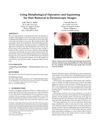
This study presents a new approach to automatically remove hair artifacts from dermoscopic images, which reportedly performed well compared to existing methods like DullRazor using the PH2 datasets.
 2 citations
,
May 2023 in “Experimental dermatology”
2 citations
,
May 2023 in “Experimental dermatology” In this study, researchers used advanced four-dimensional optical imaging techniques to observe changes in skin afflicted with acne, finding increased epidermal thickness, keratinized hair follicles, inflammation, and aggregated blood flow, helping to distinguish between inflammation and reparative phases of acne progression.
76 citations
,
January 2022 in “Journal of Tissue Engineering” This review summarizes recent progress in microneedle-based drug delivery systems and discusses their potential impact on cellular mechanisms and immunization signaling pathways, highlighting the need for further development in fabrication methods.
73 citations
,
February 2023 in “Polymers” This review discusses the unique properties, design, and fabrication of peptide hydrogels for biomedical applications, focusing on advances in drug delivery, gene therapy, and regenerative medicine; it reports no new clinical results.
30 citations
,
November 2024 in “ACS Materials Au” This article provides an overview of microneedle technology for transcutaneous drug delivery, discussing microneedle designs, materials, and activation methods that enhance drug stability and regulated release, and outlines considerations for their successful clinical implementation, such as biocompatibility and production cost.
23 citations
,
July 2021 in “Life” This review evaluates the potential benefits and mechanisms of blue light therapy for skin conditions like atopic dermatitis and acne, but highlights the need for further research on safety and clinical protocols.
14 citations
,
August 2017 in “International Journal of Immunopathology and Pharmacology” This case report describes a patient with painful skin lesions during sorafenib treatment whose symptoms improved after receiving photodynamic therapy, suggesting it might help manage similar refractory skin toxicity cases.
13 citations
,
December 2021 in “Molecules” This review discusses the potential uses of inorganic nanomaterials for imaging and detecting brain diseases, but reports no new experimental results; it calls for improvements in diagnosis precision and imaging accuracy.
11 citations
,
July 2024 in “Biomimetics” This manuscript explores the development and future potential of injectable biomimetic gels in biomedical applications, highlighting their promise in wound healing and tissue regeneration, while also acknowledging challenges like mechanical durability and scalable production still persist.
 10 citations
,
August 2023 in “Advanced Science”
10 citations
,
August 2023 in “Advanced Science” This review discusses nitric oxide's physiological roles and the development of strategies for delivering it exogenously, without presenting new clinical results.
7 citations
,
August 2025 in “Journal of Nanobiotechnology” This review highlights the potential of microneedles and nanomedicine in advancing tissue regeneration, emphasizing their innovative, localized, and minimally invasive approaches as promising solutions to current challenges in treating chronic wounds and degenerative diseases.
5 citations
,
May 2025 in “Pharmaceutics” In this review, researchers evaluated sericin-based drug delivery systems for antimicrobial, anticancer, and neurodegenerative treatments, highlighting its potential benefits and challenges related to molecular variability and formulation stability, suggesting future focus on optimizing extraction and integration with advanced biomedical technologies.
5 citations
,
August 2024 in “Skin Research and Technology” This study found that KLB and EIF3C are important in the progression of vitiligo and AA, suggesting they could be biomarkers and early diagnostic targets.
 4 citations
,
March 2013 in “InTech eBooks”
4 citations
,
March 2013 in “InTech eBooks” Confocal Laser Scanning Microscopy (CLSM) is a useful tool for studying how drugs interact with skin and diagnosing skin disorders, despite some limitations.
January 2026 in “Pharmaceutics” This review reports that biomaterial-based drug delivery systems show promise in overcoming the limitations of traditional therapies for pathological scars by integrating sustained drug release with minimally invasive transdermal technologies, potentially enhancing treatment efficacy for these challenging skin lesions.
 October 2025 in “Pharmaceutics”
 This study highlights the clinical potential of microneedles as an innovative transdermal drug delivery system for treating various skin diseases with minimal pain and high patient compliance.
 June 2024 in “Skin Research and Technology”
 In this study, researchers observed significant differences in microbial composition between UV-induced fluorescent and non-fluorescent scalp areas in patients with androgenetic alopecia, noting a higher abundance of Cutibacterium in the fluorescent regions.
April 2024 in “International journal of molecular sciences” This source reports that for treating keloids and hypertrophic scars, combination pharmacotherapy targeting multiple sites is generally more effective than using a single drug, though outcomes of individual therapies vary and the development of satisfying treatments is ongoing.
March 2021 in “Annals of palliative medicine” This meta-analysis found that plum-blossom needling, as an add-on therapy, provided moderate beneficial effects on hair regrowth in alopecia areata patients compared to conventional treatment alone.
 January 2008 in “대한피부과학회지”
 This study found that micropigmentation effectively improved the cosmetic appearance of scalp and eyebrow scars in 94% of patients, with the pigments remaining safely in the superficial dermis after one year.
5 citations
,
January 2019 in “Methods in molecular biology” In this study, researchers showed that multiphoton microscopy with fluorescent protein tagging enables single-cell imaging and tracking in live transgenic mice, offering new insights into cell dynamics in stem cell research compared to traditional histological methods.
2 citations
,
January 2023 in “Dermatologic Therapy” This study found that intradermal injections of autologous cell-free fat extract significantly improved the condition of postinflammatory hyperpigmentation patients, with high patient satisfaction and minimal adverse effects.
July 2023 in “AESTHETIC OROFACIAL SCIENCE” This article reviews the use of polydioxanone (PDO) threads for facial rejuvenation and reports no new clinical findings, highlighting their safety and potential for natural, durable results.
September 2023 in “Journal of the American Academy of Dermatology” This study found a high concordance between subject-reported and clinician-reported Fitzpatrick Skin Phototypes, but 14% of subjects misjudged their skin type, often overestimating it.
 21 citations
,
January 2023 in “Biomaterials Science”
21 citations
,
January 2023 in “Biomaterials Science” This study investigated the use of dissolving microneedle patches to improve the skin-lightening effects of alpha-arbutin and resveratrol, finding that the patches enhanced intradermal delivery and slightly decreased the melanin index without affecting skin hydration or causing irritation over 24 hours.
 26 citations
,
August 2019 in “Stem Cell Research & Therapy”
26 citations
,
August 2019 in “Stem Cell Research & Therapy” This study found that PBX1 enhances the proliferation and reprogramming of hair follicle mesenchymal stem cells by activating the AKT/GSK3β signaling pathway, promoting NANOG expression, and inhibiting apoptosis.
1 citations
,
January 2025 in “Regenerative Biomaterials” In this study, researchers found that exosomes derived from Pinctada martensii mucus can effectively inhibit melanin production in melanoma cells and zebrafish without adverse effects, potentially offering a promising therapeutic strategy for treating pigmentary disorders by modulating the NF-κB signaling pathway.
November 2024 in “Journal of Investigative Dermatology” Blocking the JAK/STAT pathway may help reduce skin sensitivity in Xeroderma pigmentosum.
4 citations
,
April 2022 in “Microorganisms” In this study, clinically used preoperative skin preparations with povidone iodine and chlorhexidine gluconate did not meet FDA log-reduction standards for bacterial bioburden in a porcine model, suggesting persistent infection risks.