 January 2025 in “Advanced Materials Interfaces”
 This study observed that tannic acid significantly reduced hair shedding by 56.2% over seven days in human participants when used as a coating for controlled release of active compounds to hair follicles.
 108 citations
,
November 2006 in “Phytomedicine”
108 citations
,
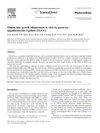
November 2006 in “Phytomedicine” This study found that EGCG from green tea may stimulate human hair growth by promoting the proliferation and anti-apoptotic activity in dermal papilla cells.
 2 citations
,
June 2017 in “Journal of biomedicine and translational research”
2 citations
,
June 2017 in “Journal of biomedicine and translational research” In this study, Oligonol® was shown to regulate gene expression related to cell proliferation and inflammation in human dermal papilla cells.
4 citations
,
June 2020 in “Processes” This study suggests that G. sibiricum has potent aldose reductase inhibitory activity, primarily due to kaempferol rhamnosides, and may be further explored as a natural treatment for diabetes-related complications.
11 citations
,
December 2021 in “Journal of Ginseng Research/Journal of ginseng research” This review discusses the chemical composition, potential health benefits, and extraction methods of red ginseng oil, and reports no new clinical results but emphasizes safety and proposed molecular mechanisms.
 February 2026 in “Materials”
 This study evaluated Humulus lupulus (hops) extract in cosmetic formulations and found it to maintain antioxidant and anti-irritant properties, reducing erythema by 10% after three weeks of use, supporting its potential for skin health improvement in plant-based cosmetics.
 1 citations
,
April 2023 in “Biomolecules”
1 citations
,
April 2023 in “Biomolecules” This study found that hair care products containing fermented papaya, fermented mangosteen, and caffeine significantly inhibited hair loss, increased hair density and thickness, and improved hair follicle structure in individuals with androgenic or diffuse alopecia over three months compared to placebo and caffeine controls.
 8 citations
,
February 2022 in “Molecules”
8 citations
,
February 2022 in “Molecules” This study found that Asparagus racemosus root extract significantly reduced facial sebum production and pore size in male volunteers, suggesting potential application as an anti-sebum ingredient in cosmetics.
January 2026 in “Advanced Science” In this study, a chronotherapeutic bilayer dressing system showed enhanced diabetic wound healing in a model by reducing inflammation through polyphenols and promoting repair with sustained PDGF-BB delivery, leading to faster re-epithelialization and hair follicle regeneration.

This study found that supercritical fluid extraction of germinated perilla seed significantly promoted hair follicle cell proliferation and gene expression related to hair growth, suggesting its potential as a natural treatment for hair loss.
 February 2024 in “Archiv EuroMedica”
 This review suggests that annurca apple extract, rich in polyphenols, may be a promising alternative for treating baldness, though further research is needed to clearly assess its effectiveness compared to existing treatments.
1 citations
,
March 2021 in “F1000Research” This review discusses plant-derived phytochemicals, such as phytosterols, polyphenols, and fatty acids, as potential alternatives to 5-alpha-reductase inhibitors for prostate cancer treatment, highlighting their promising anti-cancer properties and potentially fewer side effects compared to conventional drugs.
31 citations
,
January 2014 in “The Scientific World JOURNAL” This study found that the water extract of Eclipta prostrata L. may protect skin cells against UVB-induced damage, likely due to its antioxidant properties and absorption of UVA and UVB radiation.
4 citations
,
July 2025 in “Cosmetics” This review discusses the potential of olive mill wastewater as a valuable source of dermatological ingredients, highlighting its antioxidant and anti-inflammatory properties, but reports no new clinical results.
3 citations
,
August 2024 in “Cosmetics” This study found that a 12-week regimen of a botanical supplement significantly improved skin and scalp health in women exposed to high pollution, enhancing factors like skin radiance, moisturization, and reducing wrinkle depth and scalp redness compared to a placebo.
2 citations
,
June 2025 in “International Journal of Molecular Sciences” In this study, Carthamus caeruleus root juice exhibited in vitro anti-inflammatory effects by stabilizing human erythrocyte membranes and inhibiting albumin denaturation, as well as showing potential inhibition of COX-2 through in silico analysis; however, further research is needed to confirm efficacy and mechanisms.
1 citations
,
July 2025 in “Cosmetics” This review highlights the multifunctional benefits of plant-derived ingredients in skincare, such as antioxidant and anti-inflammatory effects, supported by biological evidence from medicinal plants like Camellia sinensis and Panax ginseng, suggesting their potential as natural dermocosmetic agents.
May 2025 in “Preprints.org” This review discusses the potential of olive mill wastewater as a sustainable source of dermatological ingredients with antioxidant and regenerative properties but reports no new clinical findings.
5 citations
,
December 2023 in “Materials” This review paper highlights the development and application of organic and biogenic nanocarriers for delivering bioactives, focusing on eco-friendly and sustainable nanotechnology strategies while addressing challenges like toxicity and paving the way for future innovations in green solution approaches.
2 citations
,
May 2025 in “Antioxidants” This study examined the phytochemicals and antioxidant activities of methanolic extracts from Cameroonian Prunus africana bark and Leea indica and Paullinia pinnata leaves, identifying various phenolic compounds and significant antioxidant properties through multiple assays.
1 citations
,
November 2025 in “Molecules” This review highlights the potential of ellagic acid for treating various skin conditions due to its antioxidant, anti-inflammatory, and depigmenting properties, but notes that novel formulations are needed to overcome its poor solubility and skin permeability to enhance clinical efficacy.
 July 2026 in “Antioxidants”
 This review identifies agri-food by-products as promising sources of antioxidant compounds for cosmeceutical applications, examining their potential for skin, oral, and hair care, while noting the need for further research on safety and clinical efficacy.
This review found that exposure to pollutants like PM, NOx, and PAHs is linked to various skin and hair disorders, indicating a need for cosmetics with natural adsorbents to reduce pollutant effects, achieving 30-55% removal efficiency.
 August 2025 in “Nutrients”
 This Mendelian randomization study found that specific dietary patterns, such as consuming antioxidant-rich foods like melon and tea, may have protective effects against hair loss, while processed carbohydrates, alcohol, and certain dairy products could increase the risk of androgenetic alopecia and alopecia areata.
January 2023 in “Applied sciences” This study suggests that Equisetum debile extracts, particularly the ethyl acetate fraction, may offer natural cosmeceutical benefits for treating hyperpigmentation, delaying skin aging, and remediating hair loss due to androgenic alopecia.
14 citations
,
July 2017 in “Pakistan Journal of Zoology” Fenugreek leaf extracts significantly promoted hair growth in mice with alopecia.
45 citations
,
July 2022 in “Frontiers in Pharmacology” This review discusses the mechanisms and targets of natural products for treating nonhealing wounds and reports no new experimental results, highlighting potential pathways and cytokines involved.
8 citations
,
July 2021 in “F1000Research” This review discusses the potential of plant-derived phytochemicals as alternatives to 5-alpha-Reductase inhibitors in treating prostate cancer, highlighting possible benefits like reduced side effects, but it reports no new findings.
 7 citations
,
January 2022 in “Plants”
7 citations
,
January 2022 in “Plants” This study found that extracts from the rice variety Bue Bang 3 CMU, particularly the husk and bran, demonstrated antioxidant, anti-inflammatory, and anti-androgenic properties, suggesting potential use in treating androgenetic alopecia.
1 citations
,
April 2022 in “Applied sciences” This study reports the development of a microemulsion using Momordica charantia extract, which demonstrated strong antioxidant and 5α-reductase inhibitory activity, potentially aiding hair loss management. The microemulsion was stable over 12 weeks, suggesting its future potential for cosmetic or pharmacological applications.