 1 citations
,
August 2023 in “Bioengineering”
1 citations
,
August 2023 in “Bioengineering” This review explores the potential benefits of platelet-rich plasma for anti-aging and tissue regeneration, especially in orthopedic applications like osteoarthritis, but it reports no new clinical results.
 August 2025 in “Benha Medical Journal”
 This systematic review found that platelet-rich plasma significantly improved hair density and count in androgenetic alopecia patients compared to controls, with minimal adverse effects reported.
 July 2023 in “Journal of Cutaneous and Aesthetic Surgery”
 This review suggests that combining PRP with minoxidil may be more effective for promoting hair growth in androgenetic alopecia than using either treatment alone, although study variations limit definitive conclusions.
 June 2023 in “Journal of Cosmetic Dermatology”
 This study found that a combination therapy of autologous platelet-rich plasma and non-cross-linked hyaluronic acid increased hair density significantly in women with female androgenetic alopecia, without serious adverse effects.
 January 2019 in “Georg Thieme Verlag eBooks”
 This review suggests that platelet-rich plasma therapy shows promise for androgenetic alopecia and may be effective for some alopecia areata and cicatricial alopecia cases, but more robust trials are needed.
 January 2016 in “Hematology & Transfusion International Journal”
 This study reported that three months of platelet-rich plasma injections improved hair counts, thickness, root strength, and overall alopecia in patients with androgenic alopecia, with no major adverse effects.
 9 citations
,
August 2020 in “Journal of The American Academy of Dermatology”
9 citations
,
August 2020 in “Journal of The American Academy of Dermatology” This article discusses the therapeutic use of platelet-rich plasma (PRP) in dermatology, specifically its challenges and potential in treating conditions like lichen planopilaris, but reports no new findings.
1 citations
,
January 2021 in “Indian Dermatology Online Journal” This expert group provided recommendations for preparing and using platelet-rich plasma in treating androgenetic alopecia, suggesting a manual double-spin method and specific dosing, although further studies on injectable platelet-rich fibrin are needed.
 June 2024 in “Skin Appendage Disorders”
 In this study, injections of PRP and MZT products significantly improved hair thickness, density, and count in AGA patients over six months, with variability observed in the extent of improvement between different formulations.
 88 citations
,
December 2012 in “Journal of The European Academy of Dermatology and Venereology”
88 citations
,
December 2012 in “Journal of The European Academy of Dermatology and Venereology” This study found that interfollicular injection of autologous CD34+ cell-containing PRP preparation improved hair count and thickness in patients with pattern hair loss, with better results than placental extract treatment.
 19 citations
,
May 2017 in “Dermatologic Surgery”
19 citations
,
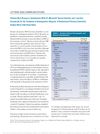
May 2017 in “Dermatologic Surgery” Combining platelet-rich plasma with 5% minoxidil solution improves hair regrowth in androgenetic alopecia patients.
 5 citations
,
December 2018 in “Journal of Cosmetic Dermatology”
5 citations
,
December 2018 in “Journal of Cosmetic Dermatology” This study found that after treatment with platelet-rich plasma, male androgenetic alopecia patients showed significant improvements in hair count, hair diversity, and reduction in certain dermoscopic features.
 4 citations
,
January 2015 in “Journal of clinical & experimental dermatology research”
4 citations
,
January 2015 in “Journal of clinical & experimental dermatology research” This study observed a slight improvement in hair density in men with androgenetic alopecia treated with autologous platelet rich plasma, but only two cases showed cosmetic improvement.
 2 citations
,
August 2023 in “Journal of Cutaneous Medicine and Surgery”
2 citations
,
August 2023 in “Journal of Cutaneous Medicine and Surgery” This study concluded that platelet-rich plasma is effective and safe for increasing hair density in androgenetic alopecia, showing significant improvement compared to placebo at 3 and 6 months.
 1 citations
,
December 2017 in “Journal of clinical and investigative dermatology”
1 citations
,
December 2017 in “Journal of clinical and investigative dermatology” This study reports on the clinical and dermoscopic diagnosis process for androgenic alopecia in patients at Zagazig University Hospitals but includes no new treatment findings.
September 2026 in “Aesthetic Surgery Journal” This study found that autologous non-activated platelet-rich plasma (A-PRP) was effective and safe for treating androgenetic alopecia, showing long-term improvement in hair density, thickness, and count.
 September 2025 in “Journal of Maxillofacial and Oral Surgery”
 This study found that combining PRP with concentrated growth factors was more effective than PRP alone in promoting hair regrowth for patients with androgenetic alopecia.
 May 2025 in “IP Indian Journal of Clinical and Experimental Dermatology”
 This study compared the effectiveness of platelet-rich plasma therapy versus microneedling in treating androgenetic alopecia, focusing on which modality provides better outcomes for hair regrowth. Results are not reported in the abstract.
 April 2024 in “Skin research and technology”
 This study found that combining a single SVF injection with PRP sessions did not significantly enhance hair growth outcomes compared to PRP injections alone in patients with androgenetic alopecia.
 January 2024 in “Journal of Cosmetic Dermatology”
 This systematic review found that platelet-rich plasma may increase hair density and count in male androgenetic alopecia, though limitations in study quality and consistency suggest further research is needed.
 January 2022 in “Springer eBooks”
 Using micrografts with stem cells and platelet-rich plasma can safely and effectively help regrow hair.
 April 2021 in “Journal of Investigative Dermatology”
 This study explored the use of an AI-driven device, HairMetrix, to quantitatively assess the effects of PRP treatments on scalp health in two Caucasian women with androgenetic alopecia, reporting increases in average hair width and follicle count after one treatment.
In this observational and interventional study conducted in Dhaka, Bangladesh, PRP treatment led to clinical improvements in hair count, thickness, and density among 20 out of 30 male patients with androgenetic alopecia, with significant statistical support (p-value 0.00) following 2-3 treatment sessions.
January 2014 in “프로그램북(구 초록집)” This study found that platelet-rich plasma injections followed by mesotherapy improved hair count and thickness in alopecia patients, with no significant side effects reported.
January 2013 in “프로그램북(구 초록집)” This study found that sequential treatment with platelet-rich plasma injection followed by mesotherapy may promote hair growth in various alopecia cases, showing clinical improvement in hair count and thickness.
December 2022 in “Plastic and Reconstructive Surgery” In this study, PRPF treatment was more effective than PRP alone in improving hair count and hair quality in androgenetic alopecia patients, with PRPF showing significant improvements in various hair growth parameters and having no statistical differences observed in the placebo group.
 August 2019 in “Journal of The American Academy of Dermatology”
 Platelet-rich plasma helps hair regrowth and improves quality of life in women with hair loss, but minoxidil may be more effective.
July 2016 in “IP Indian journal of clinical and experimental dermatology” In this study, platelet rich plasma treatment showed efficacy in improving hair count, thickness, and density in male patients with androgenetic alopecia.
34 citations
,
January 2022 in “Human Reproduction Open” This study found no clinically significant effects of intraovarian injection of platelet-rich plasma on ovarian function over one year in patients with extremely low functional ovarian reserve.
 2 citations
,
January 2018 in “Journal of clinical & experimental dermatology research”
2 citations
,
January 2018 in “Journal of clinical & experimental dermatology research” This study suggests that AT-ASCs significantly improve terminal and intermediate hair counts and hair caliber in androgenetic alopecia more than PRP, though with more side effects like headache and erythema.