75 citations
,
September 2016 in “EMBO journal” This study found that PRC2 plays a crucial role in maintaining intestinal homeostasis by supporting progenitor cell proliferation and limiting secretory lineage differentiation.
 10 citations
,
August 2020 in “Journal of Bioscience and Bioengineering”
10 citations
,
August 2020 in “Journal of Bioscience and Bioengineering” This study reports that using activated platelet-rich plasma releasate in the preparation of bioengineered hair follicle germs enhanced follicular gene expression and significantly improved hair regeneration in vitro.
 1 citations
,
January 2025 in “OBM Geriatrics”
1 citations
,
January 2025 in “OBM Geriatrics” This study highlights the role of platelets in immune interactions and severe adenovirus infection, noting that activated platelets have a shorter lifespan. Results suggest potential for developing therapies targeting platelet senescence and immunologic mechanisms.
1 citations
,
December 2021 This study concluded that cutaneous lymphocytosis in cats appears to have a reactive nature with prolonged survival, while in dogs, it is more variable with clonality differences and treatment response.
89 citations
,
May 2005 in “Stem Cells” This study found that keratinocyte stem cells in mouse skin are closely related to side population or BCRP1-positive cells based on their localization and marker expression.
 3 citations
,
January 2019 in “Skin appendage disorders”
3 citations
,
January 2019 in “Skin appendage disorders” This case report describes a patient with primary cutaneous follicle center lymphoma who developed an alopecic atrophic patch potentially due to pressure, following rituximab treatment.
1 citations
,
January 2021 This source reports that platelet-rich plasma may be as effective as intralesional corticosteroids for treating patchy alopecia areata, with potential for earlier and more sustained results, while promising in vitro and animal studies on stem cells highlight the need for more clinical research.
 January 2023 in “Annali di stomatologia”
 This review traces the development and application of Platelet-rich Plasma in regenerative medicine, emphasizing its role in tissue healing and bone regeneration, but reports no new clinical results.
November 2022 in “Journal of Investigative Dermatology” This study provides evidence that ILC1-like cells can induce alopecia areata in previously healthy human hair follicles, challenging the view that it is solely an autoantigen-dependent autoimmune disease.
1 citations
,
April 2021 in “Journal of the American Academy of Dermatology” This retrospective review found that platelet-rich plasma products from FDA-cleared devices for alopecia were inconsistent, highlighting a need for more detailed examination of preparation methods.
6 citations
,
November 2020 in “Annals of Plastic Surgery” In this study, co-administering adipose-derived stem cells with platelet-rich plasma reduced radiation therapy-induced skin and hair follicle damage in mice, suggesting potential for clinical application.
January 2014 in “Institutional Repositories DataBase (IRDB)” The study observed that cell spheres formed from mesenchymal cells of newborn mice skin exhibited upregulation of markers linked to hair follicle regeneration, suggesting a potential hibernation-like state for maintaining viability.
April 2012 in “Cancer Research” This study reports that bone marrow derived cells can become a source of epithelial cells in tumor development, contributing significantly to skin lesions like papillomas and ulcers in a skin carcinogenesis model.
This review analyzed literature on primary cutaneous lymphomas involving the scalp, finding that scalp involvement in these cases often leads to non-scarring focal alopecia and may indicate more aggressive disease.
 May 2021 in “Clinical Endoscopy”
 This study found that adding platelet-rich plasma to standard treatment reduced rebleeding in patients with peptic ulcer bleeding compared to additional epinephrine injections.
1 citations
,
July 2024 in “Journal of Investigative Dermatology” Plaquenil can cause a severe skin reaction called AGEP, requiring prompt diagnosis and treatment.
12 citations
,
June 2025 in “Gut Microbes” This study developed BroadAMP-GPT, a computational-experimental framework, to discover new antimicrobial peptides, identifying candidates effective against multidrug-resistant pathogens. Notably, AMP_S13 showed strong stability, low toxicity, and efficacy in infection models, highlighting the platform's potential in combating antimicrobial resistance.
2 citations
,
December 2020 in “Developmental cell” In this study, DNA cross-linking agents used in cancer therapy were found to cause unintended hyperplasia and fate mis-specification in normal epithelial stem cells through inflammasome activation in dermal fibroblasts.
3 citations
,
April 2023 in “Dermatologica Sinica” This study found that platelet-rich plasma treatment was an effective and safe option for reducing severity in patients with mild patch-type alopecia areata.
 January 2026 in “Forum Dermatologicum”
 This article reviews the regenerative benefits of platelet-rich plasma in various medical fields, particularly in dermatology and aesthetic medicine, without presenting new clinical data.
7 citations
,
December 2016 in “Journal of the American Academy of Dermatology” In this study, researchers found that patients with alopecia areata had a significant increase in NKG2D+CD4+ T cell levels in their blood compared to healthy controls.
May 2017 in “The journal of investigative dermatology/Journal of investigative dermatology” In this study, researchers found potential evidence of inducible skin-associated lymphoid tissue (iSALT) in alopecia areata patients undergoing topical immunotherapy, which may suggest an essential role in treatment efficacy.
 April 2023 in “Journal of Investigative Dermatology”
 This study found that alopecia areata patients have higher odds of certain comorbidities like ulcerative colitis and vitiligo, while showing lower odds for conditions like hypertension and type 2 diabetes compared to healthy controls.
91 citations
,
January 2010 in “Journal of Allergy and Clinical Immunology” This review explores the emerging roles of NK cells in various diseases, including allergies and skin conditions, and reports no new clinical results while indicating NK cell involvement in immune processes.
This study found that innate lymphoid cells-type 1 (ILC1lc) can induce alopecia areata (AA) by disrupting hair follicle immune privilege and causing hair follicle dystrophy and regression in both ex vivo and in vivo settings.
 2 citations
,
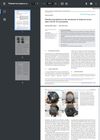
May 2023 in “Clinical case reports”
2 citations
,
May 2023 in “Clinical case reports” In this case report, a 34-year-old woman developed severe alopecia areata after her second COVID-19 vaccination, but her hair fully recovered following six platelet-rich plasma treatments, highlighting PRP as a potential alternative for patients who cannot tolerate or do not respond to corticosteroids.

In this study, researchers developed de novo designed hetero-bifunctional proteins as an alternative approach for targeted protein degradation, successfully targeting BCL-xL for degradation in cells and inducing apoptosis, which may expand the range of addressable E3 ligases and disease targets.
 123 citations
,
September 1987 in “JAMA”
123 citations
,
September 1987 in “JAMA” This study observed that patients receiving IL-2 immunotherapy developed a skin eruption characterized by burning and pruritus, which resolved shortly after stopping the infusion, suggesting that IL-2 mediated these effects.
 June 2020 in “Journal of cosmetic medicine”
 This study found that TriCell CD34 + cell-containing PRP injections improved hair thickness and density in patients with alopecia after three months of treatment, with no special side effects reported.
 February 2024 in “Dermatologic Surgery”
 This review discusses the evidence for platelet-rich plasma in hair restoration and skin rejuvenation, highlighting its benefits but noting a lack of consensus on best practices and protocols.