 August 2025 in “International Journal of Molecular Sciences”
 This study found that sulforaphane-rich broccoli sprout extract significantly accelerated hair regrowth in a mouse model of androgenetic alopecia, suggesting its potential as a safe and effective natural therapy.

In this clinical trial, the researchers observed that a biotin and silica supplement reduced hair fall, increased hair growth rate, and improved skin elasticity, hydration, and nail quality over 90 days without adverse effects.
In this study, perilla seed extract obtained through supercritical fluid extraction was found to promote hair follicle cell proliferation and downregulate key genes linked to androgenetic alopecia, showing potential as a natural treatment for hair loss in vitro.

This study found that supercritical fluid extraction of germinated perilla seed significantly promoted hair follicle cell proliferation and gene expression related to hair growth, suggesting its potential as a natural treatment for hair loss.
This preclinical study found that finasteride withdrawal in rats caused inflammation in the gut and hypothalamus, while allopregnanolone treatment partially reduced these effects, suggesting potential therapeutic benefits for post-finasteride syndrome.
 June 2025 in “Frontiers in Bioengineering and Biotechnology”
 In this study, the researchers observed that a recombinant human collagen complex with nicotinamide promoted hair growth in rat models, increased hair follicle stem cell survival, and enhanced key protein expression, suggesting potential benefits for hair health and loss prevention.
 June 2025 in “Journal of Cluster Science”
 This review explores the potential of metal nanoparticles as innovative treatments for alopecia, highlighting their effectiveness in promoting hair regrowth, enhancing drug delivery, and modulating gene expression while also assessing the related experimental methodologies and regulatory considerations.
 May 2025 in “International Journal of Molecular Sciences”
 This study found that exosomes and secretome derived from rat hair follicle stem cells show promising potential for wound healing and tissue repair, demonstrating significant wound closure and suggesting their broader applicability in regenerative medicine.
 May 2025 in “Clinical Cosmetic and Investigational Dermatology”
 In this clinical study, the researchers found that a standardized wheat polar lipid complex, in both oil and powder form, significantly reduced hair shedding and improved hair growth in 99 women with acute telogen effluvium over 56 to 84 days.
January 2025 in “International Journal of Molecular Sciences” In this study, researchers found that fenugreek seed extract reduced prostate size, DHT levels, and cell proliferation in a testosterone-induced BPH rat model while modulating various genetic expressions, suggesting its potential as an alternative treatment for benign prostatic hyperplasia.
 November 2024 in “Applied Sciences”
 This study suggests that a supercritical CO2 extract from wild-strawberry-processing waste may be an innovative and sustainable ingredient for cosmetic applications, particularly in treating androgenic-related skin conditions.
 November 2024 in “Plants”
 This study found that ethanolic extracts of Buebang 3 CMU may promote hair growth and prevent hair loss more effectively than minoxidil by enhancing bioactive compounds and activating key signaling pathways.

This study reports that Hair RiseTM microemulsion, made from plant extracts, significantly enhanced hair follicle cell growth and improved hair growth signaling pathways, suggesting it as a plant-based alternative for androgenetic alopecia treatment.
June 2024 in “Ecotoxicology and Environmental Safety” This study observed that chronic and acute exposure to finasteride negatively impacted development, reproduction, and gene expression in Daphnia magna, highlighting the environmental risks of this pharmaceutical for freshwater ecosystems.
 May 2024 in “BMC veterinary research”
 In this study, researchers observed that metabolite expression patterns, including sugars, lipids, amino acids, and nucleotides, affect hair follicle growth in cashmere goats, with feeding practices potentially influencing these cycles via hormone and vitamin levels.

Ganoderma lucidum extract may help treat stress-related hair loss.
This study developed a mathematical model using hair biomarkers (levels of Mg, K, Fe, Al, Cr) to noninvasively predict iron content in Hereford cattle muscle tissue, potentially improving livestock management and meat quality.
 February 2024 in “Journal of Cellular and Molecular Medicine”
 In this study using rat models, researchers developed a Pluronic@F-127 hydrogel to deliver the flavonoid pectolinarin, finding it accelerates wound healing and reduces scar formation by enhancing cell migration, proliferation, and antioxidant activity.
 January 2024 in “Biotechnology advances”
 This review highlights the importance of selecting high-quality bioassays in discovering bioactive compounds from marine sources, emphasizing their role in evaluating safety and efficacy during pharmaceutical, food supplement, and cosmetic development.
November 2023 in “Cosmetics” This study evaluated the protective effects of a hair conditioner containing rice derivatives on natural Caucasian hair using various analysis methods and found that the conditioner, especially with rice germ oil GX-N, effectively improved hair properties even under stress conditions like irradiation.
 November 2023 in “ACS Omega”
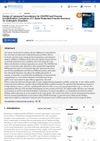
 This study reported that a novel cationic liposome formulation for delivering encapsulated Cas9 protein and sgRNA successfully decreased SRD5α2 mRNA expression by 29.7% in vitro, suggesting a potential alternative treatment option for conditions like prostate cancer and benign prostatic hyperplasia without current drug side effects.

In this study, the SFE-4 extract from coffee pulp demonstrated potential effects for treating androgenetic alopecia by enhancing cell proliferation and gene expression related to hair growth pathways in vitro, using human hair follicle dermal papilla and prostate cancer cells.
October 2023 in “Journal of Mind and Medical Sciences” This review discusses the current state of early diagnosis and targeted therapy for gastric cancer, emphasizing the benefits of minimally invasive surgical approaches and suggesting future advancements may improve prevention and treatment without major lifestyle changes.
 April 2023 in “Clinical Chemistry and Laboratory Medicine”
 The document concludes that inflammation markers can be used in diabetes, vitamin D3 affects immune pathways, hyperthyroidism changes hormone levels, androgen levels help diagnose Adrenocortical Carcinoma, erectile dysfunction is linked to diabetes, hypogonadism is common in HIV-infected males, and hormones can be biomarkers for various conditions.
 December 2022 in “BMC women's health”
 In this pilot study, the CNC® device improved body image perceptions in patients with chemotherapy-induced alopecia but did not significantly affect psychological wellbeing; it may help prevent discomfort and enhance everyday life compared to traditional wigs.
 January 2022 in “Sustainable development goals series”
 The document concludes that significant investment in agricultural innovation is necessary to achieve global food security and nutrition.
January 2021 in “Annals of translational medicine” This study found that the YH0618 decoction reduced chemotherapy-induced nail discoloration, alopecia, skin hyperpigmentation, and fatigue in cancer patients who completed chemotherapy.
 September 2017 in “Asian Journal of Beauty and Cosmetology”
 This review discusses recent evidence on the Notch signaling pathway's role in regulating hair follicle development and stem cell differentiation, but provides no new research findings.
October 2022 in “Biomolecules” This study found that in male rats, chronic finasteride treatment reduced allopregnanolone levels, which, upon drug withdrawal, correlated with increased pro-inflammatory cytokines and altered neurotransmitter levels.
 3 citations
,
December 2022 in “Cells”
3 citations
,
December 2022 in “Cells” This review examines the role of cannabinoid compounds in treating various skin conditions and suggests their potential as systemic and topical therapies, but it reports no new experimental results.