17 citations
,
June 2022 in “Frontiers in Nutrition” This study found that fermented Flammulina velutipes polysaccharides showed higher antioxidant and anti-inflammatory capacities than non-fermented ones, suggesting potential use in functional foods and health products.
 August 2022 in “IntechOpen eBooks”
 This review discusses treatments for frontal fibrosing alopecia and lichen planopilaris, noting that systemic 5-alpha reductase inhibitors are most effective for stabilization and potential hair regrowth, but reports no new clinical results.
 4 citations
,
June 2022 in “Journal of Cosmetic Dermatology”
4 citations
,
June 2022 in “Journal of Cosmetic Dermatology” This study suggests that dermal fibroblast-conditioned medium containing multi-peptide factors may stimulate hair growth by enhancing growth factor expression and β-catenin regulation in hair follicle cells.
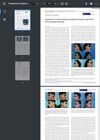 November 2023 in “Journal of cosmetic dermatology”
 This report describes three cases of erythromelanosis follicularis faciei et colli showing significant improvement in facial telangiectasia following treatment with a 595-nm pulsed dye laser, with minimal recurrence observed during follow-up.
13 citations
,
June 2014 in “Molecular therapy” This study found that a lentiviral array of reporters can identify lineage-specific promoters and pathways in mesenchymal stem cell differentiation, aiding in the prediction of signaling pathway effects.
January 2012 in “RepositóriUM (Universidade do Minho)” This study reported that a modified nanoprecipitation protocol can effectively create PLA nanoparticles capable of delivering compounds into hair follicles, with promising potential for hair follicle therapy and cosmetic applications.
 16 citations
,
June 2015 in “Pediatric dermatology”
16 citations
,
June 2015 in “Pediatric dermatology” This review discusses lichen planopilaris in children and highlights its rarity, potential for misdiagnosis, and need for suspicion in atypical or treatment-resistant alopecia cases, but reports no new results.
 34 citations
,
May 2017 in “Lasers in Surgery and Medicine”
34 citations
,
May 2017 in “Lasers in Surgery and Medicine” This study found that combining low-level light therapy with topical minoxidil 5% may lead to better hair regrowth and patient satisfaction in treating female pattern hair loss compared to using each treatment alone.
 19 citations
,
December 2015 in “Journal of Materials Chemistry B”
19 citations
,
December 2015 in “Journal of Materials Chemistry B” This study found that using layer-by-layer encapsulation techniques on dermal papilla cells can support their function and may help treat hair loss when used in conjunction with freshly isolated epidermal cells.
 April 2023 in “IP Indian journal of clinical and experimental dermatology”
 This article reviews the pathogenesis, complications, and management of lichen planus, especially its persistent oral form, and highlights the need for further prospective studies.
September 2012 in “Turkish Journal of Dermatology” In this case report, a 17-year-old with systemic lupus erythematosus showed improvement in erythema multiforme-like lesions after treatment with methylprednisolone.
3 citations
,
January 2017 in “Acta Dermato Venereologica” This study found that a specific T-cell receptor motif associated with lipid-antigen stimulation may play a role in the pathogenesis of folliculotropic mycosis fungoides.
12 citations
,
January 2016 in “Skin Appendage Disorders” This study reports an association between frontal fibrosing alopecia and lupus erythematosus, noting progressive alopecia in the frontotemporal hairline despite treatment with hydroxychloroquine.
February 2022 in “Brazilian Journal of Health Review” In this study, researchers found that among women with frontal fibrosing alopecia and hyperpigmented facial lesions, most cases were diagnosed with lichen planus pigmentosus, while some were identified as melasma or drug-induced.
136 citations
,
July 2014 in “Proceedings of the National Academy of Sciences of the United States of America” This study identified mutations in the FGF5 gene as a cause of extreme eyelash growth in Pakistani families, highlighting a potential target for regulating eyelash growth.
April 2012 in “The FASEB Journal” In this study, researchers observed that knocking down the LPA 4 receptor in zebrafish embryos led to vascular and lymph vessel development abnormalities, including edema and decreased heartbeats.
January 2025 in “Indian Journal of Dermatopathology and Diagnostic Dermatology” In this case report, a rare instance of Graham–Little–Piccardi–Lassueur syndrome coexisting with linear lichen planus was identified in a 35-year-old male, highlighting the condition's rarity in males, with dermoscopy aiding diagnosis through distinctive scalp and trunk lesion features.
 April 2025 in “Jurnal Sains dan Teknologi Farmasi Indonesia”
 This study found that a nanostructured lipid carrier gel containing Minoxidil and Finasteride met desired criteria for stability and performance, suggesting it may be an effective topical treatment for hair loss, especially in extreme conditions.
 1 citations
,
July 2021 in “Curēus”
1 citations
,
July 2021 in “Curēus” This case report describes a rare occurrence of lichen planopilaris in a nine-year-old child, emphasizing the need for awareness of this condition in the pediatric population.
7 citations
,
April 2019 in “Animal biotechnology” This study observed that POMP is strongly expressed in the root sheath hair follicles of Liaoning Cashmere goats and its expression can be regulated by certain factors, which may influence cashmere growth.
February 2026 in “JEADV Clinical Practice” This report describes a rare case of scarring alopecia, diagnosed as lichen planopilaris (LPP), affecting solely the limbs, highlighting the necessity for thorough evaluation of LPP beyond the scalp.
2 citations
,
November 2023 in “Indian Dermatology Online Journal” In this case report, a 4-year-old Indian girl with linear and annular lupus panniculitis of the scalp achieved complete remission and hair regrowth with oral corticosteroids, showing no relapse after 6 months of follow-up.
 May 2024 in “Australasian journal of dermatology”
 This study reports on a unique clinical presentation of folliculotropic mycosis fungoides in a 60-year-old man, highlighting complexities in diagnosis due to dense histiocytic infiltration, which led to xanthoma formation before treatment, and obscured lymphomatous features.
 24 citations
,
January 2015 in “Evidence-based Complementary and Alternative Medicine”
24 citations
,
January 2015 in “Evidence-based Complementary and Alternative Medicine” In this study, Polygonum multiflorum Radix promoted hair growth in mice, with oral administration being more effective, likely through FGF-7, while topical application favored SHH-related mechanisms.
 91 citations
,
May 2003 in “American Journal of Pathology”
91 citations
,
May 2003 in “American Journal of Pathology” This study found that prolactin and its receptor are expressed in the murine hair follicle epithelium, influencing hair cycle phases by down-regulating keratinocyte proliferation during anagen and inducing premature catagen.
January 2026 in “China CDC Weekly” This study explored using large language models to automatically identify monkeypox cases from electronic medical records, finding that models based on DeepSeek features performed better than traditional methods, with logistic regression showing high accuracy in detecting key symptoms like fever and rash.
 April 2023 in “Research Square (Research Square)”
 This study found that melatonin-mediated lncRNA018392 accelerated cell proliferation and inhibited apoptosis in cashmere goat skin fibroblasts by upregulating the expression of the nearby gene CSF1R.
 14 citations
,
November 2020 in “International Journal of Biological Macromolecules”
14 citations
,
November 2020 in “International Journal of Biological Macromolecules” This study found that Flammulina velutipes polysaccharides-derived scaffolds greatly enhanced wound healing and hair follicle regeneration in a rat model, particularly with the FPS/NaOH variant showing the best results.
 February 2026 in “International Journal of Molecular Sciences”
 This study found that PDLLA filler treatment may help combat age-related hair thinning by reducing oxidative stress and enhancing hair follicle function in both cell and animal models.
 11 citations
,
May 2023 in “Journal of Cutaneous Medicine and Surgery”
11 citations
,
May 2023 in “Journal of Cutaneous Medicine and Surgery” This study found that combining plasma rich in growth factors with conventional treatment significantly improved hair regrowth and reduced symptoms in patients with frontal fibrosing alopecia compared to conventional treatment alone.