11 citations
,
February 2025 in “Journal of Science Advanced Materials and Devices” This study reported that nanofibrous scaffolds made from a PVA and flaxseed extract combination showed enhanced antimicrobial activity and significantly better wound healing in vitro compared to pure PVA fibers.
 October 2023 in “International journal of biology, pharmacy and allied sciences”
 This study reviews previous research on Lawsonia inermis Linn., commonly known as henna, to evaluate its potential for enhancing wound healing, given concerns about the adverse effects and resistance associated with synthetic antibiotics and antimicrobials.
 15 citations
,
January 2016 in “Journal of cell science & therapy”
15 citations
,
January 2016 in “Journal of cell science & therapy” This study found that autologous micro-grafts improved wound healing and reduced pain in leg ulcers unresponsive to routine treatments within one week, lasting up to a month.
 July 2019 in “Acta horticulturae”
 This study suggests that horticultural therapy may help cancer patients identify their experience of hair loss and regrowth with personal growth and emotional healing.
166 citations
,
February 2020 in “Advanced Functional Materials” This study reports that a novel programmable device delivering VEGF through miniaturized needles significantly improved healing outcomes in diabetic mice's chronic wounds compared to traditional topical treatments.
 4 citations
,
April 2022 in “International Journal of Biological Macromolecules”
4 citations
,
April 2022 in “International Journal of Biological Macromolecules” In this study, researchers reported that wound dressings made from bacterial cellulose composites modified with soybean protein (BC/7S and BC/11S) improved wound healing and reduced scarring in rat models, with BC/11S showing superior outcomes.
22 citations
,
June 2021 in “Plants” This study found that a methanolic extract of Sterculia foetida seeds demonstrated significant thrombolytic, anti-arthritic, analgesic, and antipyretic activities, with moderate cytotoxic effects in vitro and in vivo.
 March 2025 in “Formosa Journal of Sustainable Research”
 In this study involving male mice, Mangkokan leaf extract (Polyscias scutellaria) at a 7% concentration was found to heal incision wounds faster compared to 3% and 5% concentrations.
 68 citations
,
March 2018 in “Biomaterials”
68 citations
,
March 2018 in “Biomaterials” This study found that fibronectin nanofiber dressings, made using rotary jet spinning, accelerated wound healing and improved tissue restoration in a full-thickness wound mouse model.
1 citations
,
August 2025 in “Bioengineering” In this study, the combination of full-thickness skin column grafts and the TSN6 peptide improved wound healing quality in pigs by enhancing epidermal maturation compared to other treatments.
October 2025 in “Lithuanian University of Health Sciences” This study documented 81 plant species used traditionally in Lithuania's Šiauliai District for treating skin diseases and cosmetic purposes, highlighting the continued relevance of plant-based remedies and the market demand for natural products.
 April 2024 in “Chemical engineering journal”
 In this study, a novel injectable hydrogel with antibacterial and hemostatic properties showed promise in promoting the healing of MRSA-infected skin wounds.
 April 2026 in “Biomedicines”
 This study introduces a novel holistic treatment approach for keloid that combines systemic therapies, including Traditional Chinese Medicine, with local interventions to target the inflammatory microenvironment and keloid predisposition for improved management and prevention of recurrence.
This study found that in the San Plácido parish of Ecuador, various medicinal plants were widely used by locals for treating common ailments, with the most utilized species being Matricaria chamomilla L. and Mentha rotundifolia L.
 1 citations
,
January 2021 in “Wiadomości Lekarskie”
1 citations
,
January 2021 in “Wiadomości Lekarskie” This experimental study on male rats found that a gel containing carbon dioxide extract of hops effectively promoted wound healing in severe acne by enhancing skin regeneration and exhibiting anti-inflammatory, bactericidal, and antimycotic properties.
 June 2026 in “bioRxiv (Cold Spring Harbor Laboratory)”
 This study tested a microneedle patch on rabbit and pig models to support skin regeneration, revealing that the treatment accelerated wound closure, reduced scar formation, and promoted hair-bearing tissue and follicle growth, suggesting a trauma-guided framework for skin restoration.
 3 citations
,
May 2024 in “Journal of Drug Delivery and Therapeutics”
3 citations
,
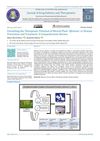
May 2024 in “Journal of Drug Delivery and Therapeutics” This review examines the therapeutic potential of Aftimoon (Cuscuta reflexa), focusing on its pharmacological properties and traditional uses in Unani medicine for various ailments, and highlighting its range of biological activities, including antioxidant and anti-inflammatory effects.
 January 2023 in “Biomaterials Science”
 This study suggests that incorporating matrisomal components into biomaterials could enhance skin wound healing in mammals that do not naturally regenerate tissues like the axolotl and Acomys.
6 citations
,
August 2024 in “Biomacromolecules” This study introduces a novel in vitro model for clubfoot fibrosis to enable high-throughput drug screening and found that while the model increased collagen deposition, the antifibrotic drug minoxidil effectively inhibited the expression of collagen cross-linking enzymes.
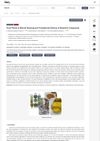
This review highlights the potential of plant-derived natural compounds as biocompatible and biodegradable materials in dermal and transdermal delivery systems, emphasizing their unexplored benefits and detailing recent advances in isolation techniques and drug delivery technologies.
11 citations
,
October 2024 in “Cell Death Discovery” In this study on mice with severe thermal skin burns, researchers found that administering 4-aminopyridine (4-AP) helped reduce inflammation and apoptosis, promoted angiogenesis, and accelerated wound healing by enhancing specific cellular behaviors and signaling pathways.
 May 2022 in “Research Square (Research Square)”
 This study found that the newly developed transdermal oil body microgel emulsion (OBEME) improved wound healing in mice by enhancing skin permeability, reducing inflammation, and promoting new blood vessel formation and re-epithelialization.
 March 2026 in “Journal of Drug Delivery and Therapeutics”
 This review suggests that Aloe vera has potential benefits for various skin conditions by integrating Unani medicinal concepts with contemporary biomedical evidence.
 21 citations
,
November 2020 in “Chemical Engineering Journal”
21 citations
,
November 2020 in “Chemical Engineering Journal” In this study, an injectable hydrogel incorporating antibacterial agents was shown to effectively heal wounds and promote hair follicle and capillary regeneration, offering a promising approach for skin tissue engineering.
 2 citations
,
July 2017 in “IEEE Photonics Journal”
2 citations
,
July 2017 in “IEEE Photonics Journal” This study found that combining second-harmonic generation with optical coherence tomography may effectively evaluate wound healing by monitoring collagen formation and optical signal changes in regenerated tissue.
62 citations
,
November 2022 in “Acta Pharmaceutica Sinica B” This study reported that an injectable hydrogel based on platelet-rich plasma and laponite improved wound healing in diabetic and normal rats by enhancing angiogenesis and macrophage polarization.
 April 2026 in “Clinical Cosmetic and Investigational Dermatology”
 In this study, exposure to Myrtus communis leaf extract significantly reduced IL-1α expression and increased VEGF expression in human keratinocytes, which may relate to its traditional use for hair loss and wound healing; further research is necessary to understand its mechanisms.
 1 citations
,
May 2024 in “Advanced Functional Materials”
1 citations
,
May 2024 in “Advanced Functional Materials” This study reports that a multifunctional artificial skin using photothermal-triggered drug delivery improved full-thickness wound healing and skin appendage regeneration by coordinating the release of several therapeutic agents.
 September 2007 in “Hair transplant forum international”
 This commentary discusses patient concerns regarding post-operative appearances after hair transplants and reports no new research findings.
 May 2023 in “Antioxidants”
 In this study, researchers found that supramolecular peptide self-assembling materials derived from Pacific oysters exhibit promising effects for skin wound healing in vitro and in vivo, demonstrating procoagulant, antioxidant, anti-inflammatory, and regenerative properties that suggest potential as a natural treatment option.