1 citations
,
January 2025 in “Annals of Dermatology” In this study, baricitinib was well tolerated and led to clinical improvement in patients with treatment-resistant alopecia areata in a real-world clinical setting, suggesting it may be a potential treatment option.
1 citations
,
May 2019 in “DOAJ (DOAJ: Directory of Open Access Journals)” This study presented two brothers with hereditary acrodermatitis enteropathica who had normal zinc serum levels and experienced skin and hair lesions, but no dental disorders.
October 2025 in “Journal of Clinical Medicine” This study found that in patients with severe alopecia areata, those who responded early to baricitinib treatment typically had a lower baseline Severity of Alopecia Tool score, shorter disease duration, and higher erythrocyte sedimentation rate, suggesting these factors may predict therapeutic success.
April 2022 in “JAAD case reports” In this case report, researchers found that alitretinoin was an effective treatment for a case of generalized granuloma annulare that was previously unresponsive to multiple other therapies.
In this observational study, men with early onset androgenic alopecia exhibited a statistically significant correlation with more severe forms of coronary artery disease compared to those without the condition.
This study outlines treatment strategies for autoimmune alopecia areata, detailing that while mild cases may resolve on their own, severe cases often require intervention, with new JAK inhibitors like baricitinib and ritlecitinib emerging as promising treatments for those not responding to traditional therapies.
 19 citations
,
March 1997 in “Journal of Cutaneous Pathology”
19 citations
,
March 1997 in “Journal of Cutaneous Pathology” This study observed that patients with alopecia areata often have a T-cell receptor repertoire in skin lesions that suggests a specific antigen-driven immune response may be important in the disease's pathogenesis.
This study investigated the potential mechanisms of Curcuma aeruginosa in treating androgenetic alopecia and identified 66 bioactive compounds interacting with proteins involved in the disorder, suggesting its involvement in hormone response and specific signaling pathways.
 1 citations
,
August 2021 in “Journal of The American Academy of Dermatology”
1 citations
,
August 2021 in “Journal of The American Academy of Dermatology” In this study, baricitinib treatment led to significant regrowth of scalp, eyebrow, and eyelash hair in alopecia areata patients compared to placebo, with higher effectiveness seen at the 4-mg dose.
September 2025 in “Radboud University Press eBooks” This study investigated AHR signaling's role in skin biology and reported that novel AHR ligands may help restore keratinocyte function and reduce inflammation in skin diseases, suggesting their potential as therapeutic agents.
 December 2023 in “Journal of Cosmetic Dermatology”
 This study found that baricitinib, taken for 24 weeks, significantly reduced alopecia severity in patients with moderate-to-severe alopecia areata, with 50% showing marked improvement and overall favorable safety and efficacy reported.
 November 2025 in “SKIN The Journal of Cutaneous Medicine”
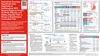
 This phase 3 trial found that over 50% of adolescents with severe alopecia areata achieved successful hair regrowth after 52 weeks on baricitinib 4-mg, with no new safety concerns reported compared to existing safety profiles.
20 citations
,
June 2019 in “Archives of dermatological research” In this study, combination therapy with DPCP and anthralin promoted hair regrowth in 40.62% of alopecia areata patients who were unresponsive to DPCP alone, with response improving over longer treatment durations.
February 2026 in “Chemical Engineering Journal” This study found that a novel nano-engineered platform, PCA, significantly promoted hair regeneration in an androgenetic alopecia mouse model by enhancing angiogenesis and hair follicle stem cell proliferation, showing promise for future hair regrowth treatments.
4 citations
,
January 2011 in “Dermatopathology” 1 citations
,
November 2025 in “Journal of Dermatological Treatment” This study found that Baricitinib effectively reduced alopecia severity in adults with severe alopecia areata during a 12-month observation period, especially when initiated in patients with milder baseline conditions and elevated ESR; no serious adverse events were reported.
October 2024 in “BMJ Case Reports” This case report describes a patient with both rheumatoid arthritis and alopecia areata who showed improvement in both conditions after treatment with baricitinib monotherapy, highlighting the importance of personalized treatment approaches in managing co-occurring autoimmune diseases.
 January 2025 in “Acta Dermatovenerologica Alpina Pannonica et Adriatica”
 This study in a real-world setting found that baricitinib was effectively reducing disease severity in severe alopecia areata patients over 52 weeks, with 37.20% of participants achieving significant improvement and 72.40% experiencing mild or no adverse events.
 24 citations
,
January 2000 in “Dermatology”
24 citations
,
January 2000 in “Dermatology” This study found that men with adrenomyeloneuropathy often experience diffuse hair loss and severe male-pattern baldness, potentially due to the X-linked ALD mutation's role in androgenetic alopecia's genetic spectrum.
15 citations
,
October 2012 in “Journal of child neurology” In this study, two unrelated Honduran patients with Sjögren-Larsson syndrome had the same genetic mutation but displayed different disease severities, suggesting that factors beyond the ALDH3A2 mutation influence clinical outcome.
 August 2023 in “International Journal of Molecular Sciences”
 In this study, researchers developed a new sodium alginate/chitosan/Zn2+ hydrogel that showed improved physical properties, antibacterial activity, and biocompatibility, and demonstrated enhanced wound healing and skin regeneration in an in vitro model.
9 citations
,
May 1996 in “Pediatric Dermatology” This article discusses the colocalization of alopecia areata and lichen planus in pediatric dermatology and does not present new clinical results.
This review examines the potential of alpha-ketoglutaric acid as an anti-aging agent and for treating age-related diseases, emphasizing its metabolic, immune, and cosmetic benefits but reports no new clinical trials.
 19 citations
,
November 2017 in “Journal of Pharmaceutical Sciences”
19 citations
,
November 2017 in “Journal of Pharmaceutical Sciences” This research investigated aqueous alginate-based hydrogels for delivering minoxidil and reported that using hydroxypropyl-β-cyclodextrin (HP-β-CD) with molar substitution 0.65 significantly enhanced minoxidil's solubility and skin permeability without damaging the epidermis, suggesting potential as an alternative to commercial minoxidil solutions.
8 citations
,
January 2013 in “International journal of trichology” This report details two cases of alopecia areata with unusual annular and circinate patterns, highlighting atypical morphology of the condition.
2 citations
,
June 2025 in “Preprints.org” This review highlights the potential of amphiregulin as a therapeutic target, noting its role in both fibrotic and malignant diseases, and discusses promising early findings but reports no new clinical results.
June 2019 in “DOAJ (DOAJ: Directory of Open Access Journals)” This study found that women with diffuse alopecia exhibited deficiencies in several trace elements, including sulfur, iron, and potassium, while men showed deficiencies in calcium, sulfur, and zinc.
 6 citations
,
February 2023 in “Advances in Therapy”
6 citations
,
February 2023 in “Advances in Therapy” This study found that patients with rheumatoid arthritis, atopic dermatitis, and alopecia areata receiving baricitinib had low incidence rates of adverse events, especially among low-risk individuals, with varying rates among those at higher risk.
3 citations
,
November 2017 in “PubMed” This study found that individuals with alopecia areata experience variations in cortisol and insulin levels and adaptive mechanism pressures, which may serve as potential therapeutic targets.
16 citations
,
November 2018 in “The journal of pain/Journal of pain” This study found that in a rat model, 14,15-EET may alleviate central poststroke pain by enhancing thalamic inhibition through neurosteroid signaling, potentially outperforming gabapentin in early-stage treatment.