 June 2026 in “Archives of Dermatological Research”
 In this study, the rs4541843 G > A variant was found to be significantly associated with increased risk and severity of alopecia areata, as well as elevated expression of hsa-miR-182-5p, suggesting their potential as molecular markers for diagnosis and severity assessment.
 1 citations
,
September 2023 in “Dermatology and Therapy”
1 citations
,
September 2023 in “Dermatology and Therapy” In this phase 3 trial analysis, baricitinib improved scalp hair growth in adults with severe alopecia areata, with a faster and higher response in those receiving 4 mg compared to 2 mg, but response varied with severity at baseline and continued through week 52.
 September 2023 in “Dermatology and Therapy”
 In a Belgian cohort study, nearly 90% of alopecia areata patients treated with oral baricitinib experienced hair regrowth, with more than 70% achieving a favorable SALT score, particularly in patchy cases, though some relapsed post-treatment. No serious adverse events were noted.
29 citations
,
October 2009 in “Pharmacology Biochemistry and Behavior”  16 citations
,
February 2018 in “Journal of Cosmetic Dermatology”
16 citations
,
February 2018 in “Journal of Cosmetic Dermatology” This study observed that carboxytherapy significantly improved clinical and dermoscopic measures in patients with alopecia areata and androgenetic alopecia compared to placebo, though some benefits regressed during follow-up.
January 2025 in “Figshare” This meta-analysis concluded that compound glycyrrhizin combined with conventional treatments improved hair regrowth in patients with alopecia areata, though it was associated with mild adverse events like edema.
2 citations
,
February 2023 in “Actas Dermo-Sifiliográficas” Baricitinib effectively improved both atopic dermatitis and alopecia areata symptoms in a patient.

In this study, baricitinib treatment for severe alopecia areata was associated with complete hair regrowth after 12 months in two patients, suggesting it may be an effective alternative to traditional therapies, although safety and clinical implications need careful consideration.
3 citations
,
January 2011 in “Yearbook of Dermatology and Dermatologic Surgery”  1 citations
,
January 2013 in “MedChemComm”
1 citations
,
January 2013 in “MedChemComm” This study characterized the SARM PF-05314882, finding it demonstrates anabolic activity in rats with minimal effects on the prostate, seminal vesicles, and luteinizing hormone levels.
 1 citations
,
August 2021 in “Journal of The American Academy of Dermatology”
1 citations
,
August 2021 in “Journal of The American Academy of Dermatology” This study evaluates the effectiveness and safety of 2-mg and 4-mg doses of baricitinib in patients with alopecia areata who have lost at least 50% of their scalp hair, comparing outcomes between those with early and late onset of the disease.
38 citations
,
April 2016 in “The Journal of Pathology” This study found that mice lacking alkaline ceramidase 1 with elevated skin ceramide levels showed disrupted skin homeostasis, including altered hair follicle structures, increased water loss, and a hypermetabolism phenotype.
July 1999 in “Journal of the American Academy of Dermatology” This review discusses valproic acid as a common antiseizure medication associated with alopecia and highlights the need for its inclusion in relevant medical guides, without presenting new clinical findings.
11 citations
,
November 2022 in “Food and Chemical Toxicology” This study found that microalgal extract from Botryococcus terribilis exhibited antidepressant-like effects in mice by regulating neuroinflammation and modulating neurotransmitter systems.
 1 citations
,
July 2025 in “SKIN The Journal of Cutaneous Medicine”
1 citations
,
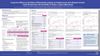
July 2025 in “SKIN The Journal of Cutaneous Medicine” In this study, ritlecitinib 50-mg showed clinically meaningful efficacy, with improvements in the Severity of Alopecia Tool score observed in patients with alopecia areata over a 3-year period, demonstrating long-term benefit in both clinician- and patient-reported outcomes.
 1 citations
,
September 2022 in “Journal of The American Academy of Dermatology”
1 citations
,
September 2022 in “Journal of The American Academy of Dermatology” In this analysis of two trials, baricitinib showed eyebrow and eyelash regrowth in severe alopecia areata patients with greater than 20% scalp hair loss at Week 36, compared to placebo.
 1 citations
,
April 2019 in “The journal of investigative dermatology/Journal of investigative dermatology”
1 citations
,
April 2019 in “The journal of investigative dermatology/Journal of investigative dermatology” This study found that anagen stage protein homogenates and specific epitopes from melanogenesis proteins activated CD8 T cells, suggesting alopecia areata is an anagen-specific disease.
20 citations
,
December 2010 in “Journal of Morphology” In this study, researchers found that alpha-keratin homologs similar to those in mammalian hair are present in the claws of the lizard Anolis carolinensis, suggesting a structural role during claw formation.
May 2026 in “Journal of Medicinal Chemistry” In this study, the authors developed a novel PROTAC named dAR-6–1, which demonstrated superior hair regeneration in an AGA mouse model compared to minoxidil, highlighting its promise as a therapy due to potent AR degradation and excellent skin permeability.
 2 citations
,
November 2015 in “Endocrinology, Diabetes & Metabolism Case Reports”
2 citations
,
November 2015 in “Endocrinology, Diabetes & Metabolism Case Reports” This case report describes a 57-year-old man's late diagnosis of X-linked adrenoleukodystrophy, highlighting the need to consider this condition in patients with non-autoimmune primary adrenal insufficiency and neurological issues.
This study reported that acupuncture combined with topical Aloe vera and celery gel reduced hair loss from alopecia androgenetica after 28 days of treatment.
60 citations
,
December 2020 in “Stem Cell Research & Therapy” In this laboratory study, ASC-conditioned medium showed higher therapeutic potential than extracellular vesicles alone in reducing inflammation and catabolic activity in human chondrocytes with an osteoarthritis phenotype, highlighting its possible use in osteoarthritis management.
July 2025 in “Journal of Investigative Dermatology” Reduced AhR signaling in HS tunnels leads to persistent inflammation and microbial imbalance.
12 citations
,
July 2016 in “Journal of dermatology” This study found that intramuscular triamcinolone acetonide may be an effective and safe treatment option for managing refractory alopecia areata, showing a 63% response rate in patients and hair regrowth negatively correlated with initial scalp involvement.
 April 2016 in “Journal of The American Academy of Dermatology”
 AGA patients have a lower quality of life than AA patients.
 2 citations
,
January 2013 in “International Journal of Dermatology”
2 citations
,
January 2013 in “International Journal of Dermatology” ALDOA levels drop in hair cells during hair loss.
July 2025 in “The Egyptian Journal of Hospital Medicine” This study found that intralesional methotrexate and triamcinolone acetonide have similar efficacy for localized alopecia areata in adults, but differ in safety profiles, with methotrexate associated with hyperpigmentation and triamcinolone with atrophy.
6 citations
,
March 2024 in “SKIN The Journal of Cutaneous Medicine” In this ongoing phase 3 study, ritlecitinib demonstrated sustained efficacy up to 24 months in patients aged 12 or older with alopecia areata, showing increased response rates with or without an initial loading dose and supporting its long-term use.
April 2023 in “Journal of Investigative Dermatology” CD206+ macrophages are crucial for hair growth in alopecia areata treatment.
24 citations
,
May 2006 in “Journal of Investigative Dermatology” This study found that allergen treatment in alopecia areata mice appeared to alter leukocyte subset distribution and impaired dendritic cell migration, which may affect T-cell activation and hair follicle recovery.