 61 citations
,
September 2010 in “Fitoterapia”
61 citations
,
September 2010 in “Fitoterapia” This study found that the EtOAc extract of Tridax procumbens aerial parts significantly inhibited rat paw edema and COX enzyme activity, suggesting its potential anti-inflammatory properties.
 60 citations
,
September 2013 in “Alimentary Pharmacology & Therapeutics”
60 citations
,
September 2013 in “Alimentary Pharmacology & Therapeutics” This review discusses the dermatological adverse events from immunosuppressive and anti-TNF therapy in IBD, finding increased risks of non-melanoma skin cancer and other skin conditions, and recommends regular cancer screening.
 59 citations
,
February 2021 in “Advanced Functional Materials”
59 citations
,
February 2021 in “Advanced Functional Materials” In this study, a silk-inspired hydrogel system was developed that combines photodynamic therapy and wound healing, which may significantly reduce melanoma recurrence and enhance healing of infected wounds.
 51 citations
,
January 2001 in “Biological & Pharmaceutical Bulletin”
51 citations
,
January 2001 in “Biological & Pharmaceutical Bulletin” This study found that the aqueous ethanol extract of Myricae Cortex demonstrated in vitro testosterone 5alpha-reductase inhibitory activity and in vivo anti-androgenic effects in mouse and hamster models.
 49 citations
,
January 2021 in “Journal of The European Academy of Dermatology and Venereology”
49 citations
,
January 2021 in “Journal of The European Academy of Dermatology and Venereology” Anti-androgens, like finasteride, dutasteride, and spironolactone, may lessen the severity of COVID-19 in men, leading to fewer ICU admissions.
49 citations
,
January 2012 in “Dermatology” In this study, only 1 out of 5 patients with anti-TNF-α induced psoriasiform eruptions showed good response to topical treatment, while systemic therapy and discontinuation of anti-TNF-α may prevent scarring alopecia in severe cases.
 44 citations
,
March 2012 in “Fitoterapia”
44 citations
,
March 2012 in “Fitoterapia” In this study, germacrone from Curcuma aeruginosa showed anti-androgenic effects by inhibiting 5α-reductase, suggesting its potential as a lead compound for treating androgen-dependent disorders.
42 citations
,
March 2015 in “Anais Brasileiros de Dermatologia” This study reports two cases of alopecia associated with anti-TNF therapy, highlighting a new entity combining features of alopecia areata and psoriatic alopecia.
41 citations
,
December 2019 in “Science Translational Medicine” This study found that EGFR-targeted cancer therapy can cause skin toxicities by disrupting epidermal signaling, allowing microbiota invasion and inflammation, but identified a potential treatment approach using FGF7 or SOS expression to restore barrier integrity.
 40 citations
,
November 2017 in “International journal of nanomedicine”
40 citations
,
November 2017 in “International journal of nanomedicine” In this study, the researchers reported that chloramphenicol-loaded liposomes, particularly those incorporating deoxycholic acid, enhanced follicular uptake and showed strong antibacterial activity against methicillin-resistant Staphylococcus aureus, offering potential for treating MRSA-infected skin conditions with good skin biocompatibility and minimal toxicity.
 38 citations
,
July 2012 in “international journal of endocrinology and metabolism”
38 citations
,
July 2012 in “international journal of endocrinology and metabolism” This review discusses the clinical use of anti-androgen medications and highlights emerging evidence supporting plant-derived anti-androgens like spearmint tea for managing PCOS, but reports no new clinical results.
 38 citations
,
September 2006 in “Journal of Dermatological Science”
38 citations
,
September 2006 in “Journal of Dermatological Science” This study evaluated the effect of 2% ketoconazole lotion for androgenetic alopecia, but the results regarding its effectiveness on clinical appearance remained unclear.
 38 citations
,
January 2002 in “Biological & Pharmaceutical Bulletin”
38 citations
,
January 2002 in “Biological & Pharmaceutical Bulletin” This study reported that the aqueous ethanol extract of Lygodii Spora demonstrated in vitro testosterone 5alpha-reductase inhibition and in vivo anti-androgenic activity, potentially due to oleic, linoleic, and palmitic acids.
 36 citations
,
July 2020 in “Frontiers in Medicine”
36 citations
,
July 2020 in “Frontiers in Medicine” Spironolactone might help protect against severe lung problems in COVID-19 patients.
 36 citations
,
September 2009 in “Journal of Cellular and Molecular Medicine”
36 citations
,
September 2009 in “Journal of Cellular and Molecular Medicine” This review addresses the role of skin-resident adult stem/progenitor cells in skin homeostasis, disease, and cancer development, and reports no new research results.
32 citations
,
December 2015 in “PloS one” This study found that applying a topical inhibitor of TGF-β1 may enhance scar maturation and improve the appearance of hypertrophic scars in a nude mouse model after two weeks.
 32 citations
,
November 2005 in “Journal of Investigative Dermatology Symposium Proceedings”
32 citations
,
November 2005 in “Journal of Investigative Dermatology Symposium Proceedings” Most women preferred the 1% pyrithione zinc shampoo for better hair smoothness and less frizz while controlling dandruff.
 31 citations
,
March 2020 in “International Journal of Regenerative Medicine”
31 citations
,
March 2020 in “International Journal of Regenerative Medicine” This study found that intraovarian PRP treatment in women with low ovarian reserve was associated with significant increases in serum AMH levels in some patients, typically within four weeks.
 30 citations
,
October 2020 in “Nature Communications”
30 citations
,
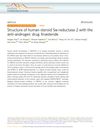
October 2020 in “Nature Communications” This study provides the first crystal structure of the human SRD5A2 enzyme, revealing key insights into its function and inhibition which may aid future drug development.
 30 citations
,
January 2019 in “Clinical Endocrinology”
30 citations
,
January 2019 in “Clinical Endocrinology” This study observed that serum AMH concentration and LH/FSH ratio showed comparable diagnostic value for PCOS among infertile women, though neither is adequate alone for diagnosis.
30 citations
,
April 2007 in “Journal of Leukocyte Biology” This study found that anti-CD44 treatment inhibited leukocyte migration in alopecia areata and eczema, suggesting targeted therapies could enhance contact sensitizer treatment for alopecia areata.
 29 citations
,
June 2018 in “Scientific Reports”
29 citations
,
June 2018 in “Scientific Reports” In this study, Alox15 knockout mice exhibited disrupted skin integrity and increased inflammation, suggesting that Alox15-mediated resolvin D2 production is crucial for maintaining skin homeostasis by suppressing inflammation.
28 citations
,
December 2020 in “Journal of Ginseng Research” This study found that ginsenoside Rf from Panax ginseng may serve as an effective anti-pigmentation agent by inhibiting the CREB/MITF pathway, reducing melanogenesis in melanocytes and UV-irradiated human skin.
 28 citations
,
September 2017 in “Gynecological Endocrinology”
28 citations
,
September 2017 in “Gynecological Endocrinology” This study found that women with polycystic ovary syndrome had significantly higher serum and intrafollicular levels of anti-Müllerian hormone compared to normovulatory women, indicating a potential marker for ovarian hyperstimulation syndrome risk.
 28 citations
,
April 2009 in “Annals of laboratory medicine”
28 citations
,
April 2009 in “Annals of laboratory medicine” This study found that the DFS pattern occurs in about 28% of ANA-positive cases and is relatively frequent in autoimmune diseases, contrary to previous observations suggesting no link with these diseases.
27 citations
,
June 2017 in “Expert opinion on investigational drugs” This review discusses ongoing and past trials for novel acne treatments, focusing on topical agents with potential sebosuppressive, antimicrobial, or anti-inflammatory effects, without reporting new clinical results.
 26 citations
,
March 2018 in “Dermatology and Therapy”
26 citations
,
March 2018 in “Dermatology and Therapy” This study found that conditioned media from epidermal progenitor cells improved skin aging signs in a clinical trial and protected fibroblasts from oxidative stress in vitro.
 25 citations
,
April 2014 in “Journal of Scientific and Innovative Research”
25 citations
,
April 2014 in “Journal of Scientific and Innovative Research” This study evaluated Tridax procumbens extracts for their in-vitro alpha amylase inhibitory activity compared to standard antidiabetic agents, suggesting potential benefits for diabetes management.
25 citations
,
March 2004 in “Regulatory Toxicology and Pharmacology” Using testosterone-stimulated weanling rats can effectively replace castrated rats for anti-androgen testing, reducing animal stress.
 24 citations
,
January 2010 in “Annales d'endocrinologie”
24 citations
,
January 2010 in “Annales d'endocrinologie” This review discusses treatment options for hirsutism in women of childbearing age, focusing on the use of contraceptives, CPA, spironolactone, and third-line therapies, and reports no clinical results.