February 2025 in “Gastroenterology” Corticosteroids improved symptoms in a man with Cronkhite-Canada Syndrome.
2 citations
,
January 2006 in “PubMed” This study found that topical application of carpronium chloride led to arteriolar vasodilation and increased blood flow in rat mesenteric arterioles, without affecting systemic blood pressure.
 November 2023 in “International Journal of Pharmaceutics”
 This study found that a new transdermal drug delivery system using globefish skin collagen peptides and dissolving microneedles effectively promoted hair regrowth in mice with androgenetic alopecia by reducing inflammation and enhancing vascularization.
 September 2024 in “Journal of the American Academy of Dermatology”
 This article reviews the use of platelet rich plasma in treating androgenetic alopecia and discusses the potential limitation of pain from injections, without presenting new clinical results.

This study found that an extract from Justicia procumbens may prevent hair loss in a mouse model of androgenic alopecia by enhancing hair follicle cell proliferation and improving hair characteristics.
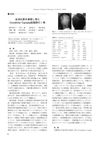 January 2014 in “Progress of Digestive Endoscopy”
 This case report describes a 60-year-old woman with Cronkhite-Canada syndrome whose symptoms and polyposis improved following prednisolone therapy, but emphasizes the need for periodic digestive tract screening due to associated cancer risks.
74 citations
,
September 2003 in “The Journal of Immunology” This study found that PKCα activation in transgenic mice induces keratinocyte apoptosis and mediates neutrophilic skin inflammation via different pathways, suggesting potential mechanisms for cutaneous inflammatory diseases.
5 citations
,
March 2011 in “Journal of proteomics” This study found that exposing dermal papilla cells to sub-lethal doses of colchicine releases histone H4, which inhibits cell growth and decreases alkaline phosphatase activity, potentially explaining colchicine-induced hair loss.
 November 2022 in “Journal of Investigative Dermatology”
 This study found that apocynin restored collagen production, reduced DNA damage and senescence, and protected skin stem cells from aging in UVB-exposed human keratinocytes.
In this study, 1% pimekrolimus cream was found to be more effective than 0.05% clobetasol propionate for treating active plaques in patients with alopecia areata.
 5 citations
,
February 2008 in “Experimental Dermatology”
5 citations
,
February 2008 in “Experimental Dermatology” In this study, topical application of Cyclosporin A on mice skin induced hair growth by transitioning follicles from telogen to anagen, but no effect was observed on cultured human hair follicles.
 20 citations
,
December 2011 in “Journal of inherited metabolic disease”
20 citations
,
December 2011 in “Journal of inherited metabolic disease” This study found that valproic acid may interfere with the leucine metabolic pathway by inhibiting 3-methylcrotonyl-CoA carboxylase and biotinidase, which could contribute to side effects like skin rash and hair loss in patients.
3 citations
,
April 2018 in “Journal of Investigative Dermatology” CCCA may be a fibroproliferative disorder, and anti-fibrotic therapies could help.
 114 citations
,
December 1951 in “Archives of Dermatology”
114 citations
,
December 1951 in “Archives of Dermatology” This article reviews the effectiveness of adrenal cortex compounds E and F in treating various connective tissue disorders and reports no new clinical findings.
 September 2024 in “Journal of Anatomy and Histopathology”
 In this study, researchers found that topical application of 3-β-methoxy-Δ18-oleanene (miliacin) in mice sped up the recovery of hair follicles damaged by cyclophosphamide, moving them into a new hair growth cycle more quickly compared to controls.
 June 2025 in “Stem Cell Research & Therapy”
 In this study, researchers found that isoproterenol, an adrenergic β2 receptor agonist, promoted hair growth and hair follicle stem cell proliferation in models of androgenetic alopecia by modulating the PI3K/AKT/β-Catenin pathway, suggesting a potential new therapeutic strategy for hair loss.
February 2026 in “Cureus” This case report suggests that crisaborole may be an effective alternative treatment for alopecia areata in pediatric patients, showing significant hair regrowth after two weeks in a 10-year-old girl.
 September 2025 in “Scientific periodicals of Ukraine”
 This study reports on a 46-year-old patient with pseudopelades of Brocq, highlighting the effectiveness of early diagnosis and treatment in preventing atrophy and controlling hair loss, as positive clinical outcomes were noted after prescribed therapy.
 9 citations
,
August 2005 in “Experimental Dermatology”
9 citations
,
August 2005 in “Experimental Dermatology” In this study, the researchers report that a modified epimorphin-derived peptide shows potential for hair follicle regeneration, especially when used with 1% minoxidil in mice.

In this study, researchers highlighted that while oral valproate often causes hair loss, preliminary experiments with topical valproic acid solution suggest its potential for hair regeneration, potentially offering fewer side effects and reduced cost compared to existing treatments.
2 citations
,
November 1978 in “JAMA” This study found that valproic acid is effective in controlling absence seizures and can improve other seizure types, but 20% of patients experience mostly transient adverse reactions.
 2 citations
,
December 2020 in “American Journal of Dermatological Research and Reviews”
2 citations
,
December 2020 in “American Journal of Dermatological Research and Reviews” This study found that combining 308-excimer phototherapy with intramuscular triamcinolone acetonide was effective and well tolerated for treating resistant alopecia totalis, showing a 90% overall response rate in the ten patients studied, with the best results observed in younger patients.
9 citations
,
February 2002 in “PubMed” This study identified a novel mutation in the coproporphyrinogen oxidase gene, contributing to hereditary coproporphyria in a family, with decreased enzyme activity observed in the affected members.
1 citations
,
April 2022 in “The Journal of Urology” This study observed that discontinuation rates due to side effects were similar for penicillamine and tiopronin among cystinuria patients, and switching to the alternative agent was beneficial for half of those experiencing issues.
16 citations
,
April 2000 in “Contact dermatitis” In this report, a 19-year-old Japanese man experienced severe and prolonged urticarial reactions following treatment with diphenylcyclopropenone for alopecia universalis, emphasizing the need for caution with potent sensitizers.
 11 citations
,
January 2015 in “Skin pharmacology and physiology”
11 citations
,
January 2015 in “Skin pharmacology and physiology” In this study, oral collagen peptides increased certain gene expressions related to epidermis development and the hair cycle in hairless mice skin, suggesting potential links to hair health.
39 citations
,
April 2012 in “Journal of controlled release” This study found that using a protease-triggered release system enabled effective delivery of a model drug deep within porcine hair follicles, suggesting a new approach for treating skin conditions.
16 citations
,
April 1985 in “Archives of dermatology” This review discusses various treatments for pityriasis rubra pilaris, including vitamin A, methotrexate, and systemic steroids, reporting historical anecdotal evidence without new clinical results.
January 2009 in “Journal watch” This study enrolled nine patients to investigate the effects of oral psoralen and ultraviolet A therapy plus oral prednisolone for treating alopecia areata.
 1 citations
,
January 2023 in “Przegląd Dermatologiczny”
1 citations
,
January 2023 in “Przegląd Dermatologiczny” This case report describes a 64-year-old man with advanced colorectal cancer developing cutaneous side effects from panitumumab, highlighting the importance of early diagnosis and treatment to improve quality of life and therapy continuation.