 January 2026 in “Communications Biology”
 This study constructed a single-cell atlas of hair follicle cells from yaks and taurine cattle, revealing that differences in WNT signaling within dermal papilla cells may be key to the yak's adaptation to cold environments on the Qinghai-Tibet Plateau.
 January 2026 in “Frontiers in Pharmacology”
 This study demonstrated that SHFKO significantly accelerated healing in acute radiation-induced skin injuries, with mechanisms involving apoptosis inhibition, suppression of inflammation, and restoration of ROS balance, suggesting its potential as a novel multi-target therapy for radiodermatitis.
 January 2026 in “Animal Advances”
 In this study of four Chinese goat breeds, black goats exhibited significantly higher melanin content, while Inner Mongolian cashmere goats had longer fiber lengths. These findings highlight genetic variations in coat color and fiber length, informing future breeding programs.
 January 2026 in “Clinical Cosmetic and Investigational Dermatology”
 This study found that mesotherapy with placenta polypeptide injection significantly reduced skin inflammation and improved aesthetic outcomes in adults with moderate-to-severe sensitive skin, without increasing adverse events compared to controls.
 December 2025 in “International Journal of Ayurvedic Medicine”
 This review reports that Fenugreek seeds contain compounds like Galactomannan and Trigonelline, which show anti-diabetic and anti-hyperlipidemic effects, while Fenugreek leaves have high saponin content, contributing to their anti-microbial activities.

This study discusses the potential of phytochemicals, such as isoflavones and polyphenols, to manage PCOS symptoms by improving insulin resistance, regulating hormones, and reducing cyst size, highlighting their promise as alternative treatments given the limitations of current pharmacological options.
 December 2025 in “Nature Communications”
 In this study using mouse models, researchers found that elevated IL-17a in aged olfactory epithelium impairs olfactory function, while IL-17a inhibition promotes regeneration and mitigates age-related decline.
 December 2025 in “Frontiers in Immunology”
 This review highlights that disturbances in neuroimmune communication, particularly between sympathetic nerves and macrophages, may contribute to autoimmune diseases like rheumatoid arthritis and type 1 diabetes, and suggests potential therapeutic avenues by restoring this communication in preclinical and early clinical studies.
 December 2025 in “ADMET & DMPK”
 This review synthesizes recent research to propose a precision framework for treating androgenetic alopecia and alopecia areata based on genetic insights and pathway biology, highlighting the roles of androgen-receptor signaling, immune dysregulation, and emerging therapies like regenerative medicine and AI-assisted diagnostics.
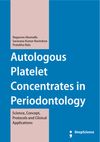
In this book, the authors provide an accessible overview of platelet concentrates and their dental applications, highlighting their role in tissue healing and regeneration, and reviewing recent studies on their efficacy in periodontal therapy, implant dentistry, and oral surgery.
This study found that platelet-rich plasma therapy led to greater improvements in hair density and patient satisfaction compared to topical 5% Minoxidil in androgenetic alopecia patients over 12 weeks.
 December 2025 in “International Journal of Pharmaceutical Sciences Review and Research”
 In this study, a newly developed polyherbal hair oil exhibited promising characteristics, including a beneficial pH and antimicrobial activity against Staphylococcus aureus, with preliminary tests suggesting it supports scalp and hair health without adverse effects.
 November 2025 in “Frontiers in Pharmacology”
 In this study, researchers found that gentamicin-loaded exosomes derived from a bovine leukocyte spleen extract significantly enhanced antimicrobial activity and tissue regeneration in infected diabetic wounds, showing potential as an effective therapeutic strategy for diabetic foot ulcers by improving infection control and promoting healing.
 November 2025 in “Nanoscale Advances”
 This review highlights the potential of inorganic nanoparticle-based scaffolds as innovative tools for advanced wound care, emphasizing their ability to provide antimicrobial action and regenerative support, while also discussing fabrication strategies and challenges in optimizing their clinical application.
 November 2025 in “Frontiers in Veterinary Science”
 In this study, zinc supplementation at 2.00 g/camel/day improved hair growth in lactating camels but did not affect milk production, while for calves, doses of 0.50–0.75 g/camel/day enhanced growth and hair development.
This study found that platelet-rich plasma might support brain health by enhancing glial cell function and modulating immune responses in inflammation, indicating potential as a treatment for brain disorders.
 October 2025 in “Animal Bioscience”
 This study identified important lncRNAs and genes associated with cashmere shedding in goats and explored their regulatory interactions, providing insights into the molecular mechanisms that may underlie this phenomenon.
 October 2025 in “HAL (Le Centre pour la Communication Scientifique Directe)”
 This research observed that, in domestic cats like Maine Coon and Rex breeds, a "piebald" coat color pattern is likely influenced by the Silver locus, although the specific mutations involved are yet to be published.
 September 2025 in “Journal of Health Sciences”
 In this study, researchers developed an antioxidant hair tonic using Dipteryx odorata (cumaru) extract, aimed at treating scalp psoriasis, which could potentially improve quality of life for patients due to its natural anti-inflammatory and antioxidant properties.
 September 2025 in “Arthritis Research & Therapy”
 In this study, researchers found that the compound BMS-470539 induced a senescence-like state in fibroblasts from systemic sclerosis patients, reducing fibrosis-associated markers in vitro and decreasing skin thickness in a mouse model of skin fibrosis, suggesting a novel therapeutic strategy for managing fibroblast-driven diseases.
 September 2025 in “Frontiers in Genetics”
 This study developed a non-invasive, partially automated protocol for extracting high-quality DNA from hair follicles of marmosets, significantly reducing chimerism rates compared to blood, and proving reliable for whole genome sequencing in low-input DNA scenarios.
 September 2025 in “Dermatology and Therapy”
 This systematic review and meta-analysis found that platelet-rich plasma (PRP) therapy is effective in increasing hair density and reducing hair loss for alopecia, with variations in response based on activation status.

This research highlights selenium's critical roles in various biological processes and underscores the potential health impacts of both its deficiency and excess, including increased mortality risk, poor immune function, and neurological issues.
 September 2025 in “Ankara Universitesi Eczacilik Fakultesi Dergisi”
 This study analyzed the therapeutic potential of various plant species for alopecia areata treatment, highlighting their possible benefits due to anti-inflammatory and immunomodulatory properties, though more research is needed to fully understand the mechanisms involved.
 September 2025 in “Journal of Phytonanotechnology and Pharmaceutical Sciences”
 This comprehensive review reports on the therapeutic potential and bioactive components of licorice (Glycyrrhiza glabra Linn), highlighting its diverse pharmacological properties and health benefits but also noting associated toxicity and adverse effects in medicinal and food applications.
 August 2025 in “Research Square (Research Square)”
 This study observed that among male patients who experienced telogen effluvium after platelet-rich plasma treatment for androgenic alopecia, there were elevated levels of TNF-α, androgen receptors, and altered 5α-reductase gene expression, suggesting these factors as potential contributors to this unintended outcome.
 August 2025 in “Fabad Journal of Pharmaceutical Sciences”
 This review highlights the potential medicinal benefits of Cuscuta reflexa, a parasitic plant known for its bioactive compounds, while emphasizing the need for further research to fully understand its therapeutic mechanisms and integrate its use into mainstream medicine.
 August 2025 in “Scientific Reports”
 This study found that the protein C4BPA may link insulin resistance and acne vulgaris by influencing lipid metabolism and inflammatory pathways, suggesting it as a potential mediator in the pathogenesis of both conditions.
 July 2025 in “Journal of Research in Pharmacy”
 This study found that using a combination of Virgin Coconut Oil and Nigella Sativa Oil improved wound healing in diabetic rats by reducing inflammation and enhancing skin thickness compared to single treatments or controls, suggesting a potentially valuable approach for managing diabetes-related wounds.
 June 2025 in “INTERANTIONAL JOURNAL OF SCIENTIFIC RESEARCH IN ENGINEERING AND MANAGEMENT”
 This study assessed a herbal dry shampoo comprising natural ingredients like Shikakai and Reetha, finding it effectively passed physicochemical tests but highlighted the need for more research to optimize product quality and safety.