 11 citations
,
October 2021 in “Carbohydrate Polymers”
11 citations
,
October 2021 in “Carbohydrate Polymers” In this study, WGBP-A2 polysaccharides from Ginkgo biloba leaves promoted hair growth and altered inflammation markers in alopecia areata mice, suggesting potential therapeutic effects through modulation of inflammation pathways.
July 2018 in “Zenodo (CERN European Organization for Nuclear Research)” In this study, the use of Dravanti beeja lepa for 28 days was observed to significantly regenerate hair in patients with Indralupta (Alopecia Areata).
 20 citations
,
January 2013 in “Evidence-based complementary and alternative medicine”
20 citations
,
January 2013 in “Evidence-based complementary and alternative medicine” This study found that TGPC plus CGT was more effective than CGT alone in reducing alopecia areata severity in children over 12 months, with similar safety profiles.
 72 citations
,
June 2019 in “International Journal of Cosmetic Science”
72 citations
,
June 2019 in “International Journal of Cosmetic Science” This review discusses the biological properties of 18β‐glycyrrhetinic acid derived from licorice root, highlighting its potential anti-inflammatory, antioxidant, and antimicrobial benefits in treating dermatological disorders, and reports no new experimental results.
February 2023 in “Reactions Weekly” May 2025 in “Tropical Natural History” In this study, Zingiber junceum Gagnep. is documented for the first time as a species in Vietnam, and its micro-morphological traits and the phytochemical profiles of its various extracts are detailed, highlighting the presence of several bioactive compounds.
 August 2023 in “International Journal For Multidisciplinary Research”
 This case study reported that using the ayurvedic treatment protocol of Nitya Virechana, Kulatthadi Kashaya, and Shatapushpa Churna was associated with improved menstrual regularity, reduced obesity, and decreased symptoms of hirsutism and acne in a 19-year-old woman with PCOD.
January 1980 in “Lluc: revista de cultura i d'idees” This study found that Agaricus bisporus-derived β-Glucan particles showed potential as an anticancer, antimicrobial, and antioxidant agent, inducing apoptosis and disrupting mitochondrial membrane potential in cervical cancer HeLa cells.
 January 2025 in “International Journal of Research and Innovation in Applied Science”
 This study aimed to enhance the skin penetration of minoxidil by encapsulating it in glycerosomal vesicles, offering a potential improvement in transdermal drug delivery for treating androgenetic alopecia. Results of the investigation were not reported.
December 2023 in “Advances in Integrative Medicine” This case study suggests that using Boswellia sacra (Frankincense) both orally and topically, along with diet and lifestyle changes, may rapidly resolve pilonidal sinus disease, a condition commonly marked by high recurrence, although no prior studies have investigated this treatment for PNS.
 1 citations
,
September 2023
1 citations
,
September 2023 This study reported that the combination of tridax procumbens and ginger juice improved antioxidant activity and protected against liver damage induced by paracetamol in rats, suggesting a potent hepatoprotective effect.
1 citations
,
September 2023 in “Journal of the American Academy of Dermatology” Guselkumab significantly improves quality of life for people with moderate to severe psoriasis.
 3 citations
,
December 2016 in “KSBB Journal”
3 citations
,
December 2016 in “KSBB Journal” This study found that a herbal medicine increased hair growth in a mouse model, showing strong antioxidant activity and similar 5-alpha-reductase inhibition to finasteride without cytotoxicity in human dermal papilla cells.
4 citations
,
January 1991 in “Journal of dermatological treatment” This study found that GnRH-A treatment significantly reduced hirsuties scores in women with mild idiopathic hirsuties but did not affect hair growth rate or diameter.
May 2025 in “OPAL (Open@LaTrobe) (La Trobe University)” In this study, researchers used computational methods to identify six phytochemicals from nettle, saw palmetto, and fenugreek as effective binders to 5-alpha reductase, with Jamogenin showing enhanced stability when encapsulated in lipid nanoparticles.
 3 citations
,
July 2019 in “International journal of scientific research in science and technology”
3 citations
,
July 2019 in “International journal of scientific research in science and technology” This study found that a herbal gel containing fenugreek seed extract significantly promoted hair growth on mice after 30 days of topical application.
 1 citations
,
May 2025 in “International Journal of Applied Pharmaceutics”
1 citations
,
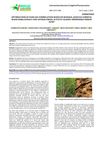
May 2025 in “International Journal of Applied Pharmaceutics” This study formulated a nanogel with Bangkal bark extract that showed moderate antibacterial activity against Propionibacterium acnes, with the F3 formulation (8% extract) achieving the highest inhibition zone of 8 mm, suggesting potential as a natural acne treatment.
 September 2021 in “International Ayurvedic Medical Journal”
 This study reported that in 31 patients with diffuse hair loss, daily application of Bhringraj oil significantly reduced hair fall, dandruff, itching, and dryness over four weeks, without any adverse reactions.
3 citations
,
October 2024 in “Frontiers in Pharmacology” This laboratory study found that PI extract, along with its metabolites Ang and Mac, inhibited cell proliferation and protein expression linked to pathways involved in BPH, suggesting potential for therapeutic use, although the Ang-Mac combination showed no significant effect on apoptosis through the p53 pathway.
January 2026 in “Chemistry & Biodiversity” This study found that the chemical composition and biological activity of Platycladus orientalis fruit extracts varied with the extraction method, revealing potent antioxidant and enzyme inhibitory properties, particularly in the n-hexane extract, which suggests potential applications for managing dysregulated enzyme conditions.
 17 citations
,
February 2013 in “PLOS ONE”
17 citations
,
February 2013 in “PLOS ONE” This study found that 6-gingerol, a component of ginger, suppresses hair growth rather than promoting it, both in vitro and in vivo, suggesting potential use in hair removal treatments.
 6 citations
,
January 2017 in “Dermato-endocrinology”
6 citations
,
January 2017 in “Dermato-endocrinology” This study found that androsterone glucuronate (ADT-G) was the only androgenic metabolite sensitive to detecting differences between adult women with acne and controls, and its levels decreased with systemic treatment.
July 2024 in “Reactions Weekly” 92 citations
,
December 2020 in “Brain Sciences” This review discusses the potential of various Indian herbal medicines in treating cognitive impairment related to Alzheimer's disease but reports no new clinical findings; it highlights the need for further research.
 25 citations
,
December 2017 in “The Journal of Clinical Endocrinology & Metabolism”
25 citations
,
December 2017 in “The Journal of Clinical Endocrinology & Metabolism” This study found that using an oral contraceptive with bicalutamide significantly reduced hirsutism in women with PCOS compared to an oral contraceptive alone, although it increased total cholesterol and LDL levels.
 May 2022 in “Journal of pharmacognosy and phytochemistry”
 This study carried out a detailed pharmacognostic and phytochemical analysis of Sphagneticola calendulacea leaves, which may help authenticate this plant used in treating inflammation and alopecia.
May 2021 in “Indian journal of forensic medicine and toxicology” This study found that excessive consumption of cloves in mice caused toxic changes in the liver, including structural damage and cell death, but concluded these effects are not considered dangerous.
 April 2024 in “Applied biological chemistry”
 In this study involving mice on a high-fat diet, piperine from black pepper was observed to reduce sebaceous gland size and fat accumulation, suggesting its potential in controlling hair oiliness by inhibiting adipogenesis in hair stem cells.
 October 2015 in “Elsevier eBooks”
 Chewing betel nut may increase the risk of type 2 diabetes, and saw palmetto can improve urinary symptoms in BPH with fewer side effects but may cause bleeding and allergic reactions.
 June 2026 in “Zenodo (CERN European Organization for Nuclear Research)”
 This study evaluated an Ayurvedic treatment protocol for Indralupta (similar to alopecia areata), finding significant clinical improvement with increased hair density and no adverse effects, suggesting it may be a safe, holistic alternative for managing alopecia areata.