June 2026 in “Advanced Healthcare Materials” This study found that engineered extracellular vesicles (293F-EGF-EV), enriched in EGF mRNA, significantly aided skin wound healing in vitro and in a rat model by promoting fibroblast activity and improving wound recovery through processes like angiogenesis and reduced scarring.
9 citations
,
February 2020 in “Materials Express” In a study on female SD rats, the authors found that RADA16-1 short-peptide nano-fiber gel scaffolds improved burn wound healing, hair follicle growth, hair growth length, and expression of bFGF and EGF compared to a NaCl control.
March 2017 in “Zenodo (CERN European Organization for Nuclear Research)” This study found that probiotics, specifically the L. plantarum MTCC 1325 strain, may have protective effects against Alzheimer's-like symptoms induced by D-Galactose in animal models, suggesting potential therapeutic use for neurodegenerative disorders.
10 citations
,
January 2020 in “Journal of Materials Chemistry B” This study developed a biodegradable nanofibrous biofilm that attracts skin-related cells and accelerates blood vessel formation, potentially improving skin wound healing.
August 2026 in “Women s Health” This preliminary pilot study found that a combined microneedling-assisted Panax ginseng exosome protocol with adjunctive inner gel use led to short-term improvements in patient-reported vulvovaginal symptoms and qualitative improvements in vulvar skin tone, though results are preliminary and based on a small, uncontrolled sample.
 5 citations
,
March 2017 in “International journal of GEOMATE : geotechnique, construction materials and environment”
5 citations
,
March 2017 in “International journal of GEOMATE : geotechnique, construction materials and environment” This study found that incorporating pig-hair fibers and green mussel shells in concrete increased compressive strength but decreased workability, suggesting potential use in structures not requiring strength above 28 MPa.
 September 2013 in “Metal Powder Report”
 This study found that dihydrotestosterone induces hair loss in male C57BL/6 mice, and this effect can be partially reversed by the androgen receptor antagonist bicalutamide.
November 2004 in “Oncology Times” This article discusses the ethical concerns and implications of a partnership between the National Prostate Cancer Coalition and Viadur, including the perceived endorsement of a specific drug.
 12 citations
,
November 2015 in “Cell Death & Differentiation”
12 citations
,
November 2015 in “Cell Death & Differentiation” This study found that immune cells, including T cells and macrophages, significantly influence stem cell behavior and tissue regeneration by secreting cytokines and inflammatory factors in mice.
 November 2023 in “Cureus”
 In this pilot study, a 12-week topical treatment with a lotion containing magnetized saline water significantly increased hair count and hair mass index while activating autophagy in the scalp of 20 Caucasian men with mild-to-moderate androgenetic alopecia.
 3 citations
,
November 2022 in “Advances in Clinical and Experimental Medicine”
3 citations
,
November 2022 in “Advances in Clinical and Experimental Medicine” The authors reported that electrochemotherapy and electroporation-based treatments, both with and without cytotoxic drugs, show promise as safer and more effective options for breast cancer treatment, including metastatic cases and palliative care, in vitro and in vivo.
 October 2025 in “Advanced Healthcare Materials”
 In a study on wound healing, researchers described injectable POEGMA‐DA hydrogels as a promising non-toxic alternative to traditional wound closure methods, showing effective tissue adhesion and enhanced regeneration of skin structures in a mouse model without significant inflammation.
 January 2022 in “Elsevier eBooks”
 This study found that sodium valproate nanospanlastics could be an effective and safer method for treating androgenic alopecia, with results comparable to minoxidil but fewer side effects.
April 2019 in “Journal of the Endocrine Society” This study found that in male mouse pancreatic islet β cells, testosterone enhances glucose-stimulated insulin secretion by being locally converted into dihydrotestosterone and estradiol.
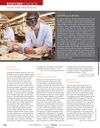 September 2013 in “Science”
 Human stem cells can aid stroke recovery, research experiences boost students' career aspirations, minoxidil may reduce cancer spread, a molecule can slow tumor growth, a protein affects water flow in cells, magnesium behaves differently at tiny scales, and a new method detects slow-moving objects.
 18 citations
,
April 2022 in “Frontiers in bioengineering and biotechnology”
18 citations
,
April 2022 in “Frontiers in bioengineering and biotechnology” This study found that gelatin microspheres delivering adipose-derived stem cells significantly accelerated diabetic wound healing in rats, suggesting a promising approach for enhancing cell-based therapies.
 September 2025 in “ACS Applied Materials & Interfaces”
 In this study, composite dressings made from SP nanofibers, Megel hydrogel, and cotton nonwoven significantly accelerated wound healing in diabetic mice, achieving ∼98% closure within 18 days, while enhancing tissue regeneration and reducing inflammation.
18 citations
,
January 2013 in “Evidence-based Complementary and Alternative Medicine” In this study, ALR was found to enhance both the proliferation and osteogenic differentiation of mouse bone marrow mesenchymal stem cells, potentially through specific signaling pathways.
 January 2020 in “Majalah Kedokteran Gigi Indonesia”
 The researchers reported that freeze-dried collagen-activated platelet-rich plasma increased transforming growth factor-β1 levels compared to non freeze-dried PRP with collagen, suggesting a potential benefit for tissue regeneration.
 July 2024 in “Pharmaceutics”
 In a mouse model of androgenetic alopecia, this study found that a novel hydrogel containing minoxidil-incorporated engineered exosomes (Gel@MNs) enhanced hair regeneration more effectively than conventional minoxidil, increasing hair follicle number and size while reducing skin irritation.
 January 2024 in “Wiadomości Lekarskie”
 This study discusses promising research advancements that may improve treatment outcomes for glioblastomas, highlighting stereotactic radiosurgery, FET-PET imaging, and alternating electric field therapy as potential strategies. The abstract emphasizes the need for ongoing and future trials to determine their effectiveness in clinical practice.
 1 citations
,
February 2023 in “ACS Biomaterials Science & Engineering”
1 citations
,
February 2023 in “ACS Biomaterials Science & Engineering” This study found that using a microwell array device to expand hair follicle stem cells in Matrigel significantly increased cell numbers and enhanced hair regeneration in mice.
3 citations
,
January 2024 in “Cell Transplantation” This study reviews various factors affecting mesenchymal stem cell transplantation efficacy, including platelet concentrate composition, donor characteristics, and environmental influences, and examines strategies for optimizing outcomes through preconditioning and combined therapies in regenerative medicine.
9 citations
,
February 2025 in “Journal of Nanobiotechnology” In this study, researchers found that using bioinspired nanovesicles derived from inflammation memory-activated epidermal stem cells effectively promoted healing in diabetic wounds by reprogramming neutrophils to an anti-inflammatory phenotype in both laboratory and animal models.
11 citations
,
February 2020 in “Journal of Biomaterials Science Polymer Edition” This study explored the development of GelMet, an electrospun hybrid nanofiber scaffold made from gelatin and PEG methacrylate, which demonstrated strong mechanical properties and effectively supported cell growth in vitro, suggesting its potential for skin tissue engineering applications.
March 2026 in “ACS Omega” This study reported that a novel hydrogel wound dressing, created using a Brachybotrys paridiformis polysaccharide derivative and chitosan, significantly accelerated wound healing and tissue regeneration in vivo, showing nearly complete healing by day 15 compared to controls.
69 citations
,
October 2013 in “Tissue Engineering Part A” This study found that using a keratin hydrogel scaffold as a filler in collagen nerve conduits significantly improved nerve regeneration and motor recovery in Macaca fascicularis monkeys compared to saline.
May 2024 in “International journal of medicine and psychology.” This study observed that male municipal servants' personal and professional qualities influencing professional motivation are less organized compared to the overall group of municipal servants, demonstrating gender differences that could inform strategies to enhance motivation for local government tasks.
This study developed a bioresponsive hydrogel combining basic fibroblast growth factor and N-acetylcysteine, which significantly improved diabetic wound healing by enhancing re-epithelialization, collagen deposition, hair follicle regeneration, and neovascularization in response to oxidative stress.