 December 2025 in “Zenodo (CERN European Organization for Nuclear Research)”
 This review found that Hibiscus rosa sinensis extracts exhibit diverse medicinal properties, such as anti-inflammatory and antioxidant effects, with minimal toxicity at high doses, though some altered blood markers, indicating a need for further research into their mechanisms and clinical applications.
December 2025 in “Aesthetic Surgery Journal” This study reviews the role of exosomes in regenerative aesthetics, highlighting their potential in treating conditions like photoaging and wound healing through mechanisms like matrix remodeling and immunomodulation, while also noting advancements in exosome isolation techniques and regulatory considerations.
November 2025 in “JPRAS Open” This study found that while exosome therapy shows promise for treating AGA, AA, and CIA, its integration into routine practice will depend on rigorous clinical trials and standardized manufacturing and regulatory practices to ensure safety and reproducibility.
November 2025 in “Pharmacological Research” In this study, researchers found that exosome-like nanoparticles isolated from Polygoni Multiflori Radix can promote hair growth in mice by modulating androgen signaling and gene expression, outperforming Minoxidil in testosterone-induced conditions.
 August 2025 in “Journal of Pure and Applied Microbiology”
 This review discusses various therapeutic properties of bee venom, including its potential against cancer, infections, and inflammatory diseases, but notes limitations in clinical application due to variability and safety concerns, calling for further research.
 March 2025 in “Journal of Neonatal Surgery”
 This review focuses on the significant pharmacological properties and therapeutic potential of phytosterols, terpenoids, flavonoids, and phenolic compounds from the endangered plant Nardostachys Jatamansi, highlighting their diverse applications in disease prevention and treatment.
January 2025 in “Pharmaceuticals” This review discusses the potential of peptide-based hydrogels as biomaterials for treating chronic wounds and reports no new clinical findings.
 November 2024 in “Applied Sciences”
 This study suggests that while some evidence indicates potential efficacy of placental products for hair growth and inhibiting hair loss, the current scientific evidence is scarce and of low quality.
October 2024 in “International Journal of Biological Macromolecules” This review discusses recent advances in extracting, purifying, and analyzing polysaccharides from Ginkgo biloba leaves, which are valued in traditional Chinese medicine for their diverse biological activities, including antioxidant and hair-growth promoting effects, aiming to inform future development and commercialization.
December 2023 in “Deleted Journal” This research project focused on developing a herbal hair serum using natural ingredients like Flaxseed, Aloe Vera, and Vitamin E, aimed at addressing issues like hair fall and dandruff while promoting overall hair health. Results of the study are not reported.
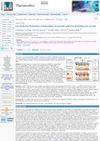 January 2023 in “Theranostics”
 This study reported that a curcumin-zinc microneedle patch improved hair regrowth and wound healing in animal models, suggesting potential as a versatile treatment for hair loss.
 July 2021 in “IntechOpen eBooks”
 This review discusses the potential of ginseng and its metabolites for treating hair loss and reports no new clinical findings.
6 citations
,
July 2023 in “Plants” This study found that Datura metel extracts obtained through supercritical CO2 extraction demonstrated significant biological activity, including antioxidant and anti-inflammatory properties, and effectively promoted wound closure and collagen preservation, comparable to standard treatments, in laboratory experiments.
82 citations
,
July 2022 in “Bioengineering & Translational Medicine” This review examines how biochemical and biophysical induction factors influence cell fate in tissue engineering and reports no new experimental results.
7 citations
,
October 2024 in “Cells” This review discusses the potential of platelet-rich plasma in regenerative medicine and aging-related diseases but notes that clinical efficacy remains unclear due to varying study results and preparation inconsistencies.
1 citations
,
September 2025 in “Molecules” This study comparatively evaluated different extraction techniques for Schinus terebinthifolius Raddi leaf extracts and found that conventional extraction with ethanol yielded the highest antioxidant activity and beneficial effects on skin cell viability, supporting its potential use in sustainable cosmeceutical formulations targeting skin aging.
130 citations
,
December 2022 in “Antioxidants” This review discusses the antioxidant activity of natural polysaccharides, highlighting their potential applications in areas like drug delivery and tissue engineering, but reports no new experimental findings.
114 citations
,
February 2023 in “International Journal of Molecular Sciences” This review discusses the relationship between skin microbiome changes and conditions such as ageing and skin disease, emphasizing the need for further research, but reports no new findings.
47 citations
,
December 2021 in “Applied Sciences” This study demonstrated that Stellaria media extract may enhance wound healing in vitro by promoting cell migration and proliferation, with notable antioxidant and antimicrobial properties.
44 citations
,
January 2021 in “Research” This study explored the use of manganese-doped calcium silicate nanowire-incorporated alginate hydrogels (MCSA hydrogels) for treating melanoma and promoting wound healing, finding that these hydrogels effectively ablate melanoma under near-infrared irradiation and enhance vascular endothelial cell activity for tissue regeneration.
36 citations
,
April 2022 in “Nutrients” This review discusses the potential of Lansium domesticum as a herbal medicine, summarizing its traditional uses, nutritional value, bioactivities, and related nanoparticles and pharmaceutical formulations, but reports no new experimental results.
35 citations
,
November 2024 in “Gels” This review discusses hydrogel-forming microneedles for non-invasive drug delivery in dermatology and reports no new clinical results, emphasizing their promise in improving treatment adherence and patient comfort.
35 citations
,
January 2011 in “Journal of Biological Chemistry” This study found that overexpression of sPLA2-X in mice was associated with alopecia and hair follicle abnormalities, highlighting its potential role in hair follicle homeostasis.
32 citations
,
December 2017 in “Stem Cells Translational Medicine” This review discusses how studying regenerative biology in certain mammalian models could enhance our understanding of complex tissue regeneration, but it reports no new clinical findings.
24 citations
,
August 2023 in “International Journal of Molecular Sciences” This review discusses the use of platelet-rich fibrin (PRF) in musculoskeletal, oral, and maxillofacial surgeries and dermatology, but reports no new clinical results; further trials are needed.
21 citations
,
January 2020 in “Pharmaceutical Biology” In this study, Salvia plebeia extract promoted hair growth by enhancing proliferation and anti-apoptotic effects in human dermal papilla cells and increased hair growth in treated mice.
19 citations
,
January 2023 in “Frontiers in Bioengineering and Biotechnology” This review discusses the therapeutic potential of mesenchymal stem cell-derived small extracellular vesicles for chronic wound treatment and reports no new clinical results, emphasizing the need for further research on their large-scale production and engineering.
15 citations
,
April 2023 in “Biology” This review discusses the characteristics, extraction strategies, and potential applications of plant and algal lipid droplets but reports no new empirical findings.
13 citations
,
January 2024 in “Journal of Nanobiotechnology” This research reported that a newly developed adhesive wound dressing (SIS/PAA/LAP) demonstrated higher tissue adhesion and burst strength compared to conventional products, and improved tissue repair outcomes in animal models, suggesting potential for enhanced wound healing applications.
11 citations
,
May 2021 in “Asian Journal of Pharmaceutical and Clinical Research” This review summarizes the phytomedicinal importance of Eclipta alba in Ayurvedic and folk medicine, particularly its use for hair growth and various biological properties, without reporting new clinical results.