11 citations
,
July 2022 in “Frontiers in immunology”
11 citations
,
July 2022 in “Frontiers in immunology” This study reports that the global age-standardized incidence and disability-adjusted life-year rates of alopecia areata decreased from 1990 to 2019, with the highest increases in incidence seen in some low SDI regions and countries like Kuwait and South Sudan.
 148 citations
,
March 2022 in “The New England Journal of Medicine”
148 citations
,
March 2022 in “The New England Journal of Medicine” In two phase 3 trials, this study found that oral baricitinib significantly improved hair regrowth compared to placebo in adults with severe alopecia areata after 36 weeks, though longer trials are needed to ascertain its long-term efficacy and safety.
 9 citations
,
October 2021 in “International Journal of Dermatology”
9 citations
,
October 2021 in “International Journal of Dermatology” This study found that tofacitinib effectively induced hair regrowth in 62.2% of severe alopecia areata patients in Saudi Arabia after six months, with higher baseline Severity of Alopecia Tool scores and past steroid use linked to reduced response.
14 citations
,
July 2021 in “Anais brasileiros de dermatologia/Anais Brasileiros de Dermatologia” This study found that alopecia areata patients had higher baseline interleukin levels, which significantly decreased with tofacitinib treatment, though this change did not correspond to disease severity improvement.
 3 citations
,
April 2021 in “Cureus”
3 citations
,
April 2021 in “Cureus” In this study, 62.7% of patients with alopecia areata had deficient vitamin D levels, yet there was no significant link between these levels and specific alopecia areata patterns.
 11 citations
,
February 2021 in “Journal of Cosmetic Dermatology”
11 citations
,
February 2021 in “Journal of Cosmetic Dermatology” This retrospective pilot study found that oral tofacitinib was more effective in treating alopecia areata than alopecia universalis, but relapses were common after treatment cessation.
 2 citations
,
January 2021 in “Our Dermatology Online”
2 citations
,
January 2021 in “Our Dermatology Online” This study reported that alopecia areata mostly affects young Black African males, with very few associated pathologies observed in this population.
6 citations
,
November 2020 in “Clinical Cosmetic and Investigational Dermatology” This study found that intralesional injections of triamcinolone acetonide at 5 mg/mL are as effective and safe as 10 mg/mL for treating patchy alopecia areata on the scalp, with similar hair regrowth rates, side effects, and recurrence observed between the two dosages.
 4 citations
,
July 2020 in “Journal of Dermatological Treatment”
4 citations
,
July 2020 in “Journal of Dermatological Treatment” This study found that intralesional minoxidil alone has limited efficacy for non-severe patchy alopecia areata, though it may accelerate hair regrowth compared to spontaneous recovery.
 7 citations
,
January 2020 in “PubMed”
7 citations
,
January 2020 in “PubMed” In this review, researchers highlight preclinical and clinical studies on stem cell-based therapies for hair loss, noting promising early findings but indicating that further robust clinical research is necessary to better understand their effectiveness, safety, and mechanisms.
 37 citations
,
December 2019 in “Giornale italiano di dermatologia e venereologia”
37 citations
,
December 2019 in “Giornale italiano di dermatologia e venereologia” This Italian guideline discusses the diagnosis and treatment of alopecia areata but reports no new clinical trial results; the authors highlight the need for well-designed studies.
 15 citations
,
July 2019 in “Lasers in surgery and medicine”
15 citations
,
July 2019 in “Lasers in surgery and medicine” This study found that 1,540 nm fractional erbium-glass laser treatment combined with topical minoxidil significantly increased hair regrowth in alopecia areata patches compared to minoxidil alone, with response rates of 60% versus 16%, though the long-term effects remain unknown.
 14 citations
,
June 2019 in “Dermatologic therapy”
14 citations
,
June 2019 in “Dermatologic therapy” This study found that autologous platelet-rich plasma injections showed no significant effect on hair regrowth in patients with alopecia areata totalis.
 19 citations
,
May 2019 in “Journal of Cosmetic Dermatology”
19 citations
,
May 2019 in “Journal of Cosmetic Dermatology” In this study, both platelet-rich plasma and intralesional corticosteroids improved hair re-growth in alopecia areata patients, but the difference between treatments was not significant, with fewer relapses observed in the platelet-rich plasma group.
 29 citations
,
March 2019 in “JEADV. Journal of the European Academy of Dermatology and Venereology/Journal of the European Academy of Dermatology and Venereology”
29 citations
,
March 2019 in “JEADV. Journal of the European Academy of Dermatology and Venereology/Journal of the European Academy of Dermatology and Venereology” This study found that the severity, duration, and relapse rate of alopecia areata decreased with older age at onset, while relapses mostly occurred early and declined over time.
 17 citations
,
January 2019 in “Dermatologic Therapy”
17 citations
,
January 2019 in “Dermatologic Therapy” The article in Dermatologic Therapy discusses clinical experiences with using tofacitinib to treat alopecia areata in 63 patients, but no specific results are reported in the abstract.
 66 citations
,
December 2018 in “Dermatology”
66 citations
,
December 2018 in “Dermatology” This study found that oral JAK inhibitors, ruxolitinib and tofacitinib, are effective and well-tolerated for treating severe alopecia areata, with a similar degree of hair regrowth and relapse rates, but ruxolitinib induced faster initial hair regrowth.
 45 citations
,
May 2018 in “Stem Cell Research & Therapy”
45 citations
,
May 2018 in “Stem Cell Research & Therapy” In this study, patients receiving adipose-derived stromal vascular cell transplantation for alopecia areata experienced significant hair regeneration, increased growth, and improved hair quality after 3 and 6 months, indicating potential efficacy of this stem cell-based therapy for hair loss.
 9 citations
,
January 2018 in “Annals of Dermatology”
9 citations
,
January 2018 in “Annals of Dermatology” This study found that patients with a greater awareness and understanding of androgenetic alopecia were more likely to seek treatment, suggesting that education may increase treatment willingness.
 6 citations
,
November 2017 in “Dermatologic Therapy”
6 citations
,
November 2017 in “Dermatologic Therapy” In this study, researchers found that applying mometasone furoate 0.1% cream combined with adapalene 0.1% gel resulted in significantly greater hair regrowth over 12 weeks compared to mometasone furoate cream alone in patients with alopecia areata.
 35 citations
,
September 2017 in “PubMed”
35 citations
,
September 2017 in “PubMed” This article reviews different types of alopecia, their diagnosis, and treatment options available in a family physician's practice, but it reports no new research findings.
 17 citations
,
July 2017 in “International Journal of Behavioral Medicine”
17 citations
,
July 2017 in “International Journal of Behavioral Medicine” This study validated the Egyptian Arabic version of the Skindex-16 and found that skin conditions significantly impacted patients' quality of life, particularly in the emotional domain.
12 citations
,
June 2017 in “Dermatologic therapy” This study reported that dithranol treatment up to 3% concentration led to hair regrowth in alopecia areata patients who had previously failed ultra-potent steroids, with regrowth observed across all severity levels.
 15 citations
,
May 2017 in “Journal of Dermatological Treatment”
15 citations
,
May 2017 in “Journal of Dermatological Treatment” In this study, patients with alopecia areata experienced significant hair regrowth using topical latanoprost, minoxidil, or betamethasone valerate, with the addition of latanoprost enhancing the effectiveness of betamethasone valerate, showcasing these treatments as safe and effective options.
22 citations
,
May 2017 in “Journal of dermatological treatment” This study found that BD 1/4 dilution was the most effective corticosteroid concentration for intralesional injection to treat localized alopecia areata in adults, with fewer adverse effects than TA.
 49 citations
,
March 2017 in “Journal of the American Academy of Dermatology”
49 citations
,
March 2017 in “Journal of the American Academy of Dermatology” This case series found that oral tofacitinib treatment in eight adolescents with alopecia universalis led to significant regrowth of hair, though relapse is likely after stopping therapy.
 24 citations
,
January 2017 in “Pediatric dermatology”
24 citations
,
January 2017 in “Pediatric dermatology” This study found that 1% anthralin ointment effectively promoted hair growth in children with chronic, severe alopecia areata, showing complete or partial responses in 70% of participants over 12 months, without serious adverse events.
 37 citations
,
May 2016 in “Deutsches Arzteblatt International”
37 citations
,
May 2016 in “Deutsches Arzteblatt International” This review outlines various causes and manifestations of hair loss, highlighting that each type has distinct underlying mechanisms and requires specific treatment approaches, without reporting new clinical results.
 144 citations
,
July 2015 in “Clinical, Cosmetic and Investigational Dermatology”
144 citations
,
July 2015 in “Clinical, Cosmetic and Investigational Dermatology” This review reports that alopecia areata affects about 2% of people globally and is linked with psychiatric and medical comorbidities, highlighting its significant disease burden.
 44 citations
,
February 2015 in “Journal of the American Academy of Dermatology”
44 citations
,
February 2015 in “Journal of the American Academy of Dermatology” This study found that combination therapy with diphenylcyclopropenone and anthralin was more effective for complete hair regrowth in chronic extensive alopecia areata than diphenylcyclopropenone alone, despite more common side effects.
 36 citations
,
January 2015 in “Dermatology”
36 citations
,
January 2015 in “Dermatology” In this study, bimatoprost solution showed better results than corticosteroid in terms of rapidity, percentage of hair regrowth, and side effects for treating scalp alopecia areata.
 70 citations
,
May 2014 in “JAMA Dermatology”
70 citations
,
May 2014 in “JAMA Dermatology” This study found that systematic review and protocol topics in the Cochrane Database for skin conditions are partly aligned with disease burden metrics, with some conditions overrepresented and others underrepresented compared to their disability-adjusted life years.
 53 citations
,
January 2014 in “Journal of Cutaneous and Aesthetic Surgery”
53 citations
,
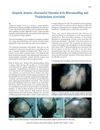
January 2014 in “Journal of Cutaneous and Aesthetic Surgery” Microneedling combined with triamcinolone can safely stimulate faster hair regrowth in people with Alopecia Areata.
33 citations
,
October 2013 in “Cutaneous and ocular toxicology” This article discusses the autoimmune pathogenesis of alopecia areata and reviews the use of immunosuppressive therapies in its treatment, but it does not provide new clinical results.
45 citations
,
January 2013 in “Dermatology Research and Practice” This study found that patients with alopecia areata experience significantly poorer quality of life compared to the general population, affecting mental health, social functioning, and overall health outcomes.
38 citations
,
January 2013 in “Dermatology” This study found that intravenous high-dose pulse corticosteroids resulted in a complete response in 38% of children with alopecia areata, but the majority of responders relapsed within a year.
 30 citations
,
January 2013 in “International Journal of Trichology”
30 citations
,
January 2013 in “International Journal of Trichology” This study found that in Jordanian children, tinea capitis, alopecia areata, and telogen effluvium were the most common causes of hair loss, with nutritional deficiencies such as iron and zinc deficiency also noted as significant factors.
 218 citations
,
April 2012 in “British Journal of Dermatology”
218 citations
,
April 2012 in “British Journal of Dermatology” This updated guideline from the British Association of Dermatologists discusses current recommendations for managing alopecia areata but reports no new clinical research findings.
 13 citations
,
July 2011 in “Journal of Dermatological Treatment”
13 citations
,
July 2011 in “Journal of Dermatological Treatment” This study found that topical pimecrolimus is as effective as clobetasol propionate for treating alopecia areata, with better tolerability in terms of side effects.
 12 citations
,
January 2011 in “Photodermatology, photoimmunology & photomedicine”
12 citations
,
January 2011 in “Photodermatology, photoimmunology & photomedicine” This study found that phototoxic psoralen and ultraviolet A therapy with topical 8-MOP was effective in treating alopecia areata resistant to other treatments, improving hair regrowth with minimal side effects.
76 citations
,
January 2011 in “Indian Journal of Dermatology/Indian journal of dermatology” In this study, researchers identified yellow dots as the most common dermoscopic feature of alopecia areata, followed by black dots, broken hairs, short vellus hair, and tapering hairs.
 13 citations
,
June 2010 in “Journal of dermatological treatment”
13 citations
,
June 2010 in “Journal of dermatological treatment” This study found that diphencyprone showed a significant clinical response for treating alopecia areata, while tacrolimus was not effective.
 151 citations
,
February 2007 in “International Journal of Dermatology”
151 citations
,
February 2007 in “International Journal of Dermatology” This review explores the causes and mechanisms of alopecia areata and discusses current treatments, reporting no new clinical findings.