 1 citations
,
June 2023 in “Biomolecules & therapeutics”
1 citations
,
June 2023 in “Biomolecules & therapeutics” This article reviews the role of nitric oxide in skin health, including its influence on immune responses and potential therapeutic applications for contact dermatitis, but reports no new clinical results.
 125 citations
,
December 2016 in “Molecules”
125 citations
,
December 2016 in “Molecules” This review discusses the extraction, purification, modification, and biological activity of polysaccharides from Traditional Chinese Medicine and reports no new research findings.
 March 2025 in “International Journal of Molecular Sciences”
 Veratric Acid may help promote hair growth and reduce hair loss.
 May 2024 in “Journal of functional foods”
 In this laboratory study, coffee bean residue extract was observed to promote the proliferation of human hair follicle dermal papilla cells by activating autophagy, showing potential for treating hair growth disorders and hair loss.
 July 2024 in “International Journal of Molecular Sciences”
 In this study, Nigella sativa oil was found to promote dermal papilla cell proliferation and may reduce oxidative stress, suggesting its potential as a hair loss intervention.
 February 2024 in “Molecules/Molecules online/Molecules annual”
 In this study, NMN was found to reverse hair follicle atrophy, thinning, and sparsity in mice induced by DHT, and significantly decreased DHT-induced inflammation and oxidative stress in cultured human dermal papilla cells, enhancing hair growth-related markers.
 January 2025 in “Cosmetics”
 In this study, the researchers found that Astragalus sinicus extracts improved wound healing, reduced oxidative stress, and activated crucial signaling pathways in dermal papilla cells damaged by dihydrotestosterone, suggesting it may be a promising ingredient for hair loss treatment.
 82 citations
,
October 2019 in “Frontiers in Immunology”
82 citations
,
October 2019 in “Frontiers in Immunology” This review discusses the features of regulatory T cells and the modulation of Foxp3, emphasizing post-translational modifications' impact on Treg function but reports no new clinical results.
 April 2026 in “Antioxidants”
 In this study, broccoli sprout extract and sulforaphane were found to reduce cell viability, suppress growth, and induce apoptosis in breast cancer cells, and oral broccoli sprout extract inhibited tumor growth in animal models, suggesting it may be effective in managing breast cancer.
 10 citations
,
January 2025 in “Frontiers in Nutrition”
10 citations
,
January 2025 in “Frontiers in Nutrition” This review discusses the potential role of the dietary antioxidant index in reducing the risk of various diseases, including obesity-related conditions, certain cancers, osteoporosis, and mental illnesses, but calls for further studies to confirm these findings.
 January 2024 in “Biological & clinical sciences research journal”
 This review of 355 articles found that apigenin, a compound found in many plants and vegetables, is mainly researched for its anti-inflammatory, neuroprotective, and anti-cancer properties, with enhanced efficacy when combined with allopathic drugs.
 January 2023 in “International journal of advances in scientific research and engineering”
 This review explores the potential of anthocyanins, a type of flavonoid with antioxidant and anticancer properties, to reduce colorectal cancer risk without side effects, focusing on their impact on molecular mechanisms, cancer cell proliferation, and apoptosis.
 7 citations
,
December 2022 in “Plants”
7 citations
,
December 2022 in “Plants” This study suggests that guava leaf extract may inhibit hair loss by downregulating genes involved in androgen synthesis, potentially offering a natural alternative for treating androgenetic alopecia.
 April 2011 in “한국생물공학회 학술대회”
 This study found that an anti-atopic lotion containing fucoidan helped heal skin damage in hairless mice with atopic dermatitis by reducing skin thickness and modulating immune responses.
46 citations
,
October 2025 in “Journal of Nanobiotechnology” This review examines the potential of plant-derived exosome-like nanovesicles in dermatology, highlighting their bioactive properties and discussing challenges to their clinical application, but does not provide new clinical results.
43 citations
,
January 2016 in “Oxidative medicine and cellular longevity” This review discusses the biological effects and mechanisms of THSG in antiaging and related disease treatments but reports no new experimental findings.
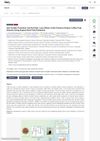
In this study, the SFE-4 extract from coffee pulp demonstrated potential effects for treating androgenetic alopecia by enhancing cell proliferation and gene expression related to hair growth pathways in vitro, using human hair follicle dermal papilla and prostate cancer cells.
5 citations
,
December 2023 in “Materials” This review paper highlights the development and application of organic and biogenic nanocarriers for delivering bioactives, focusing on eco-friendly and sustainable nanotechnology strategies while addressing challenges like toxicity and paving the way for future innovations in green solution approaches.
1 citations
,
November 2023 in “Polymers” This review examines how incorporating various polymers and active ingredients into polyurethane dressings can enhance their properties and adaptability for better wound repair and regeneration, suggesting a promising direction for developing advanced functional dressings.
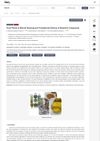
This review highlights the potential of plant-derived natural compounds as biocompatible and biodegradable materials in dermal and transdermal delivery systems, emphasizing their unexplored benefits and detailing recent advances in isolation techniques and drug delivery technologies.
7 citations
,
October 2018 in “South African journal of botany” This study found that the plant Clausena anisata exhibited promising antimicrobial, antioxidant, and anti-inflammatory activities against acne-causing bacteria and inflammation, suggesting its potential as a candidate for further anti-acne treatment research.
3 citations
,
March 2023 in “International journal of molecular sciences” This review discusses the patterns and regulatory mechanisms of keratin expression in various biological conditions and reports no new experimental results.

This review explores plant-derived exosomes as promising alternatives to synthetic wound-healing agents due to their ability to regulate signaling pathways involved in skin repair, while also addressing challenges in their clinical application.
8 citations
,
July 2021 in “F1000Research” This review discusses the potential of plant-derived phytochemicals as alternatives to 5-alpha-Reductase inhibitors in treating prostate cancer, highlighting possible benefits like reduced side effects, but it reports no new findings.
 77 citations
,
August 2025 in “Signal Transduction and Targeted Therapy”
77 citations
,
August 2025 in “Signal Transduction and Targeted Therapy” This review highlights the potential of extracellular vesicle-based therapies for treating various diseases, but it also notes challenges like the lack of regulatory guidelines that hinder their clinical development.
 6 citations
,
October 2017
6 citations
,
October 2017 This review summarizes the antioxidant and anticarcinogenic properties of Indian Gooseberry, its phytochemical composition, and its use in traditional Ayurvedic medicine, but reports no new clinical results.
 December 2023 in “Scientific reports”
 This study assessed three lactic acid bacteria-fermented proteins and found that F-WPI and F-SPI could normalize osteoclastogenesis markers in vitro, while F-SPI enhanced osteoblastogenesis markers, suggesting potential as dietary supplements for osteoporosis prevention, though further research into mechanisms is needed.
 1 citations
,
November 2023 in “Naunyn-Schmiedeberg's archives of pharmacology”
1 citations
,
November 2023 in “Naunyn-Schmiedeberg's archives of pharmacology” This review focused on the bioactive compounds and pharmacological properties of Lawsonia inermis (henna) and found that it contains various beneficial compounds with potential therapeutic applications, such as antioxidant and anti-inflammatory effects, indicating a need for further investigation into its medical benefits.
 September 2024 in “Oncology Advances”
 This review discusses the potential anticancer effects of medicinal plants, highlighting their diverse phytoconstituents and mechanisms, and considers both their future prospects and limitations in cancer treatment.
 June 2023 in “Journal of multidisciplinary sciences (Online)”
 This review examines possible links between polycystic ovarian syndrome and reproductive cancers, but reports no new clinical findings.