11 citations
,
September 2023 in “Nature Communications” In this study, researchers found that the cell surface protein Lrig1 plays a crucial role in regulating the suppressive function of regulatory T cells, suggesting it as a potential target for treating autoimmune diseases, as evidenced by experiments in mouse models.
 9 citations
,
December 2017 in “The Journal of Allergy and Clinical Immunology”
9 citations
,
December 2017 in “The Journal of Allergy and Clinical Immunology” This review discusses the evolution of alopecia areata treatments towards more targeted therapies and reports no new clinical results, emphasizing cooperation between clinicians and scientists in understanding the disease's pathophysiology.
 4 citations
,
September 2021 in “Frontiers in allergy”
4 citations
,
September 2021 in “Frontiers in allergy” This review discusses the shared biological mechanisms between allergy and autoimmunity, emphasizing pruritus as a central symptom in psychophysiological dermatoses, and reports no new clinical results.
 2 citations
,
August 2022 in “Emergency medicine international”
2 citations
,
August 2022 in “Emergency medicine international” This study found that a key gene signature, including FGF11, highlights the immunologic nature of keloid lesions, distinguishing them from normal fibroblasts and scars.
2 citations
,
September 2020 in “International Journal of Molecular Sciences” In this study, the elimination of NG2+ hair follicle stem cells during the anagen phase was associated with an aggravated sensitization phase of allergic contact dermatitis, suggesting their immunosuppressive role.
 1 citations
,
April 2018 in “Journal of Investigative Dermatology”
1 citations
,
April 2018 in “Journal of Investigative Dermatology” This study found that FZD2 is crucial for hair follicle formation and postnatal growth in mice and has a novel role in regulating early epidermal development, including stratification and cornification.
 August 2024 in “Life Science Alliance”
 This study found that topical application of TGF-β mimic promoted enhanced wound healing and tissue regeneration in mice, suggesting its potential as a therapeutic option for improving wound healing.
 January 2024 in “bioRxiv (Cold Spring Harbor Laboratory)”
 In this study, the researchers found that deleting ceramide synthase 4 in the skin's epidermis alters stem cell differentiation, disrupting hair follicle structure and barrier function, potentially leading to immune responses similar to atopic dermatitis.
 April 2023 in “Medizinische Genetik”
 This review summarizes recent genetic findings in alopecia areata research and their implications for developing new treatments, without reporting new clinical results.
 December 2022 in “Medical lasers”
 This study reviews the mechanism and potential treatment roles of low-level laser therapy for immune-mediated skin diseases, reporting no new clinical results.
 January 2020 in “Der Pharmacia Lettre”
 This review discusses natural remedies and nanoparticle formulations for alopecia management and reports no new clinical results, emphasizing potential benefits of herbal treatments over synthetic therapies.
 December 2012 in “Journal of Dermatological Science”
 This study found that activating Wnt/beta-catenin signaling in hair follicles is sufficient to induce adipocyte generation in the dermis, affecting both hair follicle stem cell activation and adipocyte differentiation.
 68 citations
,
November 2015 in “The Journal of Allergy and Clinical Immunology”
68 citations
,
November 2015 in “The Journal of Allergy and Clinical Immunology” In this study, three patients with extensive alopecia areata showed varying degrees of hair regrowth after 20 weeks of treatment with ustekinumab, a cytokine-targeting therapy.
 1 citations
,
October 2025 in “Nano Research”
1 citations
,
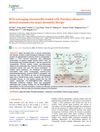
October 2025 in “Nano Research” In this study, researchers developed a dissolvable microneedle patch combining HA-TEMPO and Portulaca oleracea L.-derived nanoparticles, which effectively reduced oxidative stress and inflammation in an atopic dermatitis model while restoring immune balance, suggesting a promising treatment strategy.
September 2025 in “PeerJ” This study found that the genes FCER1A and RGS1 are promising biomarkers for diagnosing systemic lupus erythematosus, with FCER1A downregulated and RGS1 upregulated in patients.
198 citations
,
March 1999 in “Journal of Investigative Dermatology” This study found that keratin 15 expression is downregulated in hyperproliferative conditions like psoriasis and hypertrophic scars, suggesting it is not compatible with keratinocyte activation.
 3 citations
,
May 2023 in “Precision clinical medicine”
3 citations
,
May 2023 in “Precision clinical medicine” This study analyzed gene expression data to identify key genes involved in severe forms of alopecia areata, discovering four immune monitoring genes (LGR5, SHISA2, HOXC13, S100A3) with potential for early diagnosis and better understanding of the disease's biological mechanisms.
July 2024 in “Journal of Investigative Dermatology”  26 citations
,
May 2019 in “PLOS ONE”
26 citations
,
May 2019 in “PLOS ONE” This study observed that hair follicles in hair loss patients had increased levels of Propionibacterium acnes, potentially linked to elevated immune response gene expression in miniaturized hair follicles.
19 citations
,
July 2022 in “PNAS Nexus” This study identified a shared gene signature in scarring alopecia subtypes, with increased mast cell presence, suggesting similar treatment approaches may be effective across these hair loss disorders.
19 citations
,
July 2020 in “EBioMedicine” In this study, the researchers identified a variant in the CCHCR1 gene associated with an alopecia areata subtype characterized by impaired keratinization and autoimmune events.
 8 citations
,
February 2022 in “Molecules”
8 citations
,
February 2022 in “Molecules” This study found that Asparagus racemosus root extract significantly reduced facial sebum production and pore size in male volunteers, suggesting potential application as an anti-sebum ingredient in cosmetics.
 9 citations
,
December 2020 in “Journal of The American Academy of Dermatology”
9 citations
,
December 2020 in “Journal of The American Academy of Dermatology” This study found that platelet-rich plasma had limited efficacy in treating alopecia areata but may help restore immune balance in the affected areas.
29 citations
,
December 2022 in “Journal of Nanobiotechnology” In this study, IFN-γ-stimulated iPSC-derived mesenchymal stem cell extracellular vesicles improved atopic dermatitis in mice by reducing Th2 cytokine activity, suppressing inflammation, and restoring skin barrier function, as evidenced by decreased itching and inflammatory markers.
4 citations
,
October 2020 in “The journal of investigative dermatology. Symposium proceedings/The Journal of investigative dermatology symposium proceedings” This study suggests that IL-4 and IL-13 may play a role in the immunopathogenesis of alopecia areata in some patients, indicating a possible Th2-driven pathway in this condition.
July 2024 in “Journal of Investigative Dermatology” IL-13 protein is much higher in the skin of atopic dermatitis patients than in healthy skin.
July 2024 in “Journal of Investigative Dermatology” Brepocitinib improves cicatricial alopecia and reduces key immune markers.
 June 2023 in “Research Square (Research Square)”
 In this study, researchers used spatial transcriptome profiling to identify immune disturbances in the peri-infundibular region of androgenetic alopecia patients’ hair follicles, finding increased CD4+ T cells with a bias toward Th2 immune responses compared to controls.
 June 2022 in “Frontiers in Immunology”
 This report describes a case of alopecia universalis successfully treated with tofacitinib, though it was associated with increased peripheral blood cytokine levels.
April 2018 in “Journal of Investigative Dermatology” In this study, researchers observed that alopecia areata patients showed higher Th1 and Th2 responses against specific melanogenesis-related protein epitopes, suggesting a role in disease activity and potential targets for diagnostics and therapies.