 January 2026 in “Sciences and Clinical Pharmacy Research Journal”
 In this study, a 15% ethanol extract of Moringa oleifera leaves was most effective in improving wound healing, scab formation, and hair growth in hyperglycemic rats, compared to povidone iodine and lower extract concentrations.
This study found that Ca²⁺ signaling and peptidylarginine deiminase enzymes play a crucial role in activating neural stem cells in response to injury in zebrafish, suggesting potential therapeutic targets for CNS injuries and cancer.
 December 2025 in “Eastern Ukrainian Medical Journal”
 This study reviews current methods for making and using platelet-rich plasma and fibrin, emphasizing the variability in clinical outcomes due to differences in preparation protocols, and calls for standardized guidelines and large-scale studies for better effectiveness in regenerative medicine.
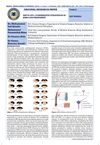 November 2025 in “PARIPEX-INDIAN JOURNAL OF RESEARCH”
 GFC is more effective than PRP for treating hair loss.
 October 2025 in “Dermatology Practical & Conceptual”
 This study found that ChatGPT 4.0 and Gemini 1.5 Flash provided more accurate and user-friendly responses to androgenetic alopecia questions than Deepseek R1, suggesting they could be effective tools for patient education with physician guidance.
 June 2025 in “Journal of medical and dental science research.”
 This article explores the potential of platelet-rich fibrin therapies for androgenetic alopecia and highlights their possible advantages over traditional treatments without reporting new clinical results.
In this study, researchers developed a mathematical model of outer hair cell hair bundles that replicates experimental responses to mechanical stimuli, providing insights into the stimulus-dependent adaptation mechanisms and the functional significance of their three-row stereocilia configuration in mammalian hearing.
 February 2025 in “Theranostics”
 In this study, researchers used 3D bioprinting with skin stem cells and specific hydrogels to create artificial skin that successfully promoted complete wound healing and the regeneration of skin structures, including hair follicles and blood vessels, in mice.
 December 2024 in “International Journal of experimental research and review”
 This study developed a stable nanoemulsion using ultrasonic vibrations and Tween 80 emulsifier, which can enhance the antibacterial activity and prolong the shelf life of food products, as well as be applicable in cosmetics and pharmaceuticals for oral and transdermal use.
 June 2024 in “International Journal of Research in Ayurveda and Pharmacy”
 This study explores Ayurvedic concepts for hair conditions such as hair loss, premature greying, alopecia areata, seborrheic dermatitis, and dandruff, highlighting treatments that include Panchakarma and Rasayana medicines for potential relief.
 June 2024 in “International Journal of Advanced Research in Science Communication and Technology”
 This study highlights the growing issue of hair loss around the world and explores the potential of using certain herbs, such as Ficus religiosa and coriander seeds, as natural treatments to promote hair growth and manage hair loss, particularly in India, with minimal side effects.
 April 2024 in “Jurnal Agroindustri Halal/Jurnal agroindustri halal”
 This study investigated formulations of hair tonic using Hormophysa triquetra seaweed and candlenut extract, finding that the variant with the highest seaweed extract content demonstrated superior physical stability and rapid hair growth in test animals due to its antioxidant properties.
 March 2024 in “Journal of Applied and Natural Science”
 This study found that administering an alcoholic extract of Mentha spicata leaves significantly reduced testosterone levels and aggressive behavior in female rats with elevated testosterone, suggesting its potential protective role against such symptoms.
 February 2024 in “Buletin Veteriner Udayana”
 In this study, a dog diagnosed with both ehrlichiosis and demodicosis showed significant clinical improvement after receiving a treatment regimen of doxycycline, ivermectin, diphenhydramine, vitamin B complex, and sulfur soap baths, noticeable by the 14th and 28th days of therapy.
 December 2023 in “Jurnal Penelitian Pendidikan IPA”
 In this laboratory study on mice, researchers found that both platelet-rich plasma and salmon DNA serum promoted wound healing, with platelet-rich plasma providing faster results due to its bioactive growth factors.
 November 2023 in “Indian journal of surgery”
 This study found that platelet-rich gel is a simple and effective non-surgical method for healing exposed skull injuries, resulting in complete healing with minimal scars and sparse hair growth in all patients.
 November 2023 in “Regenerative Biomaterials”
 This study developed a degradable and bioactive citrate-based polyurethane adhesive that achieves rapid and strong tissue adhesion, exhibiting improved bonding strength in wet environments, biocompatibility, biodegradability, and hemostatic properties, with potential to enhance wound healing by promoting angiogenesis.
This comprehensive review analyzes androgenetic alopecia treatments, discussing the mechanisms, costs, efficacy, and safety of FDA-approved drugs like minoxidil and finasteride, as well as newer non-FDA-approved options that have shown effectiveness across various studies.
 February 2023 in “International Journal of Multimedia Computing”
 In this study, improved hidden Markov algorithms based on Bayesian methods enhanced the resolution and segmentation accuracy of low-dose CT images significantly more than naive Bayesian methods.
 January 2023 in “Open Access Research Journal of Biology and Pharmacy”
 This review discusses the phytochemistry and pharmacological properties of Martynia annua but reports no new findings; it suggests the plant's various phytoconstituents offer scope for future research.
 January 2023 in “Annali di stomatologia”
 This review traces the development and application of Platelet-rich Plasma in regenerative medicine, emphasizing its role in tissue healing and bone regeneration, but reports no new clinical results.
 January 2023 in “Advances in pharmacology and clinical trials”
 This review highlights that human hair is a valuable biological matrix for clinical and toxicological analyses, demonstrating its applicability in detecting various active substances from different pharmacological classes.
 January 2023 in “Book of Abstracts”
 COVID-19 can cause different types of hair loss, with telogen effluvium being the most common.
 November 2021 in “Austin therapeutics”
 This review discusses the impact of chemotherapy-induced alopecia on cancer patients, the current use of scalp cooling for prevention, and potential future treatments, but presents no new clinical results.
 October 2021 in “Research Society and Development”
 This review discusses potential drug interactions between herbal medicines and oral contraceptives, reporting no new research results but highlighting the risk these interactions pose to contraceptive effectiveness.
 April 2020 in “Journal of the Endocrine Society”
 This case report emphasizes the importance of recognizing non-classic congenital adrenal hyperplasia as a cause of hyperandrogenism and the need for genetic counseling given potential familial implications.
This article reviews applications of optical coherence tomography techniques in medicine, including for diagnosing androgenic alopecia and monitoring blood coagulation, but provides no new clinical results.
 October 2018 in “Exercise Biochemistry Review”
 In this mouse study, aerobic exercise was found to protect the intestinal mucosal barrier in obstructive jaundice by inhibiting the HMGB1 / TLR4 / NF-κB signaling pathway through the H2S / CSE system.
 July 2018 in “International journal of clinical & experimental dermatology”
 This narrative review describes the components of human hair and their nutritional importance but reports no clinical results; the authors suggest dietary sulfur amino acids are essential for hair health.
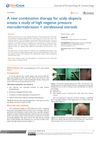 February 2018 in “Journal of dermatology & cosmetology”
 This study investigated a combination of high negative pressure microdermabrasion with intralesional steroid injections for treating alopecia areata, comparing its effectiveness to steroid injections alone.