 5 citations
,
January 2018 in “PubMed”
5 citations
,
January 2018 in “PubMed” In this study, applying a biodegradable microneedle patch after topical steroid application significantly increased steroid penetration and improved treatment outcomes in patients with prurigo nodularis compared to the control.
June 2025 in “Journal of Drug Delivery Science and Technology” A dissolving microneedle patch with dutasteride offers effective, long-lasting hair loss treatment with fewer side effects.
 January 2023 in “Theranostics”
 This study reported that a curcumin-zinc microneedle patch improved hair regrowth and wound healing in animal models, suggesting potential as a versatile treatment for hair loss.
 3 citations
,
July 2022 in “Dermatologic Therapy”
3 citations
,
July 2022 in “Dermatologic Therapy” This study reported that using non-absorbable magnesium microneedle patches for 12 weeks improved under-eye wrinkles as measured by a grading scale and wrinkle index, with minimal discomfort and no significant change in dermal thickness.
 1 citations
,
October 2025 in “Nano Research”
1 citations
,
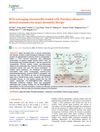
October 2025 in “Nano Research” In this study, researchers developed a dissolvable microneedle patch combining HA-TEMPO and Portulaca oleracea L.-derived nanoparticles, which effectively reduced oxidative stress and inflammation in an atopic dermatitis model while restoring immune balance, suggesting a promising treatment strategy.
 April 2026 in “bioRxiv (Cold Spring Harbor Laboratory)”
 This study introduced hydrogel microneedles loaded with palladium nanoparticles, which utilize the inherent cytotoxicity of polyethyleneimine to enhance the effectiveness of doxorubicin in treating melanoma, achieving a tumor inhibition rate of up to 98% in a murine model.
 May 2023 in “Current Medicinal Chemistry”
 This review highlights the potential of microneedle devices in dermatology for conditions like skin aging and autoimmune skin diseases, emphasizing their ability to facilitate targeted drug delivery by creating temporary skin pathways.
 February 2025 in “Advanced Composites and Hybrid Materials”
 This study reported that in animal studies of androgenetic alopecia, a biodegradable microneedle patch releasing glutamic acid promoted hair regeneration more effectively than daily minoxidil, with higher hair follicle counts and less frequent dosing, showing the potential for clinical application.
76 citations
,
January 2022 in “Journal of Tissue Engineering” This review summarizes recent progress in microneedle-based drug delivery systems and discusses their potential impact on cellular mechanisms and immunization signaling pathways, highlighting the need for further development in fabrication methods.
13 citations
,
November 2022 in “Biomaterials Science” This study demonstrated that a device combining hyaluronic acid-based dissolving microneedles and lipid polymer hybrid nanoparticles effectively delivered miR-218 to promote hair growth in a shaved mouse model, outperforming topical smear treatment without safety concerns.
1 citations
,
December 2022 in “Bioactive Materials” In this study, researchers developed a nanocomposite microneedle patch containing copper/zinc dual-doped silica nanoparticles, which release substances to promote hair follicle regeneration by targeting various pathophysiological aspects of androgenic alopecia, presenting an effective anti-hair loss treatment strategy.
 1 citations
,
June 2023 in “Chemical engineering journal”
1 citations
,
June 2023 in “Chemical engineering journal” In this laboratory study, a novel minoxidil-loaded microneedle patch demonstrated potential for treating alopecia areata by promoting slow drug release and reducing application frequency, while exhibiting antibacterial properties to prevent infection during use.
 January 2022 in “Social Science Research Network”
 This study demonstrates that a newly developed nanocomposite microneedle patch, releasing copper and zinc ions along with quercetin, effectively promotes hair follicle regeneration in androgenic alopecia by targeting various pathophysiological aspects of hair loss.
January 2025 in “Regenerative Biomaterials” This study found that a microneedle patch with recombinant collagen XVII significantly improved hair coverage, follicle density, and angiogenesis in an androgenic alopecia mouse model, showing potential as a novel therapeutic strategy alongside established treatments like minoxidil.

In this study, a pH-responsive microneedle patch was developed, showing potential in rat models for treating spinal cord injuries by reducing inflammation, promoting nerve regeneration, and supporting neurogenesis, which contributed to improved motor and neurological recovery.
March 2024 in “Journal of pharmacy & pharmaceutical sciences” This review discusses the design strategies and applications of long-acting polymeric microneedles, noting their potential to improve patient compliance and reduce side effects in chronic disease management, but reports no new experimental results.
 July 2025 in “Interdisciplinary materials”
 This study found that a microneedle patch integrating curcumin-loaded vesicles and a stem cell-derived matrix showed promise in reducing hypertrophic scars and promoting hair follicle formation in a rabbit model.
 2 citations
,
April 2024 in “Advanced Materials”
2 citations
,
April 2024 in “Advanced Materials” This study tested a hydrogel microneedle patch delivering T reg attractants in mice with alopecia, finding it boosted regulatory T cell numbers at the site, leading to hair regrowth without causing peripheral immunosuppression, suggesting a potential new approach for autoimmune skin disease treatment.
 28 citations
,
November 2020 in “Journal of Controlled Release”
28 citations
,
November 2020 in “Journal of Controlled Release” In this study, microneedles combined with finasteride nanostructured lipid carriers (FIN-NLC-MNs) were found to enhance skin penetration and specifically target hair follicles, promoting hair growth and gene regulation in androgenetic alopecia.
1 citations
,
July 2025 in “Advanced Science” This study developed multifunctional microneedle patches with CTB nanozymes that successfully eradicated MRSA infections in wounds by combining near-infrared laser-induced nitric oxide release and local hyperthermia, while also regulating oxidative stress, inflammation, and angiogenesis through specific signaling pathways.
 October 2025 in “Advanced Healthcare Materials”
 This study found that using a stevioside-based microneedle patch significantly increased minoxidil's solubility and skin absorption, promoting hair growth in animal models and achieving 67.5% area coverage by day 35, highlighting the potential of this novel delivery system for androgenetic alopecia treatment.
81 citations
,
October 2023 in “Bioactive Materials” This review highlights the promising potential of 3D printing for creating microneedles with precise customization and improved performance compared to traditional micromolding, emphasizing applications in personalized medical devices and advancements in biomedical fields.
July 2026 in “Journal of Investigative Dermatology” Alopecia totalis/universalis involves more intense immune activity and inflammation than patchy alopecia areata.
12 citations
,
November 2022 in “Cosmetics” This review discusses 3D printing developments in topical delivery systems, highlighting the potential for 3D printed microneedles to become prominent in personalized cosmetic applications, but reports no new experimental results.
 192 citations
,
April 2019 in “ACS nano”
192 citations
,
April 2019 in “ACS nano” In a mouse model, this study demonstrated that a microneedle patch system using keratin and integrated with MSC-derived exosomes and UK5099 promoted hair regrowth more efficiently than traditional delivery methods.
 21 citations
,
January 2023 in “Biomaterials Science”
21 citations
,
January 2023 in “Biomaterials Science” This study investigated the use of dissolving microneedle patches to improve the skin-lightening effects of alpha-arbutin and resveratrol, finding that the patches enhanced intradermal delivery and slightly decreased the melanin index without affecting skin hydration or causing irritation over 24 hours.
 10 citations
,
September 2024 in “Journal of Nanobiotechnology”
10 citations
,
September 2024 in “Journal of Nanobiotechnology” This study developed an antimicrobial microneedle patch for delivering apoptotic vesicles to treat infected wounds, which was found to effectively reduce bacterial growth and accelerate scarless healing, including the rapid formation of mature hair follicles in just 8 days, a previously unreported early outcome.
 December 2024 in “JURNAL ANALIS LABORATORIUM MEDIK”
 This study observed that wound healing occurred faster in healthy mice compared to diabetic mice, and diabetic wounds displayed persistent inflammatory cell presence when examined microscopically, highlighting delayed healing dynamics in diabetic conditions.
 16 citations
,
December 2018 in “ACS Biomaterials Science & Engineering”
16 citations
,
December 2018 in “ACS Biomaterials Science & Engineering” This research found that a biodegradable fibrous membrane incorporating fibroblast-derived ECM accelerated wound healing and improved neovascularization in a mouse model.
 April 2018 in “bioRxiv (Cold Spring Harbor Laboratory)”
 This study identified a specific genetic variant in the CCHCR1 gene that may contribute to alopecia areata through impaired keratinization, suggesting an alternative mechanism beyond autoimmune causes.