 August 2025 in “Annals of Medicine”
 This study found that mycophenolate mofetil can enhance skin pigmentation in vitiligo models by activating the WNT signaling pathway and increasing melanin-related gene expression.
4 citations
,
January 1989 January 2025 in “Global Journal of Medical Therapeutics” In this case report, a 28-year-old female developed allergic contact dermatitis from prolonged use of 5% topical minoxidil, suggesting that minoxidil itself may often be responsible for such reactions rather than propylene glycol.
 24 citations
,
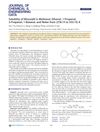
April 2011 in “Journal of Chemical & Engineering Data”
24 citations
,
April 2011 in “Journal of Chemical & Engineering Data” This study measured the solubility of minoxidil in various solvents, finding the highest solubility in methanol and lowest in water, with solubility correlating to temperature.
April 2023 in “International Journal of Pharmaceutics” In this study, melatonin-loaded Pickering emulsions stabilized by chitosan-dextran sulphate nanoparticles and enhanced with lecithin showed improved photostability, antioxidant activity, and follicular delivery in androgenic alopecia-affected rats, potentially rivaling commercial minoxidil for hair loss treatment.
17 citations
,
February 1987 in “Journal of the American Academy of Dermatology” This study observed that daily selenium sulfide shampoos successfully removed fungal spores hidden beneath the hair cuticle in patients infected with ectothrix Microsporum canis.
 December 2024 in “PubMed”
 This study reports a case where cyclosporine effectively treated a 51-year-old woman with idiopathic follicular mucinosis resistant to other therapies, suggesting its potential as an option for refractory cases.

This paper highlights the significant role of silicones in hair conditioners, noting their ability to enhance smoothness and manageability while also protecting against damage. The authors emphasize the growing importance of developing silicone-free, eco-friendly alternatives to meet evolving consumer preferences.
21 citations
,
May 2014 in “Toxicological Sciences” This study found that skin exposure to toluene diisocyanate in mice creates immune-recognition reservoirs in the skin's stratum corneum and hair follicles, potentially leading to sensitization and allergic reactions.
 1 citations
,
June 2021 in “Case reports in gastrointestinal medicine”
1 citations
,
June 2021 in “Case reports in gastrointestinal medicine” In this case study, a man's hair and nail symptoms, following dental treatments, resolved with mesalazine therapy after investigating suspected clindamycin allergy and diagnosing mucosal changes.
 2 citations
,
November 1987 in “Archives of Dermatology”
2 citations
,
November 1987 in “Archives of Dermatology” This study found that minoxidil was released 50% less from creams than from lotions, with a similar release profile across different lotion formulations, suggesting a specific vehicle composition for topical use.
 November 2022 in “Journal of Investigative Dermatology”
 This study developed a chalcone-based molecule that significantly increased tyrosinase inhibition and solubility, showing potential as a safe and effective skin depigmenting and antiaging agent, with supportive epigenetic and antioxidant properties observed in vitro.
21 citations
,
January 2017 in “MethodsX” This study found that methanol is more effective than isopropanol at removing external cortisol from grizzly bear hair and suggests that the choice of solvent can influence hair cortisol concentration results.
25 citations
,
May 2019 in “Cosmetics” This paper reviews the surface degradation of hair and describes how combining 18-MEA with specific surfactants can maintain hydrophobicity on bleached and weathered hair surfaces.
 1 citations
,
November 2022 in “Research Society and Development”
1 citations
,
November 2022 in “Research Society and Development” This review highlights the effectiveness of medicinal plants in treating symptoms of hair disorders, emphasizing their antifungal and antioxidant properties as supported by 23 selected studies.
6 citations
,
January 2015 in “Journal of clinical & experimental dermatology research” This study suggests that combining monoammonium glycyrrhizinate/glycine/DL-methionine tablets with 5% carpronium chloride may reduce alopecia areata area more effectively than carpronium chloride alone, particularly in patients with allergic factors.
 May 2015 in “Journal of The American Academy of Dermatology”
 There's a growing resistance to the antibiotic mupirocin in children's skin infections caused by MRSA in New York.
 1 citations
,
June 2023 in “Cureus”
1 citations
,
June 2023 in “Cureus” In a retrospective study, researchers found that topical spironolactone improved tear film quality and reduced inflammation related to meibomian gland dysfunction and evaporative dry eye in patients, demonstrating good tolerability and suggesting it as a potential therapy for managing the condition.
 October 2018 in “Springer eBooks”
 The document concludes that various topical medications are effective for skin conditions but often cause skin irritation as a side effect.
 June 2025 in “Indian Journal of Heterocyclic Chemistry”
 In this study, researchers developed a precise and rapid method for simultaneously analyzing minoxidil and finasteride in local therapeutic formulations, ensuring that the excipients did not interfere, making it suitable for routine quality control.
January 2023 in “Figshare” This meta-analysis found that a combination of clobetasol, hydroxychloroquine, and N-acetylcysteine may be the most effective treatment approach for lichen planopilaris compared to other therapies.
4 citations
,
March 2007 in “Annales de Dermatologie et de Vénéréologie” This review discusses the adverse effects of hair care products, highlighting irritation dermatitis and allergic contact eczema due to common allergens like paraphenylenediamine and glycerol monothioglycolate, but reports no clinical results.
January 2011 in “Journal of Jiangnan University” This study developed a validated method for analyzing minoxidil in hair care cosmetics, demonstrating good precision and recovery rates.
 February 2026 in “Cosmetics”
 This study found that upcycled postbiotic cell-free supernatants from Limosilactobacillus fermentum MG901 and MG4237 protected human dermal papilla cells from oxidative stress, enhancing wound-healing capacity and mitochondrial function, suggesting potential as a sustainable cosmetic ingredient for hair loss alleviation.
September 2001 in “Swiss Medical Forum ‒ Schweizerisches Medizin-Forum” 26 citations
,
May 1991 in “Clinical and experimental dermatology” In this study, oral etretinate resulted in increased hair length and loss of beading in a childhood monilethrix case, while the scalp's keratosis pilaris persisted.

This study outlines that hair styling products, commonly used for temporary transformations, often contain ingredients like surfactants and fragrances that can cause contact dermatitis on the face and scalp.
20 citations
,
April 2020 in “Journal of advanced Biomedical and Pharmaceutical Sciences” This study investigated the use of methylene blue in a niosomal hydrogel for photodynamic treatment of acne and found that it led to significant improvement in inflammation compared to IPL treatment.

This study validated an HPLC-UV method to detect minoxidil in cosmetic products and found that 2 out of 9 analyzed products contained minoxidil, despite international regulations banning its inclusion due to potential systemic absorption.
 January 2011 in “Journal of Society of Cosmetic Chemists of Japan”
 This study found that a conditioner containing 18-MEA and SPDA can improve hair's smoothness and reduce flyaways, enhancing hair manageability.