 March 2026 in “Zenodo (CERN European Organization for Nuclear Research)”
 This publication presents a library of geometric medicines designed to selectively target pathogenic bacteria and fungi with high precision while minimizing ecological harm, available for free on a non-commercial basis.
 1 citations
,
October 2025 in “Nano Research”
1 citations
,
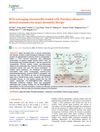
October 2025 in “Nano Research” In this study, researchers developed a dissolvable microneedle patch combining HA-TEMPO and Portulaca oleracea L.-derived nanoparticles, which effectively reduced oxidative stress and inflammation in an atopic dermatitis model while restoring immune balance, suggesting a promising treatment strategy.
 1 citations
,
June 2022 in “Chinese medical journal/Chinese Medical Journal”
1 citations
,
June 2022 in “Chinese medical journal/Chinese Medical Journal” This study identified two novel mutations in the CDH3 gene causing HJMD in a Chinese patient, expanding the genetic and phenotypic understanding of the disorder.
January 2008 in “中山醫學大學醫學研究所學位論文” This study found that Danthron induced apoptosis in a human malignant melanoma cell line through mitochondrial, endoplasmic reticulum, and death receptor pathways.
1 citations
,
June 2016 in “FEBS open bio” This study reports that topical fish oil treatment in GsdmA3 Dfl/+ mice increased cellular proliferation and macrophages but did not affect COX-2 expression related to psoriasis-like skin changes.
July 2026 in “Theranostics” This study developed a novel ferritin-based delivery system (LR@Fn) that effectively co-delivers RG108 and LLY283 for hearing loss treatment in animal models, reducing hair cell loss and synaptic damage more effectively than dexamethasone.
 April 2017 in “Journal of Investigative Dermatology”
 In laboratory tests and mouse models, this study found that the novel IPC analog SIG-1451 may offer potent anti-inflammatory effects for treating allergic skin inflammation, potentially outperforming some current therapies in specific inflammatory phases.
 February 2010 in “Journal of The American Academy of Dermatology”
 NB-002 is a promising new topical treatment for fungal nail infections, showing better results than a non-medicated option.
66 citations
,
August 2007 in “Applied and environmental microbiology” This study engineered a bioluminescent yeast strain responsive to androgenic chemicals, demonstrating rapid and sensitive detection suitable for high-throughput screening and environmental monitoring.
 1 citations
,
December 2022 in “Animals”
1 citations
,
December 2022 in “Animals” This study found that miR-27a may influence sheep hair follicle stem cell proliferation and apoptosis by targeting PIK3R3, affecting the AKT/MTOR pathway.
In this study, a newly designed protein degrader targeting androgen receptors showed promise in reversing hair regrowth inhibition in a mouse model of androgenetic alopecia, suggesting potential as a novel and safe treatment strategy.
 February 2026 in “Nano Research”
 In this study, researchers developed a near-infrared-responsive nanoplatform that synergistically enhances chronic wound healing by accelerating mitochondrial restoration and immune modulation, leading to enhanced wound repair and high-quality healing in diabetic rat models.
12 citations
,
January 2023 in “AAPS PharmSciTech” September 2024 in “Journal of the American Academy of Dermatology”  March 2026 in “Zenodo (CERN European Organization for Nuclear Research)”
 This publication presents a library of precision geometric medicines that reportedly kill harmful bacteria and fungi while sparing beneficial organisms, using a delivery system that targets pathogens specifically and avoids ecological harm.
 6 citations
,
October 2018 in “Bioelectromagnetics”
6 citations
,
October 2018 in “Bioelectromagnetics” This study found that treating a 3D hair dermal papilla model with rice bran extract and electromagnetic fields increased melanogenesis, suggesting potential for vitiligo and white hair therapies.
May 2026 in “Chemical Engineering Journal” August 2026 in “Ebers Papyrus” This study concluded that allele-specific PCR (AS-PCR) is more reliable than tetra-primer ARMS-PCR for genotyping the SNP rs1998076 due to better stability and interpretability.
 1 citations
,
June 2023 in “ScienceRise Pharmaceutical Science”
1 citations
,
June 2023 in “ScienceRise Pharmaceutical Science” This study explored a computer simulation method for selecting emulsion compositions in dermatology, finding that the PS biocomplex can be effectively used as an emulsifier or co-emulsifier, which streamlines the development process and reduces experimental demands.
March 2023 in “Asian Journal of Beauty and Cosmetology” This study found that the herbal extract HX109 promoted hair growth in mice by increasing cell viability and enhancing hair regrowth, with the effects increasing as doses rose.
 2 citations
,
August 2022 in “Korean journal of medicinal crop science/Han-gug yagyong jagmul hag-hoeji”
2 citations
,
August 2022 in “Korean journal of medicinal crop science/Han-gug yagyong jagmul hag-hoeji” This study investigated the antioxidant and anti-inflammatory effects of the plant extract BLH308 and its potential to reduce hair loss, showing significant antioxidant activity in vitro.
 October 2007 in “Clinical Biochemistry”
 This study identified a new genotype, V281+I172N/V281L, linked to non-classical 21-hydroxylase deficiency, suggesting it should be considered in genetic panels for the condition.
 May 2024 in “Archives of dermatological research”
 This study found that Enz_MoriL, a compound derived from Morus alba L., promotes hair follicle cell proliferation by affecting the Wnt/β-catenin pathway and can counteract an alopecia areata-like condition by suppressing the JAK-STAT signaling in human hair follicle dermal papilla cells.
15 citations
,
May 2009 in “Chemical Physics Letters” This study demonstrated that a metric based on rotational echo intensity in 2H magic-angle spinning NMR can derive kinetic information for conformational exchange without complex modelling, achieving activation barriers consistent with prior findings.
 47 citations
,
December 2019 in “Frontiers in immunology”
47 citations
,
December 2019 in “Frontiers in immunology” This study identified a novel G207E STING mutation associated with severe inflammatory symptoms and suggested that common polymorphisms in TMEM173 and IFIH1 may modify the phenotype in affected individuals.
 2 citations
,
March 2015 in “Toxicology and Environmental Health Sciences”
2 citations
,
March 2015 in “Toxicology and Environmental Health Sciences” This study found that rice bran supercritical CO₂ extract was classified as a non-irritant for ocular use but a moderate irritant for dermal use in rabbits and guinea pigs.
12 citations
,
June 2020 in “The anatomical record” This study found that miR-203a-3p downregulates Smad1, promoting the differentiation of loureirin A-induced hair follicle stem cells, suggesting it could be a potential therapeutic target for skin wound healing.
 May 2024 in “Journal of cosmetic dermatology”
 This study investigated the effects of heat-treated Limosilactobacillus fermentum LM1020 on hair growth and reported increased hair density, improved cellular activity, and beneficial scalp microbiota changes in patients with androgenetic alopecia over 24 weeks.
 20 citations
,
May 2013 in “International Journal of Molecular Medicine”
20 citations
,
May 2013 in “International Journal of Molecular Medicine” This study identified a novel missense MAFB variant in a family with some unaffected members, suggesting incomplete penetrance and the potential influence of modifier genes, epigenetic mechanisms, or environmental factors on MCTO phenotype.