November 2025 in “OPAL (Open@LaTrobe) (La Trobe University)” In this study, researchers developed a hierarchically engineered microreactor that effectively combats infected wounds by releasing antimicrobials at acidic sites, eradicating MRSA while avoiding resistance, and enhancing tissue repair through immune system modulation.
1 citations
,
August 2021 in “Journal of Investigative Dermatology” ASLAN004 was safe and well-tolerated, supporting further development for treating certain diseases.
 June 2018 in “The Journal of Sexual Medicine”
 In this study, finasteride was found to significantly reduce DHT levels and affect spermatogenic markers in rats, while DA-9401 co-treatment indicated potential ameliorative effects.
 April 2017 in “The journal of investigative dermatology/Journal of investigative dermatology”
 In a guinea pig model of dermatophytosis, this study found that subcutaneous CD101, dosed once weekly, demonstrated significant clinical and mycological efficacy compared to the vehicle control and the oral antifungal terbinafine, suggesting potential for CD101 in treating fungal skin infections.
This study found that ocu-miR-205 influences hair follicle density in Rex rabbits by promoting dermal papilla cell apoptosis and transforming hair follicles from growth to resting phases through signaling pathway modulation.
1 citations
,
December 2022 in “Bioactive Materials” In this study, researchers developed a nanocomposite microneedle patch containing copper/zinc dual-doped silica nanoparticles, which release substances to promote hair follicle regeneration by targeting various pathophysiological aspects of androgenic alopecia, presenting an effective anti-hair loss treatment strategy.
 8 citations
,
January 2021 in “Pharmaceutics”
8 citations
,
January 2021 in “Pharmaceutics” This study found that using nanoporous silica entrapped lipid-drug complexes enhanced the solubility and bioavailability of dutasteride in beagle dogs.
 33 citations
,
December 2012 in “NMR in Biomedicine”
33 citations
,
December 2012 in “NMR in Biomedicine” This study reports that microencapsulation of therapeutic cells with contrast agents enables visualization across multiple imaging modalities, potentially improving cellular immunoprotection and tracking after transplantation.
 16 citations
,
February 2014 in “Journal of Investigative Dermatology”
16 citations
,
February 2014 in “Journal of Investigative Dermatology” This study developed a mouse model to monitor hair follicle cycling macroscopically through live bioluminescence imaging, enabling detailed analysis of hair cycle and propagation dynamics influenced by environmental factors.
June 2023 in “Zenodo (CERN European Organization for Nuclear Research)” December 2014 in “Nicolaus Copernicus University Repository (Nicolaus Copernicus University)” In this study, UV-light at 254 nm and Polyquaternium-7 treatment were found to affect the mechanical properties and surface structure of hair.
3 citations
,
November 2022 in “Molecules/Molecules online/Molecules annual” This study found that ingesting Lactobacillus paracasei HY7015 and Lycopus lucidus Turcz. extract promoted hair regrowth and follicle maturation in mice by enhancing cytoprotective effects and growth factor expression.
September 2024 in “Journal of the American Academy of Dermatology”  32 citations
,
December 2013 in “Biological & Pharmaceutical Bulletin”
32 citations
,
December 2013 in “Biological & Pharmaceutical Bulletin” In this study, rice bran supercritical CO2 extract demonstrated potential to promote hair growth in mice, increasing hair follicles and growth factor expression, similarly to 3% minoxidil.
May 2025 in “International Journal of Biological Macromolecules” In this study, an innovative microneedle platform loaded with IGF-1 and modified collagen was reported to significantly promote hair regeneration, enhance neovascularization, and reduce inflammation in a mouse model of androgenetic alopecia, outperforming the commonly used minoxidil treatment.
April 2019 in “Journal of Investigative Dermatology” This study developed an Asian human sebocyte cell line from breast skin tissue that can be used for sebaceous gland biology investigations, showing that Y27632 may promote cell growth through EGFR-CRAF-MEK-ERK and AKT pathways.
February 2023 in “Zenodo (CERN European Organization for Nuclear Research)” This abstract discusses the lack of understanding and sympathy for women experiencing alopecia but reports no new research findings.
February 2026 in “ACS Applied Materials & Interfaces” This study developed a novel treatment method using carbon dots from Cinnamomum burmannii leaves, which improved hair regeneration and thickness in an AGA mouse model by promoting cell proliferation, angiogenesis, and reducing inflammation through multiple signaling pathways.
This study found that combining Ganoderma lucidum extract with microneedle therapy promoted hair growth in a mouse model of alopecia more effectively than microneedle therapy alone.
January 2025 in “Journal of Controlled Release” This study developed a gas-propelled microneedle patch with puerarin/quercetin nanoparticles, which demonstrated improved hair-regenerating effects in an androgenetic alopecia mouse model by increasing drug delivery, alleviating oxidative stress, promoting angiogenesis, and rejuvenating senescent cells.
 10 citations
,
September 1997 in “Molecular carcinogenesis”
10 citations
,
September 1997 in “Molecular carcinogenesis” This study found that mirex and TPA promote papilloma formation in CD-1 mouse skin through distinct populations of mutant Ha-ras cells, resulting in additive tumor yields.
December 2025 in “Journal of Dermatological Treatment” This randomized trial found that topical GT20029 significantly increased hair counts and width in Chinese men with androgenetic alopecia over 12 weeks, showing better results than placebo, with the 0.5% once daily and 1.0% twice weekly doses particularly effective.
This study found that ocu-miR-205 promotes changes in signaling pathways and shifts in hair follicle phases, affecting Rex rabbit hair density by increasing secondary follicles.
 July 2020 in “CRS 2020 Virtual Annual Meeting”
 This study found that the newly developed microarray patches for intradermal delivery of finasteride showed high drug content and significantly improved skin deposition compared to existing methods.
May 2026 in “Microchemical Journal”  April 2016 in “The Journal of Sexual Medicine”
 This report analyzed an FDA adverse event database and aimed to evaluate and describe post-finasteride syndrome potentially related to dutasteride, but it does not report new clinical findings.
 1 citations
,
October 2022 in “Research Square (Research Square)”
1 citations
,
October 2022 in “Research Square (Research Square)” This study found that melatonin treatment in Cashmere goat kids enhances the density of secondary hair follicles and improves Cashmere quality by regulating the MAPK pathway and reducing cell apoptosis.
September 2023 in “Zenodo (CERN European Organization for Nuclear Research)”  March 2026 in “Zenodo (CERN European Organization for Nuclear Research)”
 This publication presents a library of geometric medicines designed to selectively target pathogenic bacteria and fungi with high precision while minimizing ecological harm, available for free on a non-commercial basis.
 1 citations
,
October 2025 in “Nano Research”
1 citations
,
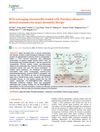
October 2025 in “Nano Research” In this study, researchers developed a dissolvable microneedle patch combining HA-TEMPO and Portulaca oleracea L.-derived nanoparticles, which effectively reduced oxidative stress and inflammation in an atopic dermatitis model while restoring immune balance, suggesting a promising treatment strategy.