May 2024 in “NATIONS UNIVERSITY INTERNATIONAL JOURNAL OF MULTI-DISCIPLINARY STUDIES” This study found that Equisetum arvense, or horsetail, water extracts prepared with polyethylene glycol in an ultrasonic bath yielded the highest levels of phenolic compounds, such as hydroxycinnamic acids and flavonoids, indicating that this method improves the release of biologically active substances.
 September 2022 in “Research Square (Research Square)”
 This study found that caffeic acid treatment mitigated the negative effects of acrylamide toxicity in Wistar rats by normalizing tissue and serological indices.
 March 2026 in “Scientific Reports”
 This study found that Cnidium officinale extract and its compound ferulic acid improved hair growth by promoting dermal papilla cell function and mitochondrial activity, suggesting their potential as a new treatment option for alopecia, possibly through estrogen receptor alpha activation.
 8 citations
,
January 2016 in “Annals of Dermatology”
8 citations
,
January 2016 in “Annals of Dermatology” This study found that the ALAVAX complex, containing 5-ALA and GHK peptide, may increase hair count in male pattern hair loss patients over 6 months without adverse events.
December 2022 in “Scientific Reports” This study found that caffeic acid amide derivative, compound 4, effectively inhibited steroid 5α-reductase type 1 in vitro, suggesting potential for development as a treatment for androgenic alopecia.
29 citations
,
January 2020 in “BioMed Research International” This study found that sinapic acid promotes the browning of 3T3-L1 adipocytes and may offer therapeutic potential for obesity by influencing mitochondrial biogenesis through the p38 MAPK/CREB signaling pathway.
 5 citations
,
September 2020 in “Molecules”
5 citations
,
September 2020 in “Molecules” In this study, extracts from three Polynesian plants—Bidens pilosa, Calophyllum inophyllum, and Fagraea berteroana—were found to increase dermal papilla cell proliferation and modulate hair growth-related gene expression, suggesting potential for stimulating hair growth.
 14 citations
,
October 2016 in “Psychoneuroendocrinology”
14 citations
,
October 2016 in “Psychoneuroendocrinology” This study identified significant changes in the expression of nine proteins in the nucleus accumbens of rats treated with finasteride, suggesting potential novel targets for its neuropsychiatric effects.
 1 citations
,
January 2013 in “Springer eBooks”
1 citations
,
January 2013 in “Springer eBooks” Cosmeceuticals may benefit skin health but need more research for efficacy and safety confirmation.
 April 2026 in “Inflammopharmacology”
 This study found that Punica granatum ethanolic leaf extract may alleviate skin fibrosis in rats by modulating inflammation-related pathways and reducing dermal alterations.
 February 2026 in “Molecules”
 This study reported that a novel nanomedicine combining berberine and sinapic acid significantly inhibited the growth of mouse mammary carcinoma cells and demonstrated an anti-tumor effect in vivo, without significant systemic toxicity after 28 days, suggesting a promising, low-toxicity therapeutic strategy for breast cancer.
 7 citations
,
July 2019 in “International Journal of Molecular Sciences”
7 citations
,
July 2019 in “International Journal of Molecular Sciences” This study found that PGA-4HGF nanoparticles enhanced hair growth in mice more effectively than 4HGF alone by increasing anagen phase duration and dermal papilla cell proliferation.
 August 2025 in “ACS Omega”
 This study synthesized and evaluated hydroxycinnamate derivatives for their ability to inhibit human SRD5A1, finding that three compounds showed significant inhibitory activity and low cytotoxicity. Compound 10a notably reduced SRD5A1 protein expression in cells, suggesting potential for nonsteroidal treatment of androgen-related conditions.
In this study, aqueous and aqueous-alcoholic extracts of Ajuga reptans showed promising hepatoprotective and wound-healing properties, with significant effects observed in experimental models, suggesting potential for development into official medicinal products pending further research.
June 2023 in “University of Thi-Qar Journal of Science” This review discusses the various uses of retinoids, derived from vitamin A, in cosmetic and dermatological treatments for conditions like acne, psoriasis, and skin aging. The authors emphasize retinoids' limited use due to their susceptibility to degradation and safety concerns, particularly with retinoic acid.
 21 citations
,
June 2022 in “Molecules”
21 citations
,
June 2022 in “Molecules” This review discusses the phytochemistry and pharmacological activities of Perilla frutescens, detailing its bioactive compounds and their potential health benefits, but reports no new clinical results.
12 citations
,
June 2024 in “Nutrients” In this review, researchers highlighted that natural polyphenolics like flavonoids and resveratrol may help enhance testosterone production in aging males by boosting the expression of the Star gene in Leydig cells, potentially preventing age-related degenerative conditions linked to testosterone insufficiency.
4 citations
,
August 2025 in “Molecules” This study highlights the potential of medicinal plants like Rubus vulgaris and Plantago major as sources for skin disorder treatments due to their bioactive compounds' antioxidant, anti-inflammatory, and antimicrobial effects.
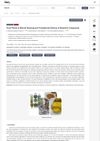
This review highlights the potential of plant-derived natural compounds as biocompatible and biodegradable materials in dermal and transdermal delivery systems, emphasizing their unexplored benefits and detailing recent advances in isolation techniques and drug delivery technologies.
21 citations
,
February 2023 in “Pharmaceuticals” This study reports that extracts from pomegranate leaves contain bioactive compounds with antioxidant, antimicrobial, and skin-beneficial properties, suggesting their potential use in nutraceutical and cosmeceutical applications.
5 citations
,
January 2025 in “Pharmaceuticals” This review highlights the potential of Coffea arabica as an active ingredient in skincare, noting its bioactive compounds from leaves and beans show promising anticellulite, anti-inflammatory, antioxidant, and anti-aging properties, with unique phenolic concentrations in leaves offering enhanced skin benefits.
4 citations
,
December 2024 in “International Journal of Molecular Sciences” This study found that extracts from Hom Thong banana peels, rich in phenolic compounds, may inhibit melanin production in human and mouse melanoma cells, showing potential as anti-melanogenic agents comparable to standard treatments like arbutin and kojic acid.
 9 citations
,
November 2022 in “Applied sciences”
9 citations
,
November 2022 in “Applied sciences” This review explores marine algae-derived phenolic compounds and their potential cosmeceutical benefits, but reports no new clinical results.
 15 citations
,
January 2021 in “Cellular and Molecular Biology”
15 citations
,
January 2021 in “Cellular and Molecular Biology” This study found that Prosopis farcta is a rich source of phenolic compounds with strong antioxidant activity, suggesting its potential for use in food, beverage, feed, and pharmaceutical applications.
 January 2026 in “Food and Feed Research”
 This review highlights the traditional medicinal uses, phytochemical composition, and pharmacological properties of Musa paradisiaca, noting its applications in treating diarrhea and other conditions, and identifying key bioactive compounds with antimicrobial, antioxidant, and other bioactivities through in vitro and in vivo studies.
 11 citations
,
February 2021 in “Trends in Food Science and Technology”
11 citations
,
February 2021 in “Trends in Food Science and Technology” This review explores the potential of edible flowers, particularly the genus Impatiens, for their chemical, nutritional, and bioactive properties but does not report new clinical findings.
 45 citations
,
January 2020 in “International Journal of Molecular Sciences”
45 citations
,
January 2020 in “International Journal of Molecular Sciences” This review discusses the potential of plant polyphenols to overcome multidrug resistance in various solid cancers and reports no new experimental results; further research is suggested.
53 citations
,
July 2021 in “International Journal of Molecular Sciences” This study found that extracts from Geranium pyrenaicum show promising antioxidant, enzyme inhibitory, and antiviral activities, particularly the methanolic extract's antiviral activity against HSV-1.
16 citations
,
April 2022 in “Journal of Food Quality” This study found that blueberry waste in Australia has high phenolic content and antioxidant potential, suggesting potential uses in food, pharmaceutical, and nutraceutical industries.
12 citations
,
December 2023 in “Antioxidants” In this study, researchers found that blackberry leaves exhibited higher liposoluble antioxidant levels and inhibited lipid peroxidation more effectively than raspberry leaves, while raspberry leaves showed greater water-soluble antioxidant content and hydroxyl radical inhibition in vitro.