 October 2025 in “Zenodo (CERN European Organization for Nuclear Research)”
 This review describes how sex hormones like estrogens and androgens influence skin health, linking hormonal fluctuations to conditions such as acne and hair loss, and underscores the importance of a multidisciplinary approach to treatment that includes mental health support.
 September 2025 in “Jinekoloji-Obstetrik ve Neonatoloji Tıp Dergisi”
 This review explores how fluctuations in female sex steroid hormone levels affect periodontal health in women, noting that collaboration between dentists and gynecologists may improve diagnosis and treatment of hormone-related periodontal conditions.
 February 2025 in “IntechOpen eBooks”
 This chapter examines how hormonal changes during the postpartum period, alongside various external factors, impact mother and infant well-being, addressing challenges like postpartum depression, fatigue, and healthcare access, while stressing the need for improved medical training focused on maternal and fetal health.
 January 2025 in “Ginekologia Polska”
 In this study, researchers found that certain vitamin D receptor gene polymorphisms are significantly related to insulin concentration during a glucose tolerance test in young women with hyperandrogenism, but these polymorphisms did not affect bone metabolism or other biochemical parameters.
 January 2025 in “HORMONES”
 This systematic review reported positive outcomes with gender-affirming hormone therapy in Canada and emphasized the urgent need for standardized outcome measurement tools to enhance evidence-based practices.
 January 2025 in “International Journal of Dermatology Sciences”
 This study found that among women with PCOS, common skin conditions like hirsutism and acne significantly affect quality of life, particularly impacting social and physical domains as measured by the WHOQOL-BREF.
 January 2025 in “Dermatology and Therapy”
 This review updates dermatologists on both FDA-approved and off-label hormonal therapies, including combined oral contraceptives, clascoterone, and spironolactone, used for acne treatment, providing insights into emerging approaches for managing the condition.
 January 2025 in “Medical Research Archives”
 This review discusses the crucial role of sex hormones in maintaining and influencing skin health, suggesting ongoing research into hormonal treatments for skin conditions due to life stage changes.
 December 2024 in “Journal of Neonatal Surgery”
 In this study, researchers found that increased androgen levels, such as testosterone, and insulin resistance are strongly associated with more severe acne in adult women, along with a higher incidence of menstrual irregularities and PCOS characteristics.
 September 2024 in “Medicina”
 This study found that among women with PCOS, the FokI CC genotype of the VDR gene may offer protection against acne and seborrhea, while the VDR-TaqI dominant genotype is associated with reduced oxidative stress.
September 2024 in “Digital Commons - University of South Florida (University of South Florida)” This study found that injecting various hormones or hormone-cholesterol mixtures into Willow Ptarmigan and White-tailed Ptarmigan led to the growth of pigmented feathers instead of the usual white winter feathers, suggesting hormonal influence on plumage color changes.
 July 2024 in “Biological and Clinical Sciences Research Journal”
 This review reports that transgender individuals undergoing hormonal therapy for gender transition face increased risks of cardiovascular disorders, brain tumors, changes in bone density, metabolic disorders, and other health issues, while highlighting the necessity of this therapy for gender transformation.
 December 2023 in “International Journal of Research in Dermatology”
 This study evaluated hormonal differences in males with early androgenetic alopecia, finding increased serum testosterone, prolactin, LH, LH/FSH, and FAI levels, with decreased FSH and SHBG levels, compared to controls without hair loss.
May 2022 in “Hormones and behavior” This study found that hair cortisol levels in black-tailed prairie dogs, influenced by factors like predation risk and lactation, were associated with reproductive success, supporting the Cort-Adaptation hypothesis.
 March 2022 in “Scientific Journal of Kurdistan University of Medical Sciences”
 This randomized clinical trial found that oral contraceptives containing desogestrel were associated with more adverse effects on serum lipids and blood pressure compared to those containing drospirenone in patients with polycystic ovary syndrome.
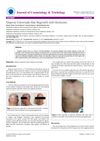 January 2017 in “Journal of cosmetology & trichology”
 This case study describes a man with long-standing alopecia universalis who experienced hair regrowth after taking testosterone, chorionic gonadotropin, and DHEA-S.
 January 2017 in “Elsevier eBooks”
 This study suggests that progesterone may have a complex role in absence epilepsy, facilitating seizures through conversion to allopregnanolone, but potentially reducing them during pregnancy.
Hormonal treatments can help with hair loss, acne, and excess hair growth, but it takes 3-6 months to see results and patients should know the possible side effects.
 November 2014 in “John Wiley & Sons, Ltd eBooks”
 This review discusses hormones that affect acne and highlights a statistically significant link between a low-glycemic-load diet and reduced acne activity, but reports no new experimental findings.
 February 2014 in “Revista Argentina de Cardiología”
 In this study, testosterone was found to increase the risk of arrhythmias in a rat heart model, while finasteride reduced this arrhythmogenic effect.
 June 2013 in “Expert Review of Dermatology”
 The article concludes that hormonal therapy is an effective long-term acne treatment, even for those without hormonal imbalances.
 October 2011 in “Dermato-endocrinology”
 Hormones significantly affect skin health, with vitamin D playing a key role.
 August 2010 in “Springer eBooks”
 Hormonal contraceptives are effective for teens but require careful consideration of side effects and individual health.
 January 2008 in “Dermatology Online Journal”
 This review explores potential treatments for female androgenetic alopecia, noting that anti-hormonal therapies may be beneficial for some women, but emphasizes the need for further research and effective solutions.
January 2008 in “LA Referencia (Red Federada de Repositorios Institucionales de Publicaciones Científicas)” This study found that the gene for the enzyme aromatase is expressed in scalp hair follicles of women and is negatively correlated with LH levels, potentially reflecting the hormonal environment of hair follicles in PCOS.
This article reviews the hormonal pathogenesis of acne vulgaris and androgenetic alopecia, emphasizing various hormonal factors beyond androgens, but reports no new clinical findings.
January 1986 in “The Nishinihon Journal of Dermatology” Hormones can cause hair loss and affect hair growth.
 February 1976 in “PubMed”
 This article discusses the effectiveness and indications of sex hormone therapy for various skin disorders and emphasizes the importance of avoiding androgen-effective contraceptives, but reports no new clinical results.
October 2025 in “Scientia Generalis” In this narrative review, the authors observed that prolonged stress, by increasing cortisol and affecting androgenic hormones, can harm hair follicles, leading to inflammation and worsening of alopecia areata and androgenetic alopecia.
 March 2024 in “CRC Press eBooks”
 This chapter reviews hormonal imbalances and related disorders, discussing nutraceuticals—such as cod liver oil, green tea, and Omega-3s—that may alleviate symptoms and improve hormonal fluxes in lieu of traditional synthetic treatments that have potential side effects.