 22 citations
,
December 2013 in “Molecular biology of the cell”
22 citations
,
December 2013 in “Molecular biology of the cell” This study found that ILK deficiency disrupts hair follicle development by impairing cell polarity and laminin-511 assembly, but these defects can be partially reversed with exogenous laminin-511.
128 citations
,
August 2020 in “Cell stem cell” In this study, researchers found that extrafollicular progenitors marked by Hic1 are the main contributors to reparative fibroblasts in wound repair, with potential to modulate healing outcomes through genetic and pharmacological interventions.
 7 citations
,
August 2021 in “Heliyon”
7 citations
,
August 2021 in “Heliyon” This study suggests that the herbal formulation Phyllotex™ may promote hair growth in androgenetic alopecia by enhancing cell proliferation and reducing oxidative stress and TGF-β1 expression in vitro.
 1 citations
,
August 2024 in “Pharmaceuticals”
1 citations
,
August 2024 in “Pharmaceuticals” This study found that goat placenta extract, when combined with PEGylated liposomes and microspicule gel, significantly promoted hair regrowth in patients experiencing hair loss due to chemotherapy by enhancing hair cell proliferation without causing skin irritation over a 12-week application period.
February 2024 in “Cosmetics” In this study, researchers developed a novel platform for discovering potential hair loss inhibitors by investigating the testosterone/dihydrotestosterone biosynthetic pathway and its regulation through biochemical mechanisms involving 17β-HSD and 3β-HSD, combined with medicinal plant extracts.
 May 2024 in “FEBS open bio”
 In this study, testing Annurca apple extract on human follicle dermal papilla cells indicated its potential to prevent patterned hair loss by reducing oxidative stress and increasing factors involved in hair growth.
 January 2023 in “Frontiers in bioscience”
 This study suggests that Artemis, particularly phosphorylated at serine 516, may have roles in hair follicle growth by influencing differentiation, proliferation, apoptosis, and cell cycling.
 8 citations
,
June 2022 in “Cosmetics”
8 citations
,
June 2022 in “Cosmetics” This study found that coffee berry extract demonstrated anti-aging properties in skin and hair cells, showing significant anti-collagenase activity and stimulating hair-related gene expression, suggesting its potential for use in cosmeceuticals.
 February 2026 in “Cosmetics”
 This study found that bovine milk-derived exosomes (MEV-miRNAs) significantly increased hair follicle dermal papilla cell viability and up-regulated key WNT signaling components in human hair follicles, suggesting potential therapeutic benefits for androgenetic alopecia and telogen effluvium through modulation of hair growth pathways.
 2 citations
,
March 2019 in “Lasers in surgery and medicine”
2 citations
,
March 2019 in “Lasers in surgery and medicine” This study found that human hair follicles demonstrated a dose-dependent response to light in an ex vivo photoepilation model, which could predict the clinical efficacy and permanency of light-based hair removal devices.
99 citations
,
September 2007 in “The American journal of pathology” This study found that organ-cultured human scalp hair follicles can mimic chemotherapy-induced damage in vivo and serve as a model to explore molecular targets and protective agents for hair follicle preservation.
9 citations
,
April 2024 in “Heliyon” This review highlighted significant properties of probiotics that can promote hair growth and reduce dandruff, offering guidance for future research to scale these findings to pilot studies.
 23 citations
,
January 2021 in “Biomedicine & Pharmacotherapy”
23 citations
,
January 2021 in “Biomedicine & Pharmacotherapy” This study found that dihydrotestosterone induced hair loss and changes in hair morphology in male C57BL/6 mice, effects that could be partially reversed by the AR antagonist bicalutamide.
 42 citations
,
February 2017 in “Scientific Reports”
42 citations
,
February 2017 in “Scientific Reports” In this study, researchers differentiated induced pluripotent stem cells into cells with dermal papilla-like properties, demonstrating their potential role in hair follicle bioengineering and drug testing for hair growth.
 3 citations
,
January 2022 in “Scientific Reports”
3 citations
,
January 2022 in “Scientific Reports” This study found that SAMiRNA-AR68, a nanomedicine targeting androgen receptor mRNA, increased hair counts in androgenetic alopecia patients with no observed side effects.
2 citations
,
January 2009 in “Human cell culture” 3 citations
,
August 2018 in “Stem cells international” This study found that cultured hair follicle dermal cells support maintenance and potentially aid in the clinical application of pluripotent and haematopoietic stem cells.
11 citations
,
June 2010 in “Medical Molecular Morphology”  February 2020 in “International Journal of Current Microbiology and Applied Sciences”
 This study found that canine hair follicle stem cells in vitro expressed markers associated with multipotency, suggesting their potential role in the hair cycle.
7 citations
,
March 2017 in “Experimental and Therapeutic Medicine” This study found that human hair follicle-derived mesenchymal stem cells effectively maintained human embryonic stem cells in an undifferentiated state, comparable to mouse embryonic fibroblasts under standard conditions.
January 2017 in “PRISM (University of Calgary)” This study identifies unique gene expression patterns in specialized fibroblasts within adult hair follicles, which advances understanding of their role in tissue regeneration.
4 citations
,
January 2021 in “Cell transplantation” This study found that human induced pluripotent stem cells differentiated precisely to express certain markers during a specific window could enable successful hair follicle generation when transplanted.
 August 2023 in “Cell Proliferation”
 This study observed that incorporating human follicle dermal papilla cells into fibrin microgels increased cell viability and the formation of hair follicle structures in in vitro skin cultures compared to traditional dermal papilla spheroids, suggesting a promising approach for hair follicle regeneration therapies.
24 citations
,
November 2013 in “Molecular Medicine Reports” This study demonstrated that human hair follicle stem cells can be efficiently differentiated into endothelial-like cells using VEGF and bFGF, suggesting their potential as a novel cell source for vascular tissue engineering.
 6 citations
,
May 2021 in “Stem Cell Reviews and Reports”
6 citations
,
May 2021 in “Stem Cell Reviews and Reports” This study identified and characterized progenitor cells from equine feet that may play a role in the pathogenesis and recovery of laminitis, suggesting potential therapeutic targets for treatment.
44 citations
,
September 2016 in “American Journal Of Pathology” This study identified a subpopulation of neural crest-derived progenitor cells in human corneal endothelial tissue from normal and Fuchs endothelial corneal dystrophy donors, which may have potential for future cell therapy development.
January 2016 in “Methods in molecular biology” This study identified a population of GFP-expressing nestin-positive cells in transgenic mice hair follicles that varied in location during different hair cycle phases, suggesting a shared relationship with neural stem cells.
 January 2017 in “Journal of clinical & experimental dermatology research”
 This study found that human embryonic and induced pluripotent stem cells differentiated into specific bulge stem cells and successfully formed new hair follicles when transplanted with mouse dermal cells in immunodeficient mice.
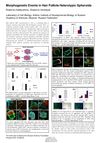
This study found that hyaluronic acid increased the size of hair follicle germ-like aggregates and the number of proliferative cells but did not maintain specific markers during the process.
 1 citations
,
January 2021 in “Journal of biological chemistry/The Journal of biological chemistry”
1 citations
,
January 2021 in “Journal of biological chemistry/The Journal of biological chemistry” This study found that loss of the folliculin protein delays transferrin receptor recycling, leading to iron deficiency and suggesting a role in the mechanisms of Birt-Hogg-Dubé syndrome.