 December 2024 in “ACS Applied Materials & Interfaces”
 In this study, dynamic hyaluronic acid hydrogels with properties like injectability and controlled degradation were developed to enhance healing and remodeling of diabetic wounds, achieving effects such as inflammation reduction, increased angiogenesis, and neovascularization, leading to complete wound healing.
 September 2024 in “Stem Cell Research & Therapy”
 This study found that extracellular vesicles derived from hyaluronic acid-stimulated induced pluripotent stem cells significantly improved hair growth in a model of androgenetic alopecia in mice by enhancing Wnt/β-catenin signaling and regulating androgen receptor activity, showing comparable results to the commonly used treatment finasteride.
 April 2024 in “Skin health and disease”
 In this case study, a patient developed parieto-temporal pain, tissue necrosis, and alopecia after receiving a hyaluronic acid injection for temporal augmentation, which was effectively treated with hyaluronidase and aspirin.

This study found that a blend of low- and high-molecular weight hyaluronic acid significantly improved penetration into the hair cortex compared to individual HA types, reducing frizz and increasing hair elasticity and water content, as measured by Confocal Raman Spectroscopy.
 January 2024 in “CRC Press eBooks”
 This study discusses the potential of microbial exopolysaccharides as safer cosmetic ingredients compared to synthetic chemicals like parabens and BHA, which may cause skin damage and cancer; exopolysaccharides offer benefits like antimicrobial and antioxidative effects without harmful impacts.
 January 2024 in “Regenerative Biomaterials”
 In this study, researchers developed a biodegradable microneedle made of hyaluronic acid, intended to enhance drug delivery through the skin's stratum corneum and potentially promote hair growth by overcoming the skin's barrier function in alopecia treatment.
 December 2023 in “Journal of Cosmetic Dermatology”
 In this study, 32 healthy adults with hair fall complaints applied a hair serum daily for 60 days, resulting in statistically significant improvements in hair growth rate, thickness, and density, without any reported adverse events.
 November 2023 in “Global journal of medical research”
 This study highlights the importance of understanding the rheological properties of hyaluronic acid fillers, including viscosity, cross-linking, and concentration, to optimize their use in addressing facial aging by maximizing clinical effects.
 October 2023 in “Applied materials today”
 In this study, researchers developed a novel TA-encapsulated microneedle applicator that successfully promoted hair growth and reduced inflammation in a C3H/HeJ mouse model of alopecia areata, potentially offering an improved alternative to existing treatments.
September 2023 in “Pharmaceutics” In this study, the authors developed a medicated face mask using electrospun fibers to deliver the active compound Eflornithine hydrochloride for managing hirsutism. The mask showed promising drug release characteristics, a high safety profile, and reduced hair growth in mice.
 July 2023 in “Medicina Estética Revista Científica de la Sociedad Española de Medicina Estética (SEME)”
 This study observed that infrared light therapy, alone or combined with hyaluronic acid and calcium hydroxylapatite, effectively improved skin laxity with high patient satisfaction and minimal adverse effects among women aged 37 to 68.
 July 2023 in “International Journal of Cosmetic Science”
 This article reviews how biopolymers are utilized in cosmetics, highlighting their biodegradable and non-toxic properties, recent structural developments, novel applications, and safety considerations in the formulation of skin, hair, and oral care products.
 June 2023 in “Research Square (Research Square)”
 This study found that polycaprolactone (PCL) in facial fillers led to more cell proliferation and vascular activity than hyaluronic acid (HA) in Wistar rats, suggesting enhanced tissue regeneration effects with PCL.
 June 2023 in “Journal of Cosmetic Dermatology”
 This study found that a combination therapy of autologous platelet-rich plasma and non-cross-linked hyaluronic acid increased hair density significantly in women with female androgenetic alopecia, without serious adverse effects.
 May 2023 in “Materials research foundations”
 The researchers highlighted that using nanomaterials for wound care could significantly improve healing by delivering antibacterial, antifungal, and anti-inflammatory effects, and may potentially reduce the economic burden associated with wound treatment.
 April 2023 in “Journal of Investigative Dermatology”
 This review discusses PRP combination therapies for androgenetic alopecia, acne scarring, and cutaneous rejuvenation, and reports increased effectiveness with combination treatments but highlights the need for more research with standardized protocols.
April 2023 in “Journal of Investigative Dermatology” HA-iMSC-EVs can improve skin aging by boosting cell growth and restoring collagen and elastin.
 January 2023 in “Social Science Research Network”
 This case study describes the treatment of a 27-year-old Filipino male with acute patchy hair loss due to alopecia areata, emphasizing the disease's unpredictable progression.
 July 2022 in “Research Square (Research Square)”
 This study found that tyramine-linked hyaluronan gel effectively supports the 3-D culture of ovarian follicles, facilitating the maturation of functional metaphase II oocytes that can develop into blastocysts.
 February 2021 in “Aesthetic Cosmetology and Medicine”
 This study suggests that glycosaminoglycans, like hyaluronic acid obtained biotechnologically, are safe for topical cosmetic use, enhancing skin and hair conditions by supporting cell renewal, stimulating hair growth, and aiding in the treatment of scalp issues such as seborrhea and androgenetic alopecia.
 June 2020 in “The journal of investigative dermatology/Journal of investigative dermatology”
 This pilot study suggests that a new preparation of platelet-rich plasma gel may improve symptoms and tissue regeneration in patients with en coup de sabre scleroderma, though further trials are needed to clarify its role.
January 2020 in “한국공업화학회 연구논문 초록집” This study found that microencapsulated dermal papilla cells in hyaluronic acid/collagen hydrogel retained their ability to initiate hair follicle regeneration, suggesting potential for alopecia treatment.
 June 2019 in “The Egyptian Journal of Histology”
 In this study, hyaluronic acid filler injections in albino rats increased subcutaneous tissue thickness, collagen and elastic fibers, and vascularization, suggesting potential benefits for combating skin aging and defects.
October 2018 in “Clinical approaches and procedures in cosmetic dermatology” This source reviews the use of hyaluronic acid fillers for lip augmentation and correction, highlighting their safety and effectiveness, while noting potential adverse effects and the importance of managing complications.
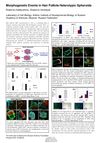
This study found that hyaluronic acid increased the size of hair follicle germ-like aggregates and the number of proliferative cells but did not maintain specific markers during the process.
 September 2017 in “Journal of Investigative Dermatology”
 This study found that hyaluronic acid increased the size and cell proliferation of mixed aggregates in a 3D culture model, indicating its role in human hair follicle germ-like structure formation without enhancing dermal papilla cell markers.
September 2017 in “Journal of Investigative Dermatology” This study suggests that activating the hexosamine pathway may enhance skin homeostasis, potentially increasing hair follicle stem cells and modifying extracellular matrix components like hyaluronic acid in vitro.
April 2017 in “Plastic & Reconstructive Surgery Global Open” This study suggests that while hyaluronan production by Has2 is not necessary for reepithelization, it plays a crucial role in collagen matrix reorganization during wound healing.
 August 2016 in “The journal of investigative dermatology/Journal of investigative dermatology”
 This article discusses how activating the hexosamine pathway may enhance skin homeostasis by increasing hyaluronic acid secretion and supporting hair follicle stem cell self-renewal, but reports no new results.
September 2014 in “Daehan miyong hakoeji” Adding 2% glycerin or hyaluronic acid to permanent wave treatments reduces hair damage, with hyaluronic acid being more effective.