 9 citations
,
May 2012 in “PLOS ONE”
9 citations
,
May 2012 in “PLOS ONE” This study found that integrin-linked kinase is crucial for various epidermal functions, including differentiation and barrier formation, and also plays a previously unreported role in melanocyte development and function.
 5 citations
,
February 2019 in “The New England Journal of Medicine”
5 citations
,
February 2019 in “The New England Journal of Medicine” This article discusses the composition and function of the dermal papilla in hair follicles, focusing on its role in hair shaft generation and suggesting that cell loss in this area may contribute to hair loss.
 April 2026 in “Journal of Pharmaceutical Investigation”
 This review discusses recent advancements in nanotechnology for treating hypertrophic scarring and atopic dermatitis, highlighting the potential of nanotherapeutic platforms in enhancing therapeutic effects by modulating the skin's microenvironment.

This research concluded that the novel hydrogel PlacMA, derived from human placenta and curable by visible light, shows promise for cell culture and tissue engineering applications due to its tunable properties.
 April 2021 in “Sohag Medical Journal”
 This review outlines the proposed theories behind the development of alopecia areata, emphasizing the autoimmune process involving lost immune privilege in hair follicles, and stresses the need to pinpoint specific pathogenic mechanisms for potential treatments.
 1 citations
,
October 2023 in “European journal of histochemistry”
1 citations
,
October 2023 in “European journal of histochemistry” This study demonstrated that treating platelet-rich plasma with ozone or procaine in vitro led to distinct changes in platelet activity, significantly enhancing the release of platelet-derived factors without damaging the platelets, indicating potential for improved regenerative therapies.
 December 2025 in “Nature Communications”
 This study demonstrated that skin organoids derived from human stem cells can model cutaneous tuberculosis, revealing that fibrosis development in Mycobacterium tuberculosis-infected organoids is linked to the PI3K-AKT and AP1 pathways in fibroblasts, and suggesting the potential for antifibrotic treatment evaluation.
 417 citations
,
September 2005 in “PLoS biology”
417 citations
,
September 2005 in “PLoS biology” This study developed molecular signatures for dermal papilla cells and their niche, uncovering novel signaling regulators and genes linked to hair disorders, which may inform future hair development research.
 75 citations
,
August 2011 in “Journal of Investigative Dermatology”
75 citations
,
August 2011 in “Journal of Investigative Dermatology” This study found that cultured human dermal papilla cells formed into three-dimensional spheres have an increased ability to induce hair follicles from mouse epidermal cells compared to two-dimensional cultures.
 11 citations
,
November 2009 in “Brazilian Journal of Medical and Biological Research”
11 citations
,
November 2009 in “Brazilian Journal of Medical and Biological Research” This study found that young C57BL/6 and BALB/c mice exhibit distinct regenerative patterns during ear wound healing, with greater wound closure but less regeneration in middle-aged C57BL/6 mice.
 6 citations
,
April 2022 in “Cellular and Molecular Life Sciences”
6 citations
,
April 2022 in “Cellular and Molecular Life Sciences” This study reports that a new protocol using Angio PRP improved wound healing in mice by enhancing key healing processes and regulating inflammation, suggesting potential for clinical advancements.
5 citations
,
October 2023 in “Aging” This study found that activating SHH signaling in EPCs enhances angiogenesis to aid in healing pressure ulcers through the PI3K/AKT/eNOS pathway, indicating SHH signaling as a potential target for treatment.
 November 2023 in “npj regenerative medicine”
 This study found that engineered reconstituted skin can form morphogenetic units that promote tissue patterning and hair regeneration, with certain signaling pathways restoring this ability in adult and fetal cells.
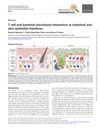 January 2023 in “Discovery immunology”
 T cells and bacteria in the gut and skin help maintain health and protect against disease.
 471 citations
,
October 2012 in “Cellular and Molecular Life Sciences”
471 citations
,
October 2012 in “Cellular and Molecular Life Sciences” This review discusses the roles of key developmental signaling pathways in mammalian skin repair compared to skin development, and suggests these insights could lead to better wound healing therapies, but it reports no new findings.
 218 citations
,
April 2008 in “Genes & Development”
218 citations
,
April 2008 in “Genes & Development” This research discusses how epithelial stem cells in the skin maintain normal homeostasis, contribute to wound repair, and highlights the importance of these processes, as defects can lead to skin diseases including cancers, but provides no new experimental results.
 170 citations
,
September 2019 in “Evidence-based Complementary and Alternative Medicine”
170 citations
,
September 2019 in “Evidence-based Complementary and Alternative Medicine” This review discusses the use of 36 medicinal plant species for cutaneous wound healing and reports no new clinical results; the authors highlight the potential for these traditional practices to inform modern therapies.
 103 citations
,
November 2014 in “Journal of Cell Biology”
103 citations
,
November 2014 in “Journal of Cell Biology” This study found that overexpression of miR-214 in keratinocytes inhibits hair follicle development and cycling by targeting β-catenin in the Wnt signaling pathway.
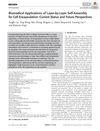 88 citations
,
December 2018 in “Advanced Healthcare Materials”
88 citations
,
December 2018 in “Advanced Healthcare Materials” This review outlines the current state and future prospects of using layer-by-layer self-assembly for cell encapsulation in biomedical applications, such as cell-based biosensors, transplantation, and tissue engineering, while also discussing its limitations and potential advancements.
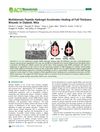 86 citations
,
March 2018 in “ACS Biomaterials Science & Engineering”
86 citations
,
March 2018 in “ACS Biomaterials Science & Engineering” This study found that MDP hydrogel significantly accelerated wound healing and improved tissue formation in diabetic mice compared to a standard clinical hydrogel and control buffer.
 84 citations
,
April 2005 in “Dermatologic Clinics”
84 citations
,
April 2005 in “Dermatologic Clinics” Treatments for melanin disorders exist, but more effective options needed.
 83 citations
,
June 2018 in “Frontiers in immunology”
83 citations
,
June 2018 in “Frontiers in immunology” This review discusses the roles of αβ and γδ T cells in skin health and disease and reports no new clinical results; the authors highlight potential therapeutic developments.
 79 citations
,
March 2017 in “Dermatologic clinics”
79 citations
,
March 2017 in “Dermatologic clinics” This review discusses the complex systemic nature of vitiligo and its associations with autoimmune conditions, emphasizing the need for increased understanding and awareness of related comorbidities and psychological effects.
 77 citations
,
July 2020 in “Journal of the European Academy of Dermatology and Venereology”
77 citations
,
July 2020 in “Journal of the European Academy of Dermatology and Venereology” This review examines the skin exposome, including solar exposure, air pollution, hormones, nutrition, and psychological factors, but reports no new clinical results.
 68 citations
,
December 1991 in “Annals of the New York Academy of Sciences”
68 citations
,
December 1991 in “Annals of the New York Academy of Sciences” Hair growth can be induced by certain cells found at the base of hair follicles, and these cells may also influence hair development and regeneration.
 61 citations
,
November 2020 in “Molecules”
61 citations
,
November 2020 in “Molecules” This review examines the design strategies for creating conductive hydrogels with adjustable properties for various biomedical applications, highlighting their potential for supporting cell growth, wound healing, drug delivery, tissue regeneration, and biosensing.
 59 citations
,
June 2023 in “Nature Aging”
59 citations
,
June 2023 in “Nature Aging” This study observed that in aged mouse skin, there was an increase in IL-17-expressing T helper cells, γδ T cells, and innate lymphoid cells, and blocking IL-17 signaling reduced skin inflammation and delayed age-related changes, suggesting it as a potential target to mitigate skin aging.
 54 citations
,
January 2016 in “Cell reports”
54 citations
,
January 2016 in “Cell reports” This study found that different epidermal stem cell populations contribute to the formation of various skin tumors and new hair follicles following β-catenin activation in the adult epidermis.
 52 citations
,
September 2020 in “Cell Death and Disease”
52 citations
,
September 2020 in “Cell Death and Disease” This study found that impaired autophagy plays a role in sonic hedgehog pathway-induced endometrial fibrosis, suggesting it as a potential target for treating intrauterine adhesion.
 48 citations
,
December 2004 in “Differentiation”
48 citations
,
December 2004 in “Differentiation” This study found that cultured dental papilla cells from various mammals can induce hair follicle regeneration and influence tissue formation, with outcomes dependent on donor age, tooth type, and host environment.