 14 citations
,
June 2022 in “BMC genomics”
14 citations
,
June 2022 in “BMC genomics” This study identified key genes involved in hair follicle development in Merino sheep, offering insights for improving wool production and providing a basis for future breeding programs.
 14 citations
,
May 2020 in “Archiv für Tierzucht”
14 citations
,
May 2020 in “Archiv für Tierzucht” This study found that genes such as FGF5, FGFR1, and RRAS may impact the growth cycle of secondary hair follicles in Inner Mongolian Cashmere goats.
13 citations
,
October 2020 in “BMC Genomics” This study revealed specific patterns and potential functions of long non-coding RNAs during the hair follicle cycle of yaks, offering insights into their sequence conservation between yaks and cashmere goats.
9 citations
,
September 2019 in “PLoS ONE” This study demonstrated that keratin K124 is specific to equine hoof lamellar tissue and established monoclonal antibodies that can specifically recognize K124 without cross-reacting with other tissues.
6 citations
,
June 2012 in “PloS one” This study identified a novel SCF mRNA splice variant in white merino sheep skin, which may play a role in hair follicle melanogenesis.
January 2026 in “Veterinary Sciences” In this study, researchers found that significant transcriptomic changes occur in the skin of Dezhou donkey foals as they age from newborns to one year old, involving gene expression shifts that may enhance skin barrier function and hair follicle development, while reducing collagen synthesis.
March 2024 in “International journal of molecular sciences” In this study on Angora rabbits, researchers identified genetic factors influencing wool fiber diameter by analyzing hair follicle proteins, highlighting keratin family members and other proteins as key contributors to fiber differences between coarse and fine wool.
September 2023 in “Animals” In this study, researchers used proteomic and metabolomic analyses to explore hair follicle development in embryonic cashmere goats, identifying significant roles for the oxytocin signalling pathway and associated networks in this process.
This study found significant differences in mRNA and miRNA expression between yak dermal papilla cells and epidermal hair matrix cells, suggesting important roles for these molecules in hair follicle development.
 March 2020 in “Journal of lasers in medical sciences”
 This study found that HERC6 and its neighboring genes play a significant role in the cellular response of human skin to CO2 laser therapy, highlighting key biological processes related to gene expression changes post-treatment.
 June 2023 in “Frontiers in Medicine”
 This study identified core genes and pathways involved in androgenetic alopecia, finding that genes related to hair follicle development are down-regulated, while those linked to immune responses are up-regulated, highlighting potential therapeutic targets.
 15 citations
,
April 2017 in “Hormones”
15 citations
,
April 2017 in “Hormones” This review discusses the roles of glucocorticoids and glucocorticoid receptors, and it explores potential genetic and non-genetic causes of glucocorticoid resistance or hypersensitivity syndromes, reporting no new clinical results.
138 citations
,
June 2004 in “Journal of Investigative Dermatology” This review discusses the regulation of involucrin gene expression, focusing on transcription factors and signaling pathways, and reports no new experimental findings.
 43 citations
,
November 2019 in “PLoS ONE”
43 citations
,
November 2019 in “PLoS ONE” This study revealed that differential gene and protein expression in the "Yufen I" H line chicken breed is crucial for Columbian plumage coloration, particularly in the melanogenesis pathway.
 17 citations
,
June 2020 in “Animals”
17 citations
,
June 2020 in “Animals” This study identified differentially expressed mRNAs and lncRNAs in Hu sheep hair follicles, suggesting certain genes and pathways are involved in the development of wool curvature patterns.
 11 citations
,
April 2013 in “Journal of Proteomics”
11 citations
,
April 2013 in “Journal of Proteomics” This study identified proteins that are differentially expressed in balding versus non-balding dermal papilla cells, potentially aiding the understanding and treatment of androgenetic alopecia.
 1 citations
,
April 2025 in “Scientific Reports”
1 citations
,
April 2025 in “Scientific Reports” This study developed a culture method to expand and differentiate primary mammary basal cells, identifying key transcription factors like EGR1 and ELF3 that influence Claudin expression and actin organization, offering insights into epithelial cell biology and potential applications in related research fields.
 20 citations
,
August 2005 in “Journal of Cutaneous Pathology”
20 citations
,
August 2005 in “Journal of Cutaneous Pathology” This study found that in male androgenic alopecia, the androgen receptor coactivator ARA70/ELE1 exhibits differential expression patterns, suggesting its involvement in the condition.
 23 citations
,
August 2018 in “Biochimica and biophysica acta. Molecular and cell biology of lipids”
23 citations
,
August 2018 in “Biochimica and biophysica acta. Molecular and cell biology of lipids” This article reviews the roles of lesser-known secreted phospholipase A2 isoforms in various biological processes, such as immune suppression, metabolic regulation, epidermal hyperplasia, and male reproduction, without reporting new clinical findings.
 57 citations
,
October 2013 in “international journal of endocrinology and metabolism”
57 citations
,
October 2013 in “international journal of endocrinology and metabolism” This review discusses clinical features, differential diagnosis, and treatments for female pattern hair loss, emphasizing the use of 2% topical Minoxidil and exploring alternative off-label therapies.
 54 citations
,
October 2023 in “Oncogene”
54 citations
,
October 2023 in “Oncogene” In this review, the researchers detailed how the p63 transcription factor influences epithelial stem cell activities such as self-renewal, differentiation, and proliferation, highlighting the role of TAp63 and ΔNp63 isoforms in both normal tissue development and cancer pathogenesis.
 17 citations
,
August 2012 in “Journal of Medical Genetics”
17 citations
,
August 2012 in “Journal of Medical Genetics” This article reviews the genetic mutations associated with hypohidrotic ectodermal dysplasia and reports no new clinical results; the authors highlight the roles of EDA gene isoforms and related receptors.
 24 citations
,
July 2017 in “Structure”
24 citations
,
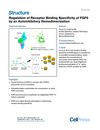
July 2017 in “Structure” In this study, researchers found that ligand homodimerization controls the receptor binding specificity of the FGF9 subfamily, preventing off-target activation of FGFR "b" isoforms.
 20 citations
,
August 2014 in “PloS one”
20 citations
,
August 2014 in “PloS one” This study found that MED1 deficiency in keratinocytes accelerates skin wound healing in young mice but delays healing in older mice, suggesting differential roles in epidermal regeneration with age.
 5 citations
,
January 2015 in “Genetics and Molecular Research”
5 citations
,
January 2015 in “Genetics and Molecular Research” This study found that gene-regulatory interactions among parental alleles contribute significantly to heterosis in early stages of maize development, with many differentially expressed genes showing non-additive expression in hybrids.
72 citations
,
August 2014 in “Genome Biology and Evolution” This study found that the differential expression of α- and β-keratin genes in feathers may explain their morphological and structural diversity, highlighting the chicken as a model for studying keratin-related diseases.
7 citations
,
January 2024 in “Cancer Research Communications” This study found that TAp63 and ΔNp63 isoforms in the p63 family interact with different transcription factors to regulate distinct transcriptional programs, affecting various biological functions like metabolic pathways, oxidative stress response, and epithelial morphogenesis in mouse epidermal cells.
 29 citations
,
October 2016 in “Cell death and differentiation”
29 citations
,
October 2016 in “Cell death and differentiation” This study found that in squamous cell carcinomas, the inhibition of the tumor-suppressor function of TAp73β by ΔNp63α occurs through promoter squelching, not direct protein interaction.
 June 2020 in “Nihon Ika Daigaku Igakkai Zasshi”
 This study found that aPKCλ, but not aPKCζ, plays a critical role in maintaining hair follicle stem cell populations and promoting wound healing in the epidermis.
 16 citations
,
February 2007 in “Plastic and Reconstructive Surgery”
16 citations
,
February 2007 in “Plastic and Reconstructive Surgery” This study found that keratinocytes show increased expression of the TGF-β system and collagen type I with age, suggesting a heightened profibrotic response during skin differentiation associated with scarring.