31 citations
,
January 2011 in “Journal of Biomaterials and Nanobiotechnology” This paper describes the development of unique hydrogel skin scaffolds from plant-derived polysaccharide mixtures that may offer improved biocompatibility and mechanical properties for use in artificial skin.
30 citations
,
November 2015 in “Advanced Pharmaceutical Bulletin” This study found that nanoethosomes containing Lidocaine showed effective skin penetration, suggesting they may be a suitable carrier for topical anesthetic delivery.
25 citations
,
June 2023 in “Biomedicines” This review examined how COVID-19 infection and vaccination might affect sexual activity, sex hormones, and menstrual cycles in men and women, and found no evidence of COVID-19 transmission via semen.
23 citations
,
January 2017 in “Journal of Functional Biomaterials” This review examines the major biomaterials used in skin wound healing and evaluates experimental therapies but reports no new research findings.
22 citations
,
February 2024 in “Heliyon” This review discusses the potential of fibrinolytic enzymes from various sources, especially fermented foods, for their therapeutic use in cardiovascular diseases and emphasizes the need for further research on those from non-Asian regions to optimize discovery and application.
22 citations
,
June 2021 in “Plants” This study found that a methanolic extract of Sterculia foetida seeds demonstrated significant thrombolytic, anti-arthritic, analgesic, and antipyretic activities, with moderate cytotoxic effects in vitro and in vivo.
 16 citations
,
November 2021 in “Antioxidants”
16 citations
,
November 2021 in “Antioxidants” This review examines the role of oxidative stress in male hypogonadism associated with noncommunicable chronic diseases and discusses various management strategies, but it presents no new clinical findings.
13 citations
,
November 2022 in “Future Journal of Pharmaceutical Sciences” This review examines liposome-based cosmeceuticals for various skin conditions and reports no new clinical results, highlighting the potential promise these formulations offer for future applications.
12 citations
,
September 2022 in “Frontiers in Immunology” This study found that soluble CD83 (sCD83) accelerated chronic and hard-to-heal wound healing and improved inflammatory and pro-resolving cytokine profiles, suggesting potential for therapeutic use.
12 citations
,
January 2022 in “The Egyptian Journal of Internal Medicine” This review summarizes current knowledge of SARS-CoV-2, including its biology, epidemiology, risk factors, and the need for updated vaccines and drugs, but presents no new clinical findings.
11 citations
,
November 2023 in “Journal of Functional Biomaterials” This study investigated nanocomposite scaffolds made from alginate, chitosan, and graphene oxide to promote the proliferation of spermatogonial stem cells, finding the ALGCS/GO30 scaffold to be particularly effective due to increased proliferation markers and PLZF protein expression compared to controls.
9 citations
,
August 2020 in “International Journal of Molecular Sciences” This review examines compounds that activate IK1 channels, highlighting their potential for developing Kir channel agonists and addressing safety concerns, but does not report new experimental findings.
8 citations
,
January 2025 in “Gels” This study developed cilostazol-loaded formulations for nose-to-brain delivery, finding that these formulations improved cilostazol's bioavailability by enhancing solubility, absorption, and permeability, achieving nearly 100% drug release in vitro within 2 hours.
 8 citations
,
February 2022 in “Journal of Clinical Medicine”
8 citations
,
February 2022 in “Journal of Clinical Medicine” This study found that a notable percentage of COVID-19 patients experienced post-infection telogen effluvium, although no significant associations with infection-related factors were identified.
 7 citations
,
September 2021 in “Anais Brasileiros De Dermatologia”
7 citations
,
September 2021 in “Anais Brasileiros De Dermatologia” This study found that in patients with telogen effluvium after recovering from COVID-19, earlier alopecia onset was associated with younger age, female gender, hypothyroidism, and more severe coronavirus infections.
7 citations
,
January 2013 in “Egyptian Journal of Dermatology and Venereology” This study found that male patients with androgenetic alopecia had significantly higher aldosterone levels and blood pressure compared to controls, suggesting a possible link between AGA and hypertension.
6 citations
,
October 2024 in “BMC Infectious Diseases” This study observed that COVID-19 patients in Thailand infected with the Delta variant were more likely to develop pneumonia and certain post-infection conditions, while Omicron infections were associated with milder symptoms like sore throat and congestion.
6 citations
,
July 2021 in “Bulletin of the National Research Centre/Bulletin of the National Research Center” This review discusses the transmission and immune response of SARS-CoV-2 and highlights ongoing research for developing vaccines and antiviral treatments, but it presents no new clinical findings.
 5 citations
,
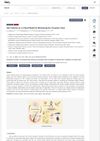
January 2023 in “International Journal of Molecular Sciences”
5 citations
,
January 2023 in “International Journal of Molecular Sciences” This review discusses the expression of circadian genes in hair follicles and their potential for monitoring circadian-rhythm-related conditions, reporting no clinical results; the authors suggest combining hair sampling with other assessments for better insight.
5 citations
,
December 2022 in “Viruses” This review highlights recent insights into using antiandrogens as preventive and therapeutic measures against COVID-19, emphasizing their role in blocking viral infection by modulating androgen-mediated host protease TMPRSS2 and cell entry protein ACE2, with varying success in clinical trials.
4 citations
,
November 2024 in “International Journal of Molecular Sciences” This review explores whether SARS-CoV-2 could trigger or worsen α-synucleinopathies, like Parkinson's disease, by affecting α-synuclein misfolding and aggregation, potentially linking COVID-19 with the development of parkinsonism-like symptoms.
 4 citations
,
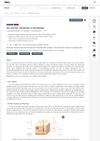
December 2022 in “International Journal of Molecular Sciences”
4 citations
,
December 2022 in “International Journal of Molecular Sciences” This review discusses the role of zinc and its transporters in skin health and disorders, providing an overview without presenting new clinical results.
4 citations
,
May 2022 in “Medicina” In this study, Kampo medicine was frequently prescribed for general fatigue in long COVID, particularly the formula hochuekkito, suggesting its potential as a treatment option.
 4 citations
,
May 2022 in “Future Journal of Pharmaceutical Sciences”
4 citations
,
May 2022 in “Future Journal of Pharmaceutical Sciences” This study found that a melatonin-loaded microemulsion exhibited controlled release and significant stratum corneum deposition in ex vivo permeation tests, suggesting its potential for further evaluation in treating androgenic alopecia.
3 citations
,
October 2025 in “Dentistry Journal” This study investigated different centrifugation systems and found that low-speed protocols and certified centrifuges produced better-quality platelet-rich fibrin and recommended using FDA-approved glass tubes for safe and effective regenerative outcomes.
3 citations
,
January 2024 in “Cell Transplantation” This study reviews various factors affecting mesenchymal stem cell transplantation efficacy, including platelet concentrate composition, donor characteristics, and environmental influences, and examines strategies for optimizing outcomes through preconditioning and combined therapies in regenerative medicine.
3 citations
,
January 2025 in “Burns & Trauma” In this review, the authors describe how glucose metabolism supports various stages of wound healing by providing energy and necessary substances, noting that abnormal glucose metabolism in chronic wounds increases oxidative stress and inflammation, significantly hindering healing.
2 citations
,
July 2024 in “Bioengineering” This study found that platelet-rich fibrin lysates modulate chemokine expression, reducing inflammation in oral squamous carcinoma cells, but increasing expression in primary oral epithelial cells.
2 citations
,
November 2025 in “International Journal of Molecular Sciences” This review reports that chitosan, a versatile polysaccharide, shows potential for various therapeutic applications due to its chemical modifications, notably in treating non-communicable diseases and wound healing, though further clinical study is needed to confirm these benefits.
2 citations
,
September 2025 in “Journal of Clinical Medicine” This review highlights the promise of small extracellular vesicles (sEVs) as biomarkers for sepsis, emphasizing their potential to improve early detection and guide therapeutic decisions by reflecting the immune status and pathogen presence in patients.