 February 2024 in “Advanced Materials”
 In this study, researchers discovered that a newly identified oligosaccharide, OG6, promotes hair growth by activating hair follicles, achieved by revealing its hidden activity from a larger molecule structure.
6 citations
,
September 2018 in “International Journal of Molecular Sciences” This study found that intramuscular injections of a PRP-derivative in healthy beagle dogs did not result in statistically significant changes in lumbar muscle tissue or IGF-1 blood concentration, suggesting the treatment may be safe at therapeutic doses.
66 citations
,
July 2010 in “Journal of Proteome Research” This study suggests that an immune response to trichohyalin and keratin 16 may contribute to the pathogenesis of alopecia areata.
73 citations
,
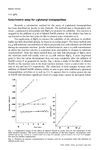
April 2006 in “BioTechniques” This essay reviews the potential of protein microarrays in proteomics and diagnostics, highlighting no new clinical results but emphasizing the need for advanced high-quality proteins and antibodies.
 19 citations
,
November 1971 in “Clinica Chimica Acta”
19 citations
,
November 1971 in “Clinica Chimica Acta” In this study, the researchers found that the absence of the NFI-C transcription factor delayed the hair growth cycle in mice by affecting key gene expressions and signaling pathways.
1 citations
,
April 2023 in “Scientific Reports” This study reported that newly developed RADA16-I peptide hybrids, with active motifs like GHK and KGHK, demonstrated improved wound healing in a mouse skin injury model without cytotoxicity, suggesting they might be effective scaffolds for tissue engineering and regeneration.

This study found that protein hydrolysates from mealworms, especially those derived using flavourzyme, significantly enhance adipogenic differentiation in 3T3-L1 preadipocytes, suggesting their potential as sustainable ingredients for glycemic control, skin health, and tissue regeneration products.
74 citations
,
September 2003 in “The Journal of Immunology” This study found that PKCα activation in transgenic mice induces keratinocyte apoptosis and mediates neutrophilic skin inflammation via different pathways, suggesting potential mechanisms for cutaneous inflammatory diseases.
August 2021 in “The journal of investigative dermatology/Journal of investigative dermatology” This article reviews current treatments for alopecia areata, discussing the potential role of JAK inhibitors and noting the need for further clinical trials, but it reports no new results.
18 citations
,
June 2001 in “Journal of Investigative Dermatology” This study found that transfecting keratinocytes with the 1α-OHase gene enhances local production of 1α,25-dihydroxyvitamin D3, suggesting a potential new therapy for skin conditions like psoriasis without causing hypercalcemia or resistance.
 3 citations
,
January 2005 in “Biological & Pharmaceutical Bulletin”
3 citations
,
January 2005 in “Biological & Pharmaceutical Bulletin” This study reports that the peptide GPIGS, found in Bacillus sp. M18 conditioned medium, may promote hair growth through the PI-3K/Akt pathway and accelerate hair regrowth in mice.
 98 citations
,
December 2003 in “The FASEB Journal”
98 citations
,
December 2003 in “The FASEB Journal” In this study, thymosin beta4 was found to stimulate hair growth in normal rats and mice by affecting key processes in the hair follicle cycle, such as stem cell migration and extracellular matrix remodeling.
70 citations
,
August 2006 in “Cancer Research” This study found that inhibiting AP-1 activity in mice modified tumor development, leading to transdifferentiation between squamous and sebaceous tumors, with molecular analysis suggesting AP-1's role in maintaining tumor cell identity.
 98 citations
,
November 2014 in “PLoS ONE”
98 citations
,
November 2014 in “PLoS ONE” In this study, bovine testes hyaluronidase accelerated wound healing in vitro and in vivo by enhancing cellular proliferation, reepithelialization, and modulating inflammation in rat models.
 October 2025 in “Advanced Healthcare Materials”
 In a study on wound healing, researchers described injectable POEGMA‐DA hydrogels as a promising non-toxic alternative to traditional wound closure methods, showing effective tissue adhesion and enhanced regeneration of skin structures in a mouse model without significant inflammation.
 August 2026 in “Plastic & Reconstructive Surgery Global Open”
 In this study, researchers observed that hybrid secretomes most effectively stimulated proliferation and stem cell markers for hair regeneration in hamster skin, while human secretomes strongly activated the Wnt/β catenin pathway, suggesting different underlying mechanisms among the tested formulations.
 January 2017 in “Jikken doubutsu ihou/Jikken doubutsu/Experimental animals/Jikken Dobutsu”
 This study found that in transgenic mice overexpressing a mutant hairless gene, changes in its expression affected hair loss and regrowth, implicating the gene's role in hair follicle biology.
August 2025 in “Acta Biomaterialia” This study presents a novel hydrogel scaffold made from tilapia collagen, which when activated by ultrasound, reprograms macrophages to promote wound healing, enhance angiogenesis, and stimulate hair follicle regeneration, offering a potential new method for treating inflammatory wounds.
 3 citations
,
November 2022 in “Frontiers in molecular biosciences”
3 citations
,
November 2022 in “Frontiers in molecular biosciences” This study suggests that in mice, plasmalogens may enhance hair growth by activating TRPC4 channels, which increases calcium influx and subsequently stimulates AMPK in hair follicles.
3 citations
,
September 2008 in “Current signal transduction therapy” This article reviews the role of glycogen synthase kinase-3 in various diseases and recent developments in GSK-3 inhibitors, without reporting any new clinical findings.
 January 2024 in “Research Square (Research Square)”
 This study reports that adjusting the valence states of Mo in Pluronic F127-coated MoO3-x nanozymes enhances their selective H2O2-related catalytic activity, showing promise in acute kidney injury treatment and enabling real-time monitoring of therapy effectiveness through ROS-responsive photoacoustic imaging.
January 2008 in “한국미용학회지” This study found that in a shaving animal model of mice, increased enzyme activities and gene expression correlated with enhanced hair growth, suggesting they are good biomarkers in the anagen phase.
3 citations
,
August 2025 in “Advanced Therapeutics” This review explores advancements in cytokine engineering for regenerative medicine, highlighting the development of modified cytokines with enhanced stability and tissue-targeting, potentially improving treatments for chronic wounds and fibrotic diseases by promoting tissue healing and minimizing inflammation, while adapting concepts from cancer immunotherapy.
 February 2024 in “Research Square (Research Square)”
 This study optimized the extraction process for abomasum protein from Tianshan red deer, identifying two proteins with anti-inflammatory and anti-tumor activities, suggesting they could be beneficial in foods and nutraceuticals.
October 2021 in “Plastic and reconstructive surgery. Global open” This study found that levels of certain signaling proteins were significantly higher in the alopecia zone compared to other areas, suggesting a role in androgenetic alopecia etiology.
 January 2019 in “Springer Reference Medizin”
 This article reviews the role of factor Xa inhibitors like Rivaroxaban and suggests they may eventually replace vitamin K antagonists, but their side effects require further clarification.
22 citations
,
November 2008 in “The journal of investigative dermatology/Journal of investigative dermatology” This study observed that cathepsin L and transglutaminase 3 colocalize in the human hair bulb and nail matrix, suggesting their involvement in terminal differentiation within these epidermal appendages.
8 citations
,
March 2024 in “Regenerative Therapy” This study found that using uniform poly(lactic-co-glycolic) acid microspheres to deliver insulin-like growth factor 1 stabilizes the protein and enhances its sustained delivery, supporting stem cell functions comparably to traditional methods, and showing potential for tissue and organ regeneration.
June 2026 in “Journal of Cosmetic Dermatology” CGF-PF may improve hair loss treatment by targeting hair follicle stem cells more effectively.
118 citations
,
December 2003 in “Mechanisms of Ageing and Development” Thymosin β4 helps heal wounds, grow hair, and improve blood vessel formation.