 June 2026 in “Annals of Medicine and Surgery”
 This study highlights the approval of orforglipron under the FDA's National Priority Voucher program, emphasizing its significance as a convenient oral treatment option with beneficial effects on glycemic and lipid profiles for diabetes and obesity management.
 September 2023 in “bioRxiv (Cold Spring Harbor Laboratory)”
 In this study, FOL-026, a peptide based on osteopontin, was shown to promote angiogenesis and stimulate vascular cell proliferation and migration through neuropilin-1, similar to VEGF, suggesting potential therapeutic applications in vascular repair and angiogenesis-related conditions.
 2 citations
,
October 2001 in “Analytical Sciences”
2 citations
,
October 2001 in “Analytical Sciences” A new compound that could treat various androgen-related conditions was created and analyzed.
February 2023 in “Pharmaceutics” This study found that oral administration of 7, 8–dihydroxyflavone in guinea pigs improved recovery from gentamicin-induced vestibular damage, suggesting potential therapeutic use for vestibular dysfunction in humans.
 88 citations
,
February 2008 in “Journal of Medicinal Chemistry”
88 citations
,
February 2008 in “Journal of Medicinal Chemistry” Scientists made the first metal-based compounds from a nonsteroidal antiandrogen drug, which showed potential in fighting both hormone-dependent and independent prostate cancer cells.
23 citations
,
December 2013 in “Molecules” This study found that the evodiamine derivative 2-16 exhibited the highest antitumor activity and a broad spectrum of activity against various human cancer cell lines, with improved solubility.
2 citations
,
September 1992 in “Steroids” The researchers reported that compounds 11 to 13 derived from Westphalen-type steroids showed strong antiandrogenic activity in vivo, though their effects could not be attributed to 5α-reductase inhibition or androgen receptor binding.
1 citations
,
December 2011 in “Arzneimittelforschung” This study found that the compound 9,11-dehydrocortexolone 17alpha-butyrate (CB-03-04) showed strong local antiandrogenic activity in animal models, suggesting potential for treating prostate conditions.
 20 citations
,
September 2005 in “Endocrinology”
20 citations
,
September 2005 in “Endocrinology” This study identified novel selective androgen receptor modulators with enhanced in vivo pharmacological activity through structure-activity relationship analysis in castrated rats.

This study found that four synthesized thiazolidinone derivatives showed potential anticancer activity against MCF7 and HeLa cell lines, suggesting their further investigation for anticancer drug development.
 42 citations
,
February 1998 in “The Journal of Steroid Biochemistry and Molecular Biology”
42 citations
,
February 1998 in “The Journal of Steroid Biochemistry and Molecular Biology” This study found that PNU 157706 is a highly potent inhibitor of human 5α-reductase enzymes, showing a stronger and longer-lasting antiprostatic effect in rats compared to finasteride.
 44 citations
,
March 2016 in “Frontiers in cellular neuroscience”
44 citations
,
March 2016 in “Frontiers in cellular neuroscience” In this study using zebrafish, four bisbenzylisoquinoline derivatives were found to protect hair cells from aminoglycoside-induced damage without reducing antibiotic efficacy, potentially leading to therapies for patients undergoing such treatments.
 2 citations
,
June 2016 in “Journal of Medical Science And clinical Research”
2 citations
,
June 2016 in “Journal of Medical Science And clinical Research” This study examines the potential effectiveness of Barever natural hair inhibitor, which includes papaya and other herbal ingredients, in reducing hair growth permanently when applied after hair removal.
27 citations
,
July 2008 in “The Journal of Steroid Biochemistry and Molecular Biology” The new compounds may be more effective and cheaper than current treatments for conditions like baldness.
30 citations
,
January 2024 in “Frontiers in Pharmacology” This study identified common and previously unlisted adverse events associated with four anti-CGRP monoclonal antibodies for migraine prevention, highlighting a varied safety profile post-marketing.
35 citations
,
July 2022 in “Frontiers in Integrative Neuroscience” This review discusses the neuroprotective potential of formononetin, especially for neurological diseases, and reports no clinical results; the authors suggest its promise for developing central nervous system drugs.
 1 citations
,
May 2021 in “Scientific Reports”
1 citations
,
May 2021 in “Scientific Reports” This study identified several anticancer drugs, including vinblastine and bortezomib, that significantly increase the risk of developing chemotherapy-induced peripheral neuropathy, with variations in time-to-onset among different drug categories.
 15 citations
,
October 2021 in “Frontiers in Pharmacology”
15 citations
,
October 2021 in “Frontiers in Pharmacology” This commentary discusses the potential of natural volatiles in medical aromatherapy, highlighting their ability to synergize with other drugs and modulate biological processes, but reports no new results.
13 citations
,
May 2019 in “Evidence-based Complementary and Alternative Medicine” This study found that Callicarpa nudiflora water extract significantly accelerated wound healing and improved skin repair in deep second-degree scalds in rats, supporting its traditional medicinal use.
![The Synthesis of (−)-4-Methyl-8-Chloro-Trans-1,2,3,4,4a,5,6,10b-Octahydrobenzo-[f]-Quinolin-3-One-[3-14C] (LY300502-14C) via a Circuitous Route](/images/assets/73bab8dc-bdf0-45e3-8ef7-73d0d4b93cb1/small/21074.jpg) 3 citations
,
October 1994 in “Journal of Labelled Compounds and Radiopharmaceuticals”
3 citations
,
October 1994 in “Journal of Labelled Compounds and Radiopharmaceuticals” This synthesis report details the successful development of a C-14 labeled isotopomer of LY300502, a 5α-reductase inhibitor, through a multi-step radiochemical process.
 May 2023 in “bioRxiv (Cold Spring Harbor Laboratory)”
 This study found that Cannabidivarin (CBDV) promotes neuronal survival, proliferation, and differentiation via TRPV1 activation but inhibits oligodendrocyte differentiation in postnatal neurogenesis.
 10 citations
,
October 2018 in “Plant Biotechnology”
10 citations
,
October 2018 in “Plant Biotechnology” This study identified two cytochrome P450 enzymes in Avicennia marina leaves that may contribute to the biosynthesis of triterpenoids, potentially responsible for the plant's medicinal properties.

This review explores the synthesis and potential of azasteroids as novel drugs, discussing challenges in their production and reporting no new clinical results.
28 citations
,
September 2016 in “Future oncology” In this study, a UK expert panel discussed strategies for managing common side effects of vismodegib, a hedgehog pathway inhibitor used for advanced basal cell carcinoma, concluding that adverse events like taste disturbances and muscle cramps can be effectively managed to optimize treatment duration.
 6 citations
,
April 2004 in “Journal of Enzyme Inhibition and Medicinal Chemistry”
6 citations
,
April 2004 in “Journal of Enzyme Inhibition and Medicinal Chemistry” This study found that four new progesterone derivatives reduced prostate weight in gonadectomized hamsters, suggesting potent in vivo antiandrogenic effects similar to finasteride.
 13 citations
,
August 2007 in “Bioorganic & medicinal chemistry letters”
13 citations
,
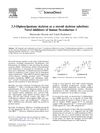
August 2007 in “Bioorganic & medicinal chemistry letters” This study developed a new competitive 5alpha-reductase inhibitor with an IC(50) of 0.84 microM using a novel chemical structure.
 September 2020 in “Current Enzyme Inhibition”
 In this study, researchers found that steroidal 17β-carboxamides 1-4 significantly inhibited 5α-reductase enzyme activity and reduced prostate weight more effectively than finasteride in a hamster model, without toxic side effects, suggesting potential for treating benign prostatic hyperplasia.
1 citations
,
October 2005 in “Experimental and Clinical Endocrinology & Diabetes” This study found that in pregnant rats, the suppression of ACTH responses to IL-1β is linked to the action of endogenous opioids and AP, with AP potentially inducing opioid inhibition through increased pENK-A expression.
22 citations
,
June 2002 in “Journal of Medicinal Chemistry” This study found that several synthesized compounds were potent inhibitors of human steroid 5alpha-reductase type 2 and reduced prostate weights in treated rats, with compound 15 showing promise for potency in humans.
January 2016 in “Refubium (Universitätsbibliothek der Freien Universität Berlin)” In this study, the safety profile of the prodrug CAP7.1 was found to be similar to other topoisomerase inhibitors, with myelosuppression as the main dose-limiting toxicity.