January 2021 in “TURKISH JOURNAL OF VETERINARY AND ANIMAL SCIENCES” In this study, PRP administration in rabbit tibia bones with segmental defects improved bone healing scores and advanced bone development stages compared to the control group.
August 2026 in “Journal of Cosmetic Dermatology” This study found that Plinest injections improved skin hydration and elasticity in the face, neck, and décolleté and were well-tolerated, with high patient satisfaction over a 4-month follow-up.
July 2024 in “Journal of Investigative Dermatology” PRP preparation partially activates platelets, causing varied growth factor release.
63 citations
,
May 2015 in “PloS one” This study found that GALT5 and GALT2 are redundant enzymes essential for O-glycosylation of AGPs, with mutations leading to significant growth and development defects in plants.
24 citations
,
November 1997 in “Journal of Biological Chemistry” This study found that genes encoding mouse high-glycine/tyrosine proteins show distinct spatial and temporal expression patterns in hair follicles, suggesting diverse protein distribution during hair growth cycles.
 February 2024 in “Research Square (Research Square)”
 This study identified SFRP2 and PTGDS as potential biomarkers for female pattern hair loss, finding these genes consistently upregulated in bald hair follicles from all 18 patients, which may contribute to understanding the condition's pathogenesis and developing targeted treatments.
January 2026 in “Journal of Clinical Case Studies” This article discusses the potential of copper tripeptide (GHK-Cu) to support collagen synthesis and antioxidant activity in the context of androgenetic alopecia but reports no clinical results.
 1 citations
,
November 2022 in “Experimental cell research”
1 citations
,
November 2022 in “Experimental cell research” This study found that a PGE2 matrix, when injected subcutaneously, increased the proportion of developing hair follicles and improved hair follicle stem cell markers in a mouse model of hair loss.
1 citations
,
April 2008 in “Progrès en Urologie” Systematic end-of-trial biopsies are the most reliable way to assess outcomes.
 April 2019 in “Radiotherapy and oncology”
 HPV infection is linked to better survival in advanced anal cancer, higher radiation doses improve survival, especially in HPV-negative patients, and prostaglandin E₂ pretreatment can protect mouse hair follicles from radiation damage.
 September 2023 in “Biomedical Optics Express”
 This study used non-invasive imaging techniques to assess hair follicle characteristics in AGA mice, revealing delayed hair shaft alternation and growth stages, as well as testosterone-induced follicle miniaturization, offering potential methods for evaluating AGA on human scalps in vivo.
14 citations
,
July 1994 in “Journal of Investigative Dermatology”  43 citations
,
March 2009 in “Journal of Cellular and Molecular Medicine”
43 citations
,
March 2009 in “Journal of Cellular and Molecular Medicine” This study suggests that TGF-β 2 plays a critical role in hair follicle morphogenesis and may enhance the effectiveness of future cell therapies for hair regrowth using expanded dermal papilla cells.
The researchers found that melatonin implantation in Cashmere goats influenced PDGFA gene expression and hair growth cycles, indicating it may control hair phase transformation from growth to catagen and telogen.
 60 citations
,
August 2008 in “Human molecular genetics online/Human molecular genetics”
60 citations
,
August 2008 in “Human molecular genetics online/Human molecular genetics” This study suggests that a position effect disrupting TRPS1 expression may be linked to hypertrichosis in both Ambras syndrome in humans and a similar phenotype in Koa mice.
 6 citations
,
November 1980 in “Clinical Endocrinology”
6 citations
,
November 1980 in “Clinical Endocrinology” This study measured plasma testosterone glucosiduronate levels and found no overlap in those with hyperandrogenism compared to normal females, despite normal testosterone and dihydrotestosterone levels in half of the affected patients.
October 2022 in “The Korean Journal of Physiology and Pharmacology” This review discusses the roles of prostaglandins in hair loss and highlights their potential as targets for new alopecia treatments, but reports no new clinical findings.
44 citations
,
April 2012 in “BMB Reports” This study identified several DPC-specific proteins, including ITGB1, IGFBP3, and THBS1, as potential biomarkers for hair growth modulation through proteomic and network analysis.
In this study, Norwegian researchers followed over 350 patients with porphyria cutanea tarda for an average of 7 years and found that 25% experienced biochemical relapse, suggesting the importance of routine follow-up for early detection and management.
 6 citations
,
July 2016 in “Gynecological Endocrinology”
6 citations
,
July 2016 in “Gynecological Endocrinology” This study found that women with PCOS have higher total PSA levels than controls, and the total PSA level correlates positively with testosterone and free androgen index.
215 citations
,
November 2000 in “Journal of Investigative Dermatology” This study found that the tetracycline-regulated transcription system effectively controls conditional gene expression in the mouse epidermis, allowing suppression and activation of specific genes with doxycycline.
83 citations
,
July 2004 in “Pharmacology Biochemistry and Behavior” Higher 3α,5α-THP levels in the brain may reduce depression in pregnant rats.
 35 citations
,
May 2015 in “Thrombosis Research”
35 citations
,
May 2015 in “Thrombosis Research” This review synthesizes knowledge on Prostaglandin E2's role in platelet biology and suggests that targeting PGE2 pathways could lead to personalized antiplatelet therapy without affecting hemostasis, but it presents no new results.
 3 citations
,
December 2016 in “Springer eBooks”
3 citations
,
December 2016 in “Springer eBooks” This study found that activating Toll-like receptor 3 in periodontal ligament stem cells enhanced their stem cell and immunosuppressive properties, potentially supporting effective periodontal tissue regeneration.
 3 citations
,
May 2011 in “Journal of the American Academy of Dermatology”
3 citations
,
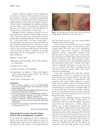
May 2011 in “Journal of the American Academy of Dermatology” This case report describes a 54-year-old woman who developed hypertrichosis around a leg ulcer while using PGE1 ointment, suggesting a potential side effect of the treatment.
December 2007 in “대한피부과학회지” This study found that while the new cytopurine/pentadecanoic glyceride topical solution significantly improved total hair and daily shed hair counts in AGA patients, it did not show significant differences compared to placebo in other measures.
August 2026 in “Ebers Papyrus” This study concluded that allele-specific PCR (AS-PCR) is more reliable than tetra-primer ARMS-PCR for genotyping the SNP rs1998076 due to better stability and interpretability.
30 citations
,
August 2008 in “The journal of investigative dermatology/Journal of investigative dermatology” This study suggests that TGase 3 may contribute to hair fiber scaffolding by forming specific isopeptide bonds between keratin intermediate filaments and keratin-associated proteins.
July 2022 in “Journal of Investigative Dermatology” The combination of a plant extract and a peptide can increase hair pigmentation and may reverse greying.
118 citations
,
June 1993 in “Journal of Biological Chemistry” This study found that mouse and human protransglutaminase 3 enzymes require calcium-regulated activation for their role in later stages of cell envelope formation in the epidermis and hair follicle.