40 citations
,
August 2021 in “International Journal of Molecular Sciences” This review discusses the role of fascial mobilization in wound healing and its potential implications for treating chronic skin wounds and scarring, but reports no new clinical results.
19 citations
,
April 2023 in “Antibiotics” This study found that azelaic acid entrapped in transethosomes exhibited enhanced antidermatophyte activity and improved treatment outcomes in guinea pig models of dermatophytosis compared to free azelaic acid.
11 citations
,
March 2024 in “Current Issues in Molecular Biology” This review discusses the pharmacological actions and potential therapeutic benefits of ginsenoside compound K for metabolic disorders, reports no new clinical results, and suggests further research on its bioavailability and toxicity.
11 citations
,
April 2022 in “International Journal of Molecular Sciences” This review discusses the role of the Wnt/β-catenin pathway in skin wound repair and explores how photobiomodulation may affect chronic wound healing, but it reports no new clinical results.
3 citations
,
May 2024 in “Biomimetics” This narrative review examines the structure-function relationship in bioactive biopolymers used to promote healing in chronic wounds, emphasizing diabetic ulcers, and underscores the importance of characterizing these biopolymers to enhance their bioactivity for better tissue regeneration outcomes.
2 citations
,
November 2023 in “Biomolecules” This review article analyzes the role of the WNT signaling pathway in skin development, wound healing, and mechanical stretching, emphasizing its importance in understanding and potentially advancing treatments for skin-related diseases.
 1 citations
,
August 2024 in “Polymers”
1 citations
,
August 2024 in “Polymers” This review discusses recent advances in protein immobilization on bacterial cellulose for various biomedical uses and reports no new clinical results.
1 citations
,
February 2024 in “Preprints.org” This review discusses the pharmacology and potential therapeutic effects of rare ginsenoside compound K on metabolic disorders but presents no new clinical results, highlighting the need for further studies on its bioavailability and toxicity.
 January 2026 in “Ciencia Latina Revista Científica Multidisciplinar”
 This study reports on a 14-year-old male with refractory diffuse alopecia areata who achieved full hair density restoration after three monthly sessions of microneedling combined with triamcinolone, dutasteride, and synthetic exosome treatment, highlighting exosomes' potential for enhancing traditional therapies in autoimmune hair loss cases.
August 2025 in “Biomolecules” This review explores the role of FGF signaling in hair follicle development and highlights its potential as a new therapeutic target for hair loss, which could surpass existing treatments in terms of efficacy and safety.
July 2025 in “Nutrición clínica y dietética hospitalaria/Nutrición clínica, dietética hospitalaria” This study reviewed various supplements for treating androgenetic alopecia and found that Serenoa repens shows the strongest evidence for use as a single treatment, while ketoconazole may help as an adjunct. Other supplements like zinc, vitamin D, and biotina are not recommended unless deficiencies exist.
 August 2024 in “Drug Design Development and Therapy”
 This review explores the biological applications and pharmacokinetics of decursin, a compound isolated from Angelica gigas, highlighting its potential neuroprotective, anti-inflammatory, and anticancer properties based on in vitro and in vivo studies.
 June 2023 in “Current Issues in Molecular Biology”
 In this study, the alcoholic extract DN106212 from Centipeda minima was shown to be more effective in promoting hair growth in C57BL/6 mice compared to dimethyl sulfoxide and tofacitinib, suggesting its potential as a natural hair growth agent.
This source outlines common health issues in weanling gerbils, including skin infections often tied to beta-hemolytic Staphylococcus aureus, and obesity-related conditions like diabetes, as well as respiratory infections and musculoskeletal problems, without detailing specific new study results.
 92 citations
,
January 1999 in “Physics in Medicine and Biology”
92 citations
,
January 1999 in “Physics in Medicine and Biology” This study developed and validated a computational model to optimize skin precooling methods for minimizing thermal damage during laser procedures.
83 citations
,
August 2020 in “Resources” This review highlights the potential of marine macroalgae as a largely untapped resource for developing new active ingredients in the cosmetic industry, emphasizing their role in supporting circular economy models by utilizing waste from other industrial sectors.
41 citations
,
June 2023 in “Antioxidants” This review highlights that pomegranate exhibits promising beneficial effects in preclinical and clinical studies for cardiovascular and non-cardiovascular diseases, though further research is needed on its bioavailability and metabolites for effective therapeutic use.
 34 citations
,
May 2012 in “International Journal of Molecular Sciences”
34 citations
,
May 2012 in “International Journal of Molecular Sciences” This study found that Ecklonia cava enzymatic extract, particularly its component dieckol, promoted hair growth by increasing dermal papilla cell proliferation and inhibiting 5α-reductase activity in cultured vibrissa follicles and C57BL/6 mice.
24 citations
,
July 2015 in “International Journal of Molecular Sciences” In this study, fluoxetine was found to decrease proliferation and adipogenic differentiation of human adipose-derived stem cells, suggesting it may reduce fat accumulation by increasing autophagy-related gene expression.
 20 citations
,
June 2022 in “Molecules”
20 citations
,
June 2022 in “Molecules” This review discusses three classes of thiazole-bearing compounds in drug development and presents preclinical findings but reports no new experimental results, highlighting the need for further drug discovery.
 19 citations
,
September 2011 in “Journal of Dermatological Science”
19 citations
,
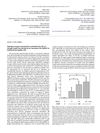
September 2011 in “Journal of Dermatological Science” TGF-β1 increases androgen receptor activity in hair loss, but Hic-5/ARA55 can counter this effect.
17 citations
,
September 2024 in “Journal of Ginseng Research” This review discusses recent in vitro and in vivo research suggesting that components of ginseng, such as ginsenosides and gintonin, may have potential skincare benefits, including anti-aging effects and treatment of skin conditions like atopic dermatitis and hypertrophic scars.
 17 citations
,
July 2019 in “Majalah Obat Tradisional”
17 citations
,
July 2019 in “Majalah Obat Tradisional” This study found that tannin effectively inhibits and degrades mono-species and polymicrobial biofilms, making it a potential candidate for antibiofilm treatments.
9 citations
,
September 2022 in “Pharmaceutics” This study found that porcine-placenta-extract-loaded nanoformulated serum improved skin hydration and promoted hair growth, as well as reduced intracellular ROS and inflammation without cytotoxicity in human subjects.
8 citations
,
January 2025 in “JADA Foundational Science” This review discusses the state-of-the-art in photobiomodulation therapy for oral and dental applications and emphasizes the need for education, training, and addressing logistical issues for its routine use.
 6 citations
,
November 2020 in “Molecular and Cellular Endocrinology”
6 citations
,
November 2020 in “Molecular and Cellular Endocrinology” This study found that androgens downregulate BMP2 in dermal papilla cells, inhibiting hair follicle stem cell differentiation, while BMP2 addition may restore hair lineage differentiation through the Wnt/β-catenin pathway.
4 citations
,
September 2025 in “International Journal of Molecular Sciences” This review discusses the dermatological applications and potential health benefits of Epigallocatechin-gallate (EGCG) from green tea, but provides no new clinical findings.
 4 citations
,
January 2015 in “Journal of microbial & biochemical technology”
4 citations
,
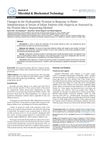
January 2015 in “Journal of microbial & biochemical technology” In this study, the researchers observed that biotin administration in biotin-deficient children with alopecia eliminated certain membrane proteins from their blood, suggesting that biotin might regulate these proteins' expression.
3 citations
,
December 2023 in “Biomedicines” This review discusses the mechanisms and potential benefits of platelet-rich plasma therapy for various skin conditions and reports no new clinical findings.
 2 citations
,
October 2010 in “Springer eBooks”
2 citations
,
October 2010 in “Springer eBooks” Using cheek skin and cartilage grafts for nose reconstruction after skin cancer surgery can maintain shape and function but may require multiple surgeries and hair removal in men.