18 citations
,
May 2024 in “Pharmaceutics” This review discusses advances in drug delivery systems to enhance oleanolic acid's bioavailability and therapeutic potential but reports no new clinical results.
 January 2026 in “Beilstein Journal of Organic Chemistry”
 This study developed a metal-free method for synthesizing sulfinimidate esters, showcasing their potential as versatile intermediates for enantioselective bond formation under mild conditions.
63 citations
,
November 2015 in “Pharmaceutical Sciences” This study reports that a Rutin-loaded nanophytosomal formulation with improved physical stability can enhance the bioavailability and antioxidant property of rutin for use in food and pharmaceutical products.
 24 citations
,
November 2018 in “International Journal of Molecular Sciences”
24 citations
,
November 2018 in “International Journal of Molecular Sciences” This review discusses ethosomes as lipid carriers that enhance drug penetration into deep skin layers and underscores the need for advanced research on their pharmaceutical applications, but it reports no clinical outcomes.
 1 citations
,
February 2025 in “Notulae Scientia Biologicae”
1 citations
,
February 2025 in “Notulae Scientia Biologicae” In this study, researchers developed an in-situ gel formulation of antibacterial Levofloxacin for the eye, which showed prolonged drug release, increased residence time, and effective antibacterial action, suggesting it may be a safe and effective ocular delivery system for antibiotics.
May 2023 in “CRC Press eBooks” This research reports that multilamellar phospholipid liposomes showed the highest follicular penetration of a water-soluble dye in vitro compared to other cosmetic vehicles, suggesting potential benefits for enhancing hair conditioning and treating hair loss.
559 citations
,
October 2020 in “Frontiers in Molecular Biosciences” This review reports on the current state and potential of solid lipid nanoparticles for drug delivery, emphasizing their safety, biocompatibility, and ease of production, and highlights challenges in translating them to clinical practice, including active clinical trials.
 October 2025 in “Asian Journal of Pharmaceutical Research and Development”
 This study reported that phytosome formulations of citrus flavonoids naringenin and naringin showed significantly increased oral bioavailability and plasma drug concentration in rabbits, suggesting that phytosome technology effectively addresses the pharmacokinetic limitations of these compounds.
 140 citations
,
January 2009 in “JEADV. Journal of the European Academy of Dermatology and Venereology/Journal of the European Academy of Dermatology and Venereology”
140 citations
,
January 2009 in “JEADV. Journal of the European Academy of Dermatology and Venereology/Journal of the European Academy of Dermatology and Venereology” This review discusses the application of liposomes in dermatology, highlighting their therapeutic value for drug stabilization, skin penetration enhancement, and treatment of hair follicle-associated disorders, but reports no new clinical results.
 29 citations
,
June 2014 in “Drug delivery”
29 citations
,
June 2014 in “Drug delivery” This study reported that nanoemulsions significantly improved the skin permeability of thiocolchicoside compared to its aqueous solution, suggesting they are effective carriers for its transdermal delivery.
 6 citations
,
July 2007 in “Organic Process Research & Development”
6 citations
,
July 2007 in “Organic Process Research & Development” This study optimized the reaction conditions for the stereoselective hydrogenation of a compound used in manufacturing finasteride and dutasteride, improving the selectivity for the desired isomer.
 October 2025 in “Pharmaceutical Development and Technology”
 In this study, cetirizine hydrochloride was formulated into niosomal and cubosomal gels, showing potential for off-label use in treating androgenic alopecia due to effective skin permeation and acceptable safety profiles; cubosomal gels exhibited superior permeation compared to niosomal gels.
 12 citations
,
October 1954 in “Textile Research Journal”
12 citations
,
October 1954 in “Textile Research Journal” This study found that alkali bromide solutions are absorbed into hair depending on salt activity, and the presence of the salt increases water absorption compared to normal conditions.
12 citations
,
March 2023 in “Processes” In this study, extracts from Chenopodium quinoa, Glycine max, and Malpighia emarginata demonstrated stability, low toxicity, and effective cleaning potential as surfactants in shampoo formulations, showing performance similar to or better than commercial shampoos in terms of surface and interfacial tension and sebum removal.
24 citations
,
September 2020 in “Pharmaceutics” In this study, solid lipid microparticles loaded with lidocaine hydrochloride were developed to effectively deliver pain relief and antimicrobial benefits for wound management, demonstrated by testing with bioengineered skin substitutes and showing effectiveness against common wound-infecting bacteria.
13 citations
,
November 1996 in “International Journal of Dermatology” This article reviews the role of liposomes in dermatology and does not report new clinical results.
December 2025 in “OPAL (Open@LaTrobe) (La Trobe University)” In this study, researchers created a coamorphous system combining tadalafil and finasteride that demonstrated improved solubility, dissolution, and stability compared to their physical mixture, offering potential therapeutic advantages for benign prostatic hyperplasia.
 39 citations
,
April 2010 in “International Journal of Pharmaceutics”
39 citations
,
April 2010 in “International Journal of Pharmaceutics” This study found that using monoolein cubic phase nanoparticles with an entrapped hydroxypropyl β-cyclodextrin/minoxidil complex increased minoxidil skin permeation, but minoxidil retention in the skin was higher with a traditional solution.
 February 2016 in “DOAJ (DOAJ: Directory of Open Access Journals)”
 This study found that freeze-dried finasteride nanoparticles significantly improved the dissolution rate and pharmacokinetic parameters compared to pure drug formulations, suggesting enhanced stability and solubility for poorly water-soluble drugs.
 6 citations
,
February 2016 in “Journal of Microencapsulation”
6 citations
,
February 2016 in “Journal of Microencapsulation” This study found that injectable finasteride microspheres provided a sustained drug release with a minimal initial burst in albino rabbits compared to oral suspension.
 44 citations
,
April 2003 in “European journal of pharmaceutical sciences”
44 citations
,
April 2003 in “European journal of pharmaceutical sciences” This study found that targeting the hair follicle can be increased by using lipophilic drugs combined with surfactant solutions and propylene glycol.
20 citations
,
November 2012 in “Methods in molecular biology” This study proposes using superhydrophobic surfaces to reduce protein fouling and enable self-cleaning in microfluidic devices, detailing preparation and quantification methods for these coatings.
6 citations
,
February 2025 in “International Journal of Molecular Sciences” This study found that the solid self-nanoemulsifying drug delivery system improved the oral bioavailability of carvedilol significantly compared to the drug alone, enhancing its solubility, dissolution, AUC, and Cmax.
 November 2023 in “ACS Omega”
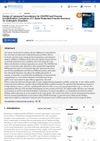
 This study reported that a novel cationic liposome formulation for delivering encapsulated Cas9 protein and sgRNA successfully decreased SRD5α2 mRNA expression by 29.7% in vitro, suggesting a potential alternative treatment option for conditions like prostate cancer and benign prostatic hyperplasia without current drug side effects.
 December 2024 in “Media Farmasi Jurnal Ilmu Farmasi”
 In this study, the researchers developed an optimum liquid shampoo formula using chia plant components and found it to meet specific physical characteristics and stability requirements, with viscosity and foam height tested within acceptable ranges.
February 2026 in “ACS Omega” This study developed a multifunctional hydrogel, QTMP-Gel, which significantly accelerated wound healing in an oral mucositis hamster model by providing antioxidant and antibacterial effects, reducing inflammation, and controlling infection.
 September 2025 in “Institutional Repositories DataBase (IRDB)”
 The nanoemulsion system effectively delivers drugs through the skin and shows promise for treating skin conditions.
December 2025 in “Molecular Pharmaceutics” In this study, researchers developed a coamorphous form of tadalafil and finasteride, showing improved solubility and dissolution in vitro, with results successfully translated in vivo in rats. They reported reasonable stability, suggesting this form could serve as a therapeutic alternative to the current marketed combination.
September 2025 in “International Journal of Pharmaceutics and Drug Analysis” This study discusses ethosomes, which are lipid-based vesicular carriers that improve drug penetration into the skin due to their high ethanol content, highlighting their benefits in drug delivery despite stability issues like phospholipid oxidation and vesicle fusion during storage.
 December 2024 in “Tropical Journal of Natural Product Research”
 This study aimed to enhance the skin penetration of brown algae fucoidan using a Nanostructured Lipid Carrier, achieving a formulation with good physical quality and stability.