 May 2023 in “International Journal of Molecular Sciences”
 This review highlights the complications of radiation therapy, specifically radiation cystitis, and explores the potential of mesenchymal stem cell-based therapies for tissue repair while discussing their therapeutic potential and limitations.
September 2017 in “Scientific Repository (Petra Christian University)” This project developed an SMS-based e-voting application using Gammu and PHP, aiming to facilitate an accurate, quick, and transparent voting process for student elections.

The research examined Crown-X, a novel formulation containing Menstrual Stem Cells, and found that it promoted significant proliferation of human dermal papilla cells, suggesting its potential as a non-invasive treatment for male pattern baldness. Future clinical trials are necessary to confirm its efficacy.
 July 2023 in “Jurnal Ilmu Kesehatan Hewan”
 In this case report, a 2-month-old dog with scabies showed improvement in skin condition and reduced mite presence 24 days after treatment with simparica, sulfur-based soap, and various topical and oral therapies.
 January 2024 in “Biological Research”
 This study found that mesenchymal stem cell-derived exosomes reduced hearing and hair cell loss caused by neomycin in experimental models by modulating autophagy, which promoted cell survival and lowered oxidative stress and apoptosis, indicating potential for deafness treatment.
 May 2025 in “ACS Pharmacology & Translational Science”
 In this study, researchers found that proteins derived from stressed mesenchymal stem cells, stimulated using the root extract of Atalantia monophylla, successfully promoted hair growth and activated hair follicle stem cells in a mouse model of androgenetic alopecia through the Wnt and TGF-β pathways.
 320 citations
,
December 2018 in “Frontiers in Immunology”
320 citations
,
December 2018 in “Frontiers in Immunology” This review explores how preconditioning mesenchymal stromal cells can impact their secretome's therapeutic potential in regenerative medicine, emphasizing immunomodulatory and regenerative functions, but provides no new clinical results.
 March 2026 in “Medeniyet Medical Journal”
 This study found that hypoxia-conditioned mesenchymal stem cell exosomes increased GM-CSF and decreased IL-1 expression in a dose-dependent manner in a murine model, suggesting potential for treating androgenetic alopecia.
 10 citations
,
September 1997 in “Molecular carcinogenesis”
10 citations
,
September 1997 in “Molecular carcinogenesis” This study found that mirex and TPA promote papilloma formation in CD-1 mouse skin through distinct populations of mutant Ha-ras cells, resulting in additive tumor yields.
 19 citations
,
May 2020 in “Cells”
19 citations
,
May 2020 in “Cells” This study found that 5% primed conditioned medium from human umbilical cord blood-derived mesenchymal stromal cells significantly improved hair density, thickness, and growth rate in patients with androgenetic alopecia.
 4 citations
,
May 2018 in “International Journal of Molecular Sciences”
4 citations
,
May 2018 in “International Journal of Molecular Sciences” This review discusses genetically-engineered mouse models for studying melanocytes and reports no new experimental findings; it emphasizes their potential to address unanswered questions in melanoma biology.
January 2011 in “Junshi yixue” This study established a murine chronic graft-versus-host disease model with scleroderma features, showing typical skin changes and cellular infiltrates associated with the condition.
 January 2023 in “Journal of Cosmetics, Dermatological Sciences and Applications”
 In this study, researchers assessed the efficacy of Trichosera® hair serum, containing mesenchymal stromal cells conditioned media, among 40 healthy Indian volunteers, finding significant improvements in hair growth rate, hair density, scalp condition, and reduction in hair fall without notable adverse effects.
1 citations
,
November 2022 in “Jurnal Ilmu Kesehatan Indonesia” In this study, human bone marrow mesenchymal stem cells were found to affect skin adnexa growth in diabetic burn-injured rats, but the effects were not statistically significant.
4 citations
,
January 2006 in “International Journal of Cosmetic Science” This study found that scanning electron microscopy with argon sputter etching visualizes hair lipids at the cell membrane complex as distinctive convex structures, shedding light on their role and localization in human hair.
January 2020 in “JAAD case reports” Systemic mastocytosis may cause a type of hair loss called cicatricial alopecia.
 25 citations
,
December 2021 in “Stem Cell Research & Therapy”
25 citations
,
December 2021 in “Stem Cell Research & Therapy” This review discusses the potential of mesenchymal stem/stromal cells and their exosomes in promoting wound healing and skin regeneration, but reports no new experimental results.
 118 citations
,
December 2014 in “International Journal of Medical Sciences”
118 citations
,
December 2014 in “International Journal of Medical Sciences” This review discusses the potential of mesenchymal stem cells from the oral cavity for tissue regeneration in oral and maxillofacial surgery but reports no new clinical results.
November 2022 in “Journal of Investigative Dermatology” This study reported that an HS-associated NCSTN mutation in iPSC-derived skin organoids led to altered hair follicle stem cell differentiation and increased expression of proteins linked to HS inflammation.
 6 citations
,
July 2009 in “Biomolecules & therapeutics”
6 citations
,
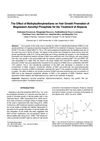
July 2009 in “Biomolecules & therapeutics” This study found that combining MSM with MAP significantly enhanced hair growth in mice, comparable to or better than minoxidil, due to increased intradermal retention of MAP.

In this study, the deletion of Smad4 and PTEN genes in mice was associated with rapid and invasive squamous cell carcinoma formation in the forestomach, modeling human esophageal cancer progression.
October 2020 in “Plastic Surgery” This study found that topical transplantation of green fluorescent protein-labeled bone marrow mesenchymal stem cells significantly improved regeneration of deeper wounds, with increased blood vessel formation, compared to control in a rat model.
97 citations
,
December 2017 in “Frontiers in Cell and Developmental Biology” This review discusses the potential of mesenchymal stem cells from human periapical cysts for regenerative medicine, highlighting their easy accessibility and valuable regenerative properties, but reports no new clinical findings.
5 citations
,
April 2024 in “Science China Materials” 
In preclinical studies, topical CUR61414 reduced Hh signaling and shrank BCCs in mice, but this study found no clinical efficacy in human superficial or nodular BCCs.
 8 citations
,
June 2021 in “International Journal of Molecular Sciences”
8 citations
,
June 2021 in “International Journal of Molecular Sciences” In this study, UCMSC exosomes showed protective effects against cisplatin-induced hearing loss in mice by improving hearing and promoting cochlear tissue repair.
September 2016 in “Journal of dermatological science” This study suggests that human induced pluripotent stem cells can be used to generate dermal papilla equivalent cells, potentially aiding hair follicle regeneration and drug discovery for hair diseases.
March 2026 in “Acta Histochemica”  16 citations
,
March 2015 in “Clinical Cancer Research”
16 citations
,
March 2015 in “Clinical Cancer Research” This review discusses the mechanism and side effects of smoothened inhibitors for advanced basal cell carcinoma, reporting no new clinical results and highlighting current management strategies for these adverse events.
 July 2025 in “Current Issues in Molecular Biology”
 This study evaluated the safety and efficacy of Bio-Pulsed avian mesenchymal stem cell-derived small extracellular vesicles when applied topically, finding significant improvements in hair growth, skin rejuvenation, and regenerative microRNA presence among 60 human participants without adverse events.