56 citations
,
June 2002 in “Biomaterials” This study found that controlled release of VEGF via a collagen hydrogel promoted hair follicle growth and cell proliferation in mice more effectively than free VEGF injections.
31 citations
,
September 2011 in “European journal of pharmaceutics and biopharmaceutics” This study found that biodegradable PLA particles released fluorochromes in a time-dependent manner on human skin, with BP-PLA particles releasing rapidly and DiAsp-PLA particles providing sustained release and accumulation in hair follicles.
28 citations
,
November 2009 in “European Journal of Neuroscience” This study found that progesterone can increase glycine release in rat brainstem neurons through its conversion to allopregnanolone, which modulates presynaptic GABA receptor activity.
21 citations
,
September 2019 in “International Journal of Nanomedicine” RADA16-I can effectively deliver and release mangiferin, improving its solubility and bioavailability.
 14 citations
,
January 2020 in “International Journal of Biological Sciences”
14 citations
,
January 2020 in “International Journal of Biological Sciences” This study found that ranitidine and finasteride may have cardiovascular and renal protective effects in mice by inhibiting TMAO synthesis and improving gut microbiota composition.
 13 citations
,
October 2010 in “Seizure”
13 citations
,
October 2010 in “Seizure” This study reported that extended-release valproate significantly reduced seizure frequency and improved quality of life in epilepsy patients over six months, despite some adverse effects like weight gain and tremor.
 11 citations
,
January 2008 in “International journal of environment and health”
11 citations
,
January 2008 in “International journal of environment and health” This review discusses the environmental contamination and health risks of Platinum Group Elements, highlighting their potential bioaccumulation and associated health issues, especially in vulnerable populations like children, and reports no new experimental findings.
10 citations
,
September 2023 in “Metabolites” This study reviews iron metabolism in the skin, highlighting how differentially expressed genes regulate iron recycling in the epidermis, and discusses changes in iron metabolism related to skin diseases.
7 citations
,
September 2007 This study found that valproate sustained-release monotherapy provided effective short-term seizure control and was well tolerated in newly-diagnosed epileptic patients with partial seizures in the Gulf Cooperation Council countries.
5 citations
,
September 2023 in “International Journal of Molecular Sciences” This study found that FucoPol hydrogel membranes can effectively deliver model drugs such as caffeine and diclofenac sodium via different loading methods, with notable mechanical and release properties, suggesting their potential as platforms for topical drug delivery.
5 citations
,
April 2023 in “Pharmaceuticals” This study found that cubosomes combined with dissolving microneedles enhanced transdermal penetration and hair growth efficacy of beta-sitosterol for treating alopecia.
3 citations
,
April 2025 in “Advanced Healthcare Materials” In this study, researchers developed hyaluronic acid derivatives functionalized with nitric oxide photodonors for light-activated skin treatments, finding that the compounds released NO under blue light and enhanced keratinocyte proliferation and migration, suggesting potential for therapeutic use.
3 citations
,
February 2023 in “Frontiers in Immunology” In this study, researchers reported that a newly developed interferon-γ release assay for cell-mediated immunity to SARS-CoV-2 nucleocapsid peptides demonstrated high sensitivity and specificity, making it a robust tool for routine diagnostic tests and potentially useful in predicting clinical outcomes after pathogen re-exposure.
2 citations
,
February 2024 in “Toxins” This study found that bee venom accelerated the transition from the telogen to anagen phase in mice, increasing hair growth by day 14, and suggested that bee venom may enhance adipose-derived stem cell activity by upregulating growth factor secretion.
 1 citations
,
June 2023 in “Chemical engineering journal”
1 citations
,
June 2023 in “Chemical engineering journal” In this laboratory study, a novel minoxidil-loaded microneedle patch demonstrated potential for treating alopecia areata by promoting slow drug release and reducing application frequency, while exhibiting antibacterial properties to prevent infection during use.
 1 citations
,
May 2019 in “Cytotherapy”
1 citations
,
May 2019 in “Cytotherapy” This study found that digital droplet PCR (ddPCR) outperformed qPCR in detecting replication competent lentivirus in CAR-T products by offering better sensitivity, specificity, and reproducibility, making it a reliable and rapid method for ensuring patient safety.
 April 2026 in “Biomolecules”
 In this study, researchers synthesized biomedical polyurethanes incorporating curcumin and varying PEG content to enhance water solubility and control curcumin release, finding that higher PEG content improved hydrophilicity, swelling, and degradation, while maintaining excellent antioxidant and antibacterial activities, suggesting promise for biomedical applications.
 August 2025 in “Biomacromolecules”
 This study presents a novel composite hydrogel dressing with berberine-loaded silk fibroin microspheres and Calotropis gigantea fibers, demonstrating enhanced antibacterial activity, mechanical strength, and wound healing capabilities in treating chronic and infected wounds.
 January 2024 in “Frontiers in Bioengineering and Biotechnology”
 In this mouse study, researchers found that nanoparticles loaded with umbilical cord-derived stem cell membranes and minoxidil enhanced hair growth by improving drug solubility and transdermal delivery, increasing VEGF, IGF-1, MKI67, and CTNNB protein levels in skin tissue compared to regular minoxidil.
 March 2023 in “International journal of pharmaceutical sciences review and research”
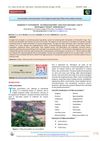
 In this study, an Emulgel containing Tridax procumbens extract was formulated and found to have promising physical properties and antimicrobial activity for wound healing.
 April 2018 in “Journal of Investigative Dermatology”
 This study found that patients taking hydroxychloroquine had a significantly higher likelihood of indeterminate QuantiFERON-TB Gold test results compared to those not on the medication, independent of other immunosuppressive drug use.
January 2011 in “China Animal Husbandry & Veterinary Medicine” This study examined the effects of constant-release melatonin on the SOX21 gene in Inner Mongolia Cashmere goats, finding that it stabilized gene expression and reduced stress responses with notable expression changes except in March, April, and May.
 42 citations
,
February 2018 in “International Journal of Molecular Sciences”
42 citations
,
February 2018 in “International Journal of Molecular Sciences” This study suggests that minoxidil may enhance hair growth by stimulating adipose-derived stem cell motility and growth factor secretion, promoting dermal papilla cell proliferation and accelerating anagen induction.
 40 citations
,
March 2022 in “Small”
40 citations
,
March 2022 in “Small” In an animal model, this study found that PEG hydrogels delivering M2 macrophage-derived exosomes effectively promoted M1 to M2 macrophage transition and enhanced wound healing.
 35 citations
,
July 2018 in “Cell Reports”
35 citations
,
July 2018 in “Cell Reports” This study found that the dermal papilla of the hair follicle regulates stem cell quiescence and regeneration by modulating Shh and Wnt signaling pathways, highlighting the importance of signaling cross talk in regeneration.
23 citations
,
March 2021 in “Gels” This study found that minoxidil solubilized in gelatin-containing microemulsions resulted in over 5% of the drug remaining in porcine skin, significantly more than the reference gel.
17 citations
,
May 2014 in “Cell transplantation” This study demonstrated that genetically engineered stem cells from human hair follicles can reverse hyperglycemia and reduce mortality in mice with type 1 diabetes by overexpressing the human insulin gene.
13 citations
,
July 2017 in “Annals of Oncology” This study suggests that DNA-neutralizing agents like DNAse I and Resveratrol-Cu might reduce chemotherapy-induced toxicity, although this conclusion is based on a small animal study and needs more research.
 9 citations
,
August 2017 in “Photochemistry and Photobiology”
9 citations
,
August 2017 in “Photochemistry and Photobiology” This study found that isolated red light may serve as an alternative for photo-immunotherapy without additional photosensitizers, as it did not reduce keratinocyte differentiation markers or increase photo-oxidative damage, unlike treatment with IL-4 or UVA1/blue light.
5 citations
,
April 2024 in “Science China Materials”