 December 2023 in “Veterinary dermatology”
 This study found that microneedling with longer needles (3 mm) showed better hair regrowth in dogs with hair cycle arrest, although most experienced recurrent hair loss during follow-up. Some dogs also developed minor, temporary itching.
93 citations
,
May 1990 in “The EMBO Journal” Mice with extra sheep genes had hair that fell out and regrew in cycles.
 11 citations
,
January 2007 in “Veterinary dermatology”
11 citations
,
January 2007 in “Veterinary dermatology” This study found that administerating 10 mg/kg intramuscular fulvestrant did not stimulate hair regrowth in Pomeranian dogs with alopecia X, though higher doses may warrant further investigation.
 14 citations
,
January 2016 in “Biochemical and Biophysical Research Communications”
14 citations
,
January 2016 in “Biochemical and Biophysical Research Communications” In this study, researchers found that ginsenoside Re from Panax ginseng increased hair shaft length and duration in mice, comparable to minoxidil, by modulating TGF-β signaling pathways.
April 2026 in “Journal of Ethnopharmacology”  2 citations
,
November 1998 in “Journal of The European Academy of Dermatology and Venereology”
2 citations
,
November 1998 in “Journal of The European Academy of Dermatology and Venereology” This article reports on a partial regrowth of scalp hair in a patient treated with extracorporeal photochemotherapy and interferon α 2a, but provides no new clinical outcomes.
 211 citations
,
April 2013 in “Development”
211 citations
,
April 2013 in “Development” In this study, researchers found that the number of dermal papilla cells in hair follicles determines hair size and shape in mice, suggesting potential avenues for addressing hair loss.
 192 citations
,
April 2019 in “ACS nano”
192 citations
,
April 2019 in “ACS nano” In a mouse model, this study demonstrated that a microneedle patch system using keratin and integrated with MSC-derived exosomes and UK5099 promoted hair regrowth more efficiently than traditional delivery methods.
 61 citations
,
September 2010 in “Genomics”
61 citations
,
September 2010 in “Genomics” This study found distinct gene expression profiles in alopecia areata-affected skin, suggesting T-cell mediated immune responses and unique gene profiles between different stages of the disease.
 20 citations
,
July 2006 in “Veterinary dermatology”
20 citations
,
July 2006 in “Veterinary dermatology” This study found that hair regrowth in Pomeranians with hair cycle arrest treated with melatonin was not associated with a change in oestrogen receptor-α staining.
 14 citations
,
January 2018 in “Scientific reports”
14 citations
,
January 2018 in “Scientific reports” This study demonstrated that bioluminescence imaging of NG2+ cells in transgenic rats allows in vivo monitoring of hair follicle cycles to study hair growth and follicle regeneration.
 7 citations
,
July 2022 in “Pharmaceutics”
7 citations
,
July 2022 in “Pharmaceutics” This study found that a dissolvable microneedle device delivering rapamycin and epigallocatechin gallate nanoparticles significantly enhanced hair regrowth in C57BL/6 mice within 7 days, demonstrating increased hair shaft growth and follicle density with minimal inflammation compared to untreated mice.
 6 citations
,
August 2013 in “Joint Bone Spine”
6 citations
,
August 2013 in “Joint Bone Spine” Tocilizumab treatment was associated with significant hair regrowth in one patient and temporary hair loss followed by regrowth in another.
 February 2025 in “Plastic and Aesthetic Research”
 In this study, after long-term observation of human scalp hair follicles over 16 years, the researchers found that a topical 5% minoxidil solution could stimulate hair regrowth after a period of dormancy, though with reduced growth rates and hair diameter.
 September 2024 in “Egyptian Journal of Dermatology and Venerology”
 In this interventional study on female-pattern hair loss, researchers found that fractional CO2 laser therapy alone improved hair growth, as evidenced by increased hair count, thickness, density, and patient satisfaction compared to saline controls. However, the precise mechanisms behind these effects require further investigation.
 April 2023 in “The journal of investigative dermatology/Journal of investigative dermatology”
 In this study, a single subcutaneous dose of PTH-CBD showed similar hair regrowth to daily oral ruxolitinib in mice with alopecia, possibly through increased beta-catenin and anagen transition stimulation.
This study identified ISX9 as a novel agonist of the Wnt/β‐catenin pathway, which promoted hair regrowth in mice and may offer a therapeutic approach for alopecia.
September 2016 in “Journal of dermatological science” This study suggests that FGF18 may enhance radioresistance in telogen hair follicles by inducing cell cycle arrest, potentially serving as a radioprotector against radiation-induced hair follicle damage.
 January 2008 in “Pratique médicale & chirurgicale de l'animal de compagnie”
 This review discusses the controversial non-inflammatory alopecia known as alopecia X, highlighting its unknown etiology and the variable effectiveness of various proposed treatments, but reports no new results.
 July 2025 in “Current Issues in Molecular Biology”
 This study evaluated the safety and efficacy of Bio-Pulsed avian mesenchymal stem cell-derived small extracellular vesicles when applied topically, finding significant improvements in hair growth, skin rejuvenation, and regenerative microRNA presence among 60 human participants without adverse events.
 53 citations
,
November 2006 in “Journal of Endocrinology”
53 citations
,
November 2006 in “Journal of Endocrinology” This study found that prolactin plays a direct role in regulating the timing of hair growth cycles in mice by affecting the skin, rather than through other endocrine factors.
 25 citations
,
November 2015 in “Journal of Ethnopharmacology”
25 citations
,
November 2015 in “Journal of Ethnopharmacology” This study found that Cacumen platycladi extract significantly promoted hair growth and reduced dihydrotestosterone levels by inhibiting 5α-reductase activity in an androgen-sensitive mouse model.
 6 citations
,
August 2007 in “Journal of Surgical Research”
6 citations
,
August 2007 in “Journal of Surgical Research” In this study, constitutive expression of Del1 in mice did not affect wound healing but was associated with increased hair growth following anagen induction.
February 2025 in “Journal of Receptors and Signal Transduction” In this study, computational analysis identified EGCG as the most effective GSK3β inhibitor among tested compounds, suggesting its potential for promoting hair regrowth by interacting with signaling pathways related to hair follicle cycling, although further experimental testing is needed.
 1 citations
,
September 2016 in “Journal of Dermatological Science”
1 citations
,
September 2016 in “Journal of Dermatological Science” This study found that FGF18 signaling helps protect hair follicles from radiation damage by maintaining the resting phase and supporting stem cell survival, potentially reducing radiation-induced hair loss.
 9 citations
,
July 2014 in “Experimental Dermatology”
9 citations
,
July 2014 in “Experimental Dermatology” This study suggests that while PTH rP initially seemed to shorten the hair cycle by transitioning hair follicles from anagen to catagen, more relevant models indicate it ultimately accelerates and stimulates hair growth.
 4 citations
,
April 2016 in “Experimental Dermatology”
4 citations
,
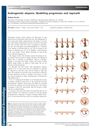
April 2016 in “Experimental Dermatology” This commentary discusses the mechanisms of progression and potential regrowth in androgenetic alopecia, indicating that the initiation of anagen in kenogen follicles is more critical for hair density improvement than reversing follicle miniaturization.
 4 citations
,
January 1997 in “EXPERIMENTAL ANIMALS”
4 citations
,
January 1997 in “EXPERIMENTAL ANIMALS” This study suggests that increased activity of the histamine synthesizing enzyme histidine decarboxylase may play a role in initiating the anagen phase of hair regrowth in mice.

In this study using C3H/HeJ mice, a single subcutaneous injection of the fusion protein PTH-CBD increased anagen hair follicle counts and promoted hair regrowth comparably to daily oral ruxolitinib, potentially by enhancing beta-catenin production and stimulating anagen transition.
 6 citations
,
May 2011 in “Pharmacognosy Journal”
6 citations
,
May 2011 in “Pharmacognosy Journal” This review discusses the causes of alopecia, including androgenetic alopecia, and potential active ingredients for hair regrowth, but it does not report new clinical results.