 60 citations
,
April 2003 in “Human Reproduction”
60 citations
,
April 2003 in “Human Reproduction” This study found that Czech women with polycystic ovary syndrome in their thirties had a significantly worse cardiovascular risk profile compared to a control group, independent of obesity.
 1 citations
,
September 2023 in “International Journal of Biological Macromolecules”
1 citations
,
September 2023 in “International Journal of Biological Macromolecules” This study found that a novel in-situ crosslinked self-healing hydrogel made from oxidized Bletilla striata polysaccharide and cationic gelatin enhanced wound healing and showed strong hemostatic performance in animal models, suggesting its potential as an effective wound dressing for skin trauma.
 June 2017 in “University of the Arts London Research Online (University of the Arts London)”
 This study compared the effects of three compounds on structural and sensory benefits for bleached hair when applied with or after bleaching, observing that their application may mitigate bleaching-induced damage.
 March 2024 in “Animal nutrition”
 This study found that sows consuming beet pulp had higher feed intake and improved litter performance during heat stress, while a high-fiber diet enhanced insulin levels, suggesting dietary fiber's importance for reproductive and metabolic health in sows.
 10 citations
,
October 2014 in “Journal of Ovarian Research”
10 citations
,
October 2014 in “Journal of Ovarian Research” This study found a significant association between the IRS-2 gene variant and an increased risk of PCOS, especially in non-obese women in the Chinese population from Taiwan.
 December 2023 in “Asian Journal of Pharmaceutical Research and Development”
 This research suggests that phytoestrogen-rich herbal extracts may help reduce hyperandrogenism, insulin resistance, and ovarian weight while promoting ovulation in polycystic ovarian syndrome, indicating potential for discovering new bioactive compounds.
1 citations
,
January 2014 in “mediaTUM – the media and publications repository of the Technical University Munich (Technical University Munich)” This study found that women with PCOS had higher glucose and C-peptide levels but similar insulin levels compared to a control group.
 7 citations
,
December 2020 in “Agrobiological records”
7 citations
,
December 2020 in “Agrobiological records” This review discusses the antidiabetic potential of indigenous plants in Pakistan and reports no clinical results, highlighting various bioactive compounds for managing diabetes.
11 citations
,
June 2025 in “Polymers” This review reports on recent surfactant-based niosome formulations, including those with polysaccharides, for versatile drug delivery applications such as ocular, oral, and transdermal settings, while discussing their limitations and potential prospects.
 May 2023 in “International Journal of Home Science”
 This survey reported that 95% of respondents were aware of polycystic ovary syndrome, highlighting a high level of awareness about PCOS among the participants.
 13 citations
,
April 2015 in “Human Reproduction”
13 citations
,
April 2015 in “Human Reproduction” Obese Hispanic women with PCOS are at higher risk for metabolic problems than non-Hispanic white women.
4 citations
,
August 1985 in “Archives of Internal Medicine” This study found no significant hair growth difference between men treated with polysorbate 60 and those given a placebo, suggesting its ineffectiveness for male pattern baldness.
2 citations
,
July 2022 in “Journal of the Endocrine Society” This study identified several rare genetic variants related to insulin resistance in women with PCOS, highlighting the potential for monogenic conditions in patients with extreme or atypical phenotypes.
December 2016 in “Asian Pacific journal of cancer biology” This paper discusses the importance of early diagnosis and treatment of polycystic ovarian syndrome to potentially reduce long-term complications like diabetes, hypertension, and heart disease, but reports no new clinical outcomes.
 4 citations
,
May 2023 in “Composites Part B: Engineering”
4 citations
,
May 2023 in “Composites Part B: Engineering” In this study, a novel nanocomposite hydrogel was developed for diabetic wound care, demonstrating superior tissue adhesion, antibacterial properties, and healing capabilities in vivo and in vitro, while also allowing real-time pH monitoring to aid clinical management.
 July 2026 in “Zenodo (CERN European Organization for Nuclear Research)”
 This article reviews existing strategies for managing polycystic ovarian disease and highlights the role of lifestyle changes, natural remedies, and conventional treatments, reporting no new clinical results.
28 citations
,
September 2023 in “International Journal of Biological Macromolecules” Animal experiments in this study demonstrated that a new sandwich-like fiber/sponge dressing design, which enhances wound healing through improved moisture management and faster exudate evaporation, resulted in more significant wound size reduction compared to commercial and control dressings.
 11 citations
,
November 2017 in “Hong Kong Medical Journal”
11 citations
,
November 2017 in “Hong Kong Medical Journal” This review discusses the increased cardiometabolic risk associated with polycystic ovary syndrome and highlights the need for tailored management, but it reports no new results.
 March 2023 in “International journal of pharmaceutical sciences review and research”
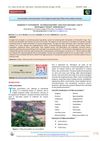
 In this study, an Emulgel containing Tridax procumbens extract was formulated and found to have promising physical properties and antimicrobial activity for wound healing.
52 citations
,
April 2008 in “Therapeutics and clinical risk management” This review covers the use of combined oral contraceptives, particularly drospirenone, for managing polycystic ovary syndrome and discusses related metabolic controversies without reporting new clinical results.
 April 2018 in “Journal of Investigative Dermatology”
 This study found that kaempferol increased the proliferation potential of basal epidermal cells in three-dimensional skin models by enhancing integrin expression and altering cell morphology.
4 citations
,
July 2024 in “Journal of Reproduction & Infertility” This study concluded that fenugreek improved lipid profiles in women with PCOS compared to metformin, but cannot substitute metformin for PCOS treatment; it may serve as an adjuvant therapy for those with hyperlipidemia.
 75 citations
,
November 2009 in “Gynecological Endocrinology”
75 citations
,
November 2009 in “Gynecological Endocrinology” This study found that both myo-inositol and metformin helped restore normal menstrual cycles in patients with PCOS, but myo-inositol appeared to be more effective in inducing pregnancy.
 64 citations
,
June 2020 in “PLoS ONE”
64 citations
,
June 2020 in “PLoS ONE” This study found that red light exposure significantly enhanced the growth, phytochemical content, and therapeutic potential of Eclipta alba callus cultures compared to other multispectral light exposures.
 2 citations
,
January 2021 in “Journal of Cosmetics, Dermatological Sciences and Applications”
2 citations
,
January 2021 in “Journal of Cosmetics, Dermatological Sciences and Applications” In this study, phenol-enriched olive mill wastewater extract positively influenced hair growth in vitro by promoting human dermal papilla cell proliferation, increasing insulin-like growth factor-1 secretion, and reducing reactive oxygen species, suggesting it may be beneficial for hair care.
 1 citations
,
January 2022
1 citations
,
January 2022 This study reported that a combination of Myo-inositol and D-chiro-Inositol improved clinical and laboratory parameters in teenage girls with PCOS compared to a placebo.
142 citations
,
November 2009 in “BMC Complementary and Alternative Medicine” This study supports the traditional use of T. procumbens for diabetes treatment, showing improvements in body weight and glucose tolerance with no toxicity signs in normal rats.
 March 2025 in “Advanced Materials”
 This study developed a novel hydrogel dressing, QL@MAB, which facilitates accelerated healing of infected diabetic wounds in rats by offering prolonged drug release, water retention, and adaptive drug delivery in response to high glucose levels in the wound environment.
 53 citations
,
September 2014 in “Reproductive Biology and Endocrinology”
53 citations
,
September 2014 in “Reproductive Biology and Endocrinology” This study observed that among women with polycystic ovary syndrome, those with the most severe phenotype showed the highest levels of metabolic disturbances, indicating the need for metabolic screening in these cases.
18 citations
,
October 2020 in “Journal of Pharmacology and Experimental Therapeutics” In isolated rat lymph vessels, this study found that ATP-sensitive potassium channel openers impair lymph contractions and reduce lymph flow, potentially contributing to peripheral edema.