September 2026 in “Angewandte Chemie” In this research, SEU-302, a newly developed covalent organic framework, exhibited significant antibacterial and wound-healing properties in vitro and in vivo, effectively eliminating Staphylococcus aureus and reducing inflammation under light activation, thereby showcasing its potential for therapeutic photodynamic applications.
December 2016 in “The journal of investigative dermatology/Journal of investigative dermatology” This study revealed that Patched receptors establish a Hedgehog signaling gradient in developing hair follicles, which may influence their formation and potentially offer a diagnostic tool for distinguishing Hedgehog-driven tumors.
13 citations
,
May 2017 in “Current Protocols in Stem Cell Biology” This study outlines a method to isolate hair follicle stem cells from mouse skin using fluorescence activated cell-sorting for use in research models, but reports no experimental findings.
2 citations
,
January 2010 in “PubMed” This case report observed no hair regrowth after treating a woman with postmenopausal frontal fibrosing alopecia using systemic and local corticosteroids, suggesting the need for more innovative therapies.
56 citations
,
February 2013 in “International Journal of Molecular Medicine” This study found that human hair follicle-derived mesenchymal stem cells maintained their proliferation and differentiation potential when cultured with acidic fibroblast growth factor, basic fibroblast growth factor, or epidermal growth factor.
 April 2017 in “Journal of Investigative Dermatology”
 This study found that fisetin, a dietary flavonoid, significantly improved psoriasiform skin lesions in mice by promoting cell differentiation, inhibiting proliferation, and modulating inflammatory responses.
 August 2026 in “Zenodo (CERN European Organization for Nuclear Research)”
 This record provides supplementary materials for a theoretical model suggesting that animal-based diets may support hair follicle stability through various biological mechanisms, including regenerative peptides and anti-glycation protection.
2 citations
,
June 2018 in “International Journal of Pharmacological Research” This article reviews treatments for progeria, including aspirin, hydrotherapy, and farnesyl transferase inhibitors, but reports no new clinical results.
7 citations
,
March 2017 in “Experimental and Therapeutic Medicine” This study found that human hair follicle-derived mesenchymal stem cells effectively maintained human embryonic stem cells in an undifferentiated state, comparable to mouse embryonic fibroblasts under standard conditions.
 2 citations
,
June 2011 in “Expert Review of Dermatology”
2 citations
,
June 2011 in “Expert Review of Dermatology” This review discusses the characteristics and management options for female pattern hair loss, highlighting the unclear role of androgens and the psychosocial impact, and reports no new clinical results.
 May 2026 in “International Journal of Drug Delivery Technology”
 This case study highlights Erythromelanosis follicularis faciei et colli as an easily overlooked pigmentary disorder characterized by a distinctive triad requiring precise diagnosis for effective patient counseling and cosmetic management.
 12 citations
,
January 2015 in “Indian Journal of Dermatology, Venereology and Leprology”
12 citations
,
January 2015 in “Indian Journal of Dermatology, Venereology and Leprology” This case report describes a 67-year-old woman with frontal fibrosing alopecia and her daughter with lichen planopilaris, noting identical HLA D types which suggest a phenotypical link between these conditions.
 21 citations
,
March 2019 in “Experimental Dermatology”
21 citations
,
March 2019 in “Experimental Dermatology” This review discusses the role of perifollicular macrophages in hair growth and suggests targeting them could be relevant for managing hair growth disorders, but reports no new results.
 August 2025 in “Advanced Science”
 In this study, corrected data confirmed that AHFS seed microspheres exhibit good biocompatibility with fibroblasts, validating the initial results.
 6 citations
,
May 2021 in “Stem Cell Reviews and Reports”
6 citations
,
May 2021 in “Stem Cell Reviews and Reports” This study identified and characterized progenitor cells from equine feet that may play a role in the pathogenesis and recovery of laminitis, suggesting potential therapeutic targets for treatment.
1 citations
,
March 2022 in “Journal of biological chemistry/The Journal of biological chemistry” This study found that HIF-P4H-2 function in FoxD1-lineage cells is crucial for normal hair follicle development and homeostasis in mice, implicating disrupted HIF, TGF-β, and Notch signaling pathways in associated defects.
3 citations
,
February 2022 in “Journal of Dermatological Science” This study identified clinical features and genetic variants associated with early onset female pattern hair loss, highlighting decreased hair shaft density and specific SNPs related to androgenic features.
December 2024 in “Signal Transduction and Targeted Therapy” In this study published in Nature, researchers explored how hair follicle stem cells manage apoptotic cell clearance while maintaining their regenerative roles, identifying significant molecules involved in sensing and engulfing dying cells to sustain tissue health.
 37 citations
,
April 2017 in “npj Regenerative Medicine”
37 citations
,
April 2017 in “npj Regenerative Medicine” This study found that platelet-derived growth factor signaling is crucial for maintaining the hair follicle dermal stem cell pool and supporting their regenerative capacity.
 November 2022 in “The journal of investigative dermatology/Journal of investigative dermatology”
 This study generated a transcriptomic map of human hair follicles, identifying compartment-specific gene expression profiles that can aid in developing targeted therapies for hair follicle disorders.
 115 citations
,
March 2019 in “Nature Communications”
115 citations
,
March 2019 in “Nature Communications” This study identified significant genetic associations with frontal fibrosing alopecia at four genomic loci, suggesting it is a genetically predisposed immuno-inflammatory disorder influenced by the HLA-B*07: 02 allele.
 33 citations
,
January 2015 in “Journal of Cosmetic Dermatology”
33 citations
,
January 2015 in “Journal of Cosmetic Dermatology” This study reports that familial frontal fibrosing alopecia was diagnosed earlier in premenopausal women compared to postmenopausal women, though long-term outcomes remain uncertain without a definitive treatment.
August 2019 in “Journal of the American Academy of Dermatology” Frontal fibrosing alopecia may be caused by an autoimmune reaction and hormonal imbalance.
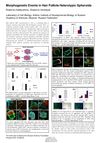
This study found that hyaluronic acid increased the size of hair follicle germ-like aggregates and the number of proliferative cells but did not maintain specific markers during the process.
 316 citations
,
June 2004 in “The journal of investigative dermatology/Journal of investigative dermatology”
316 citations
,
June 2004 in “The journal of investigative dermatology/Journal of investigative dermatology” This study found that using a standardized protocol with microspheres of approximately 1.5 micrometers enhances penetration into hair follicles, particularly when skin is treated with cyanoacrylate skin surface stripping.
 66 citations
,
April 1995 in “The journal of cell biology/The Journal of cell biology”
66 citations
,
April 1995 in “The journal of cell biology/The Journal of cell biology” In this study, researchers reported that a keratinocyte growth factor-Ig fusion protein could specifically detect and localize KGFRs in epithelial tissues, suggesting a method for histochemical detection of growth factor receptors.
January 2025 in “Biochemical Pharmacology” In this study, fibroblasts treated with the small molecule peficitinib were reprogrammed into dermal papilla cell-like cells capable of inducing hair growth, offering a new strategy for hair loss treatment.
July 2020 in “DOAJ (DOAJ: Directory of Open Access Journals)” This review suggests that excessive facial photoprotection could play a role in frontal fibrosing alopecia through a disturbance in immunological balance via the aryl hydrocarbon receptor-kynurenine pathway.
 24 citations
,
May 2019 in “PLOS genetics”
24 citations
,
May 2019 in “PLOS genetics” This study reports that compound heterozygous loss-of-function mutations in the HEPHL1 gene in a child were associated with abnormal hair and cognitive issues, linking altered ferroxidase activity to hair disorders.
This study found that FGF5 alternative spliceosomes inhibit dermal papilla cell proliferation and regulate hair follicle growth-related gene expression, impacting hair follicle development in rabbits.